
Madagascar’s culture is a complex synthesis of Austronesian and Bantu African traditions. For the intellectually curious traveller, the journalist, academic or ethnographer at heart, this journey moves beyond observation into direct engagement. It is an exploration of the island’s intricate spiritual and social customs, from ancestral communion to the formal art of public discourse, planned with profound respect and logistical precision.
- Best for
- Solo travellers · Couples · Researchers
- Duration
- 14 to 28 days
- Best time to go
- April to November
- Difficulty
- Moderate
Highlights
- Witnessing a Famadihana ceremony in the Highlands
- Attending a Hira Gasy performance of song, dance and oratory
- Observing the Betsileo rite of passage, the Savika bull-wrestling
- Understanding the role of the Tromba possession ritual
- Consulting with a Mpanandro, a traditional diviner-astrologer
Ready to
plan this experience?
Every holiday is tailor-made to your dates, pace and interests.
Enquire nowLooking for
travel inspiration?
Discover our thoughtfully designed holidays, created to showcase the very best of Madagascar.
View suggested holidaysExperiences picked by our specialists
Engage with the island's ancestral rites, oratory arts and community rituals.
Journeys for this experience
Starting points, never fixed programmes: we adapt every journey to your dates and your pace.
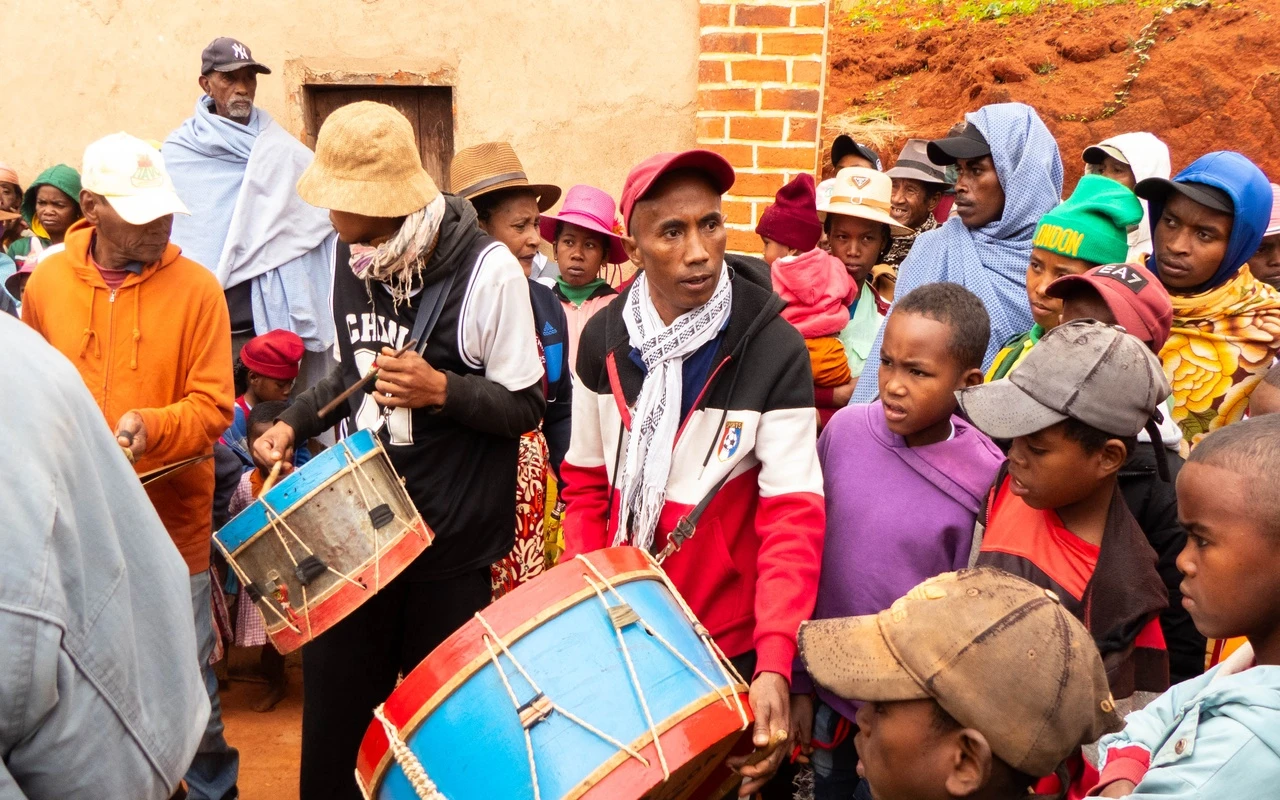 4 days
The Famadihana: A Cultural Immersion in the Highlands
An intimate four-day immersion into the Highland tradition of Famadihana, the 'turning…
 14 days
Elegance and Tradition in the Malagasy Highlands
A journey into the cultural heart of Madagascar, exploring the ancestral traditions…
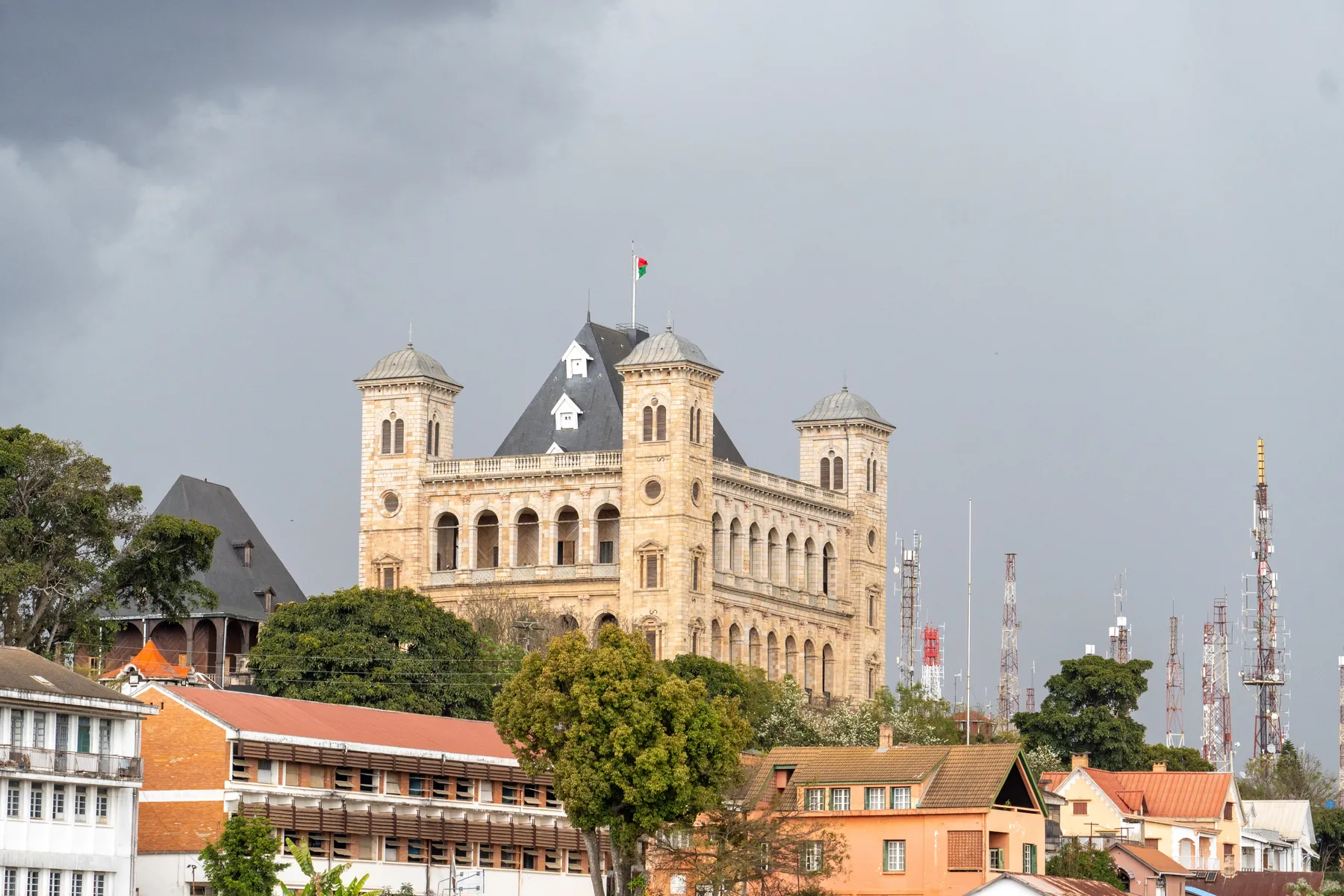 1 day
Antananarivo: In the Footsteps of Merina Royalty
A one-day immersion into the royal history of the Merina Kingdom, from…
Plan your journey
Our specialists in Madagascar design every journey privately, around your dates and your pace.
Make an enquiryWhen to go
April to November
Best time for this experience
Best time to visit Madagascar →Frequently asked questions
Permission is paramount. With a guide to navigate the specific protocols of each event and community, photography is often possible. The key is to be discreet, respectful and always to ask before documenting individuals. Flash photography is generally prohibited.
Access is granted through long-standing relationships with local communities, elders and families. We facilitate this by making the proper introductions and ensuring our clients understand their role as respectful observers. This often involves the presentation of symbolic gifts, which your guide will arrange.
A high degree of flexibility is essential. The timing of a Famadihana or other ceremonies is determined by the community and its spiritual leaders (Mpanandro), often with little advance notice. An itinerary for this type of travel is a framework, and the most profound experiences often happen spontaneously.
Your guide is a cultural interpreter, not just a logistical co-ordinator. They provide context, translate interactions and ensure you understand the nuances of the events you witness. They will brief you on proper etiquette and help you to navigate complex social and spiritual situations with the required deference.