The Living Traditions of Madagascar
Culture & Heritage

The Living Traditions of Madagascar

Engage with the island's ancestral rites, oratory arts, and community rituals.

Madagascar’s culture is a complex synthesis of Austronesian and Bantu African traditions. For the intellectually curious traveler, be it the journalist, academic, or ethnographer at heart, this journey moves beyond observation into direct engagement. It is an exploration of the island’s intricate spiritual and social customs, from ancestral communion to the formal art of public discourse, planned with profound respect and logistical precision.

Highlights

  • Witnessing a Famadihana ceremony in the Highlands
  • Attending a Hira Gasy performance of song, dance, and oratory
  • Observing the Betsileo rite of passage, the Savika bull-wrestling
  • Understanding the role of the Tromba possession ritual
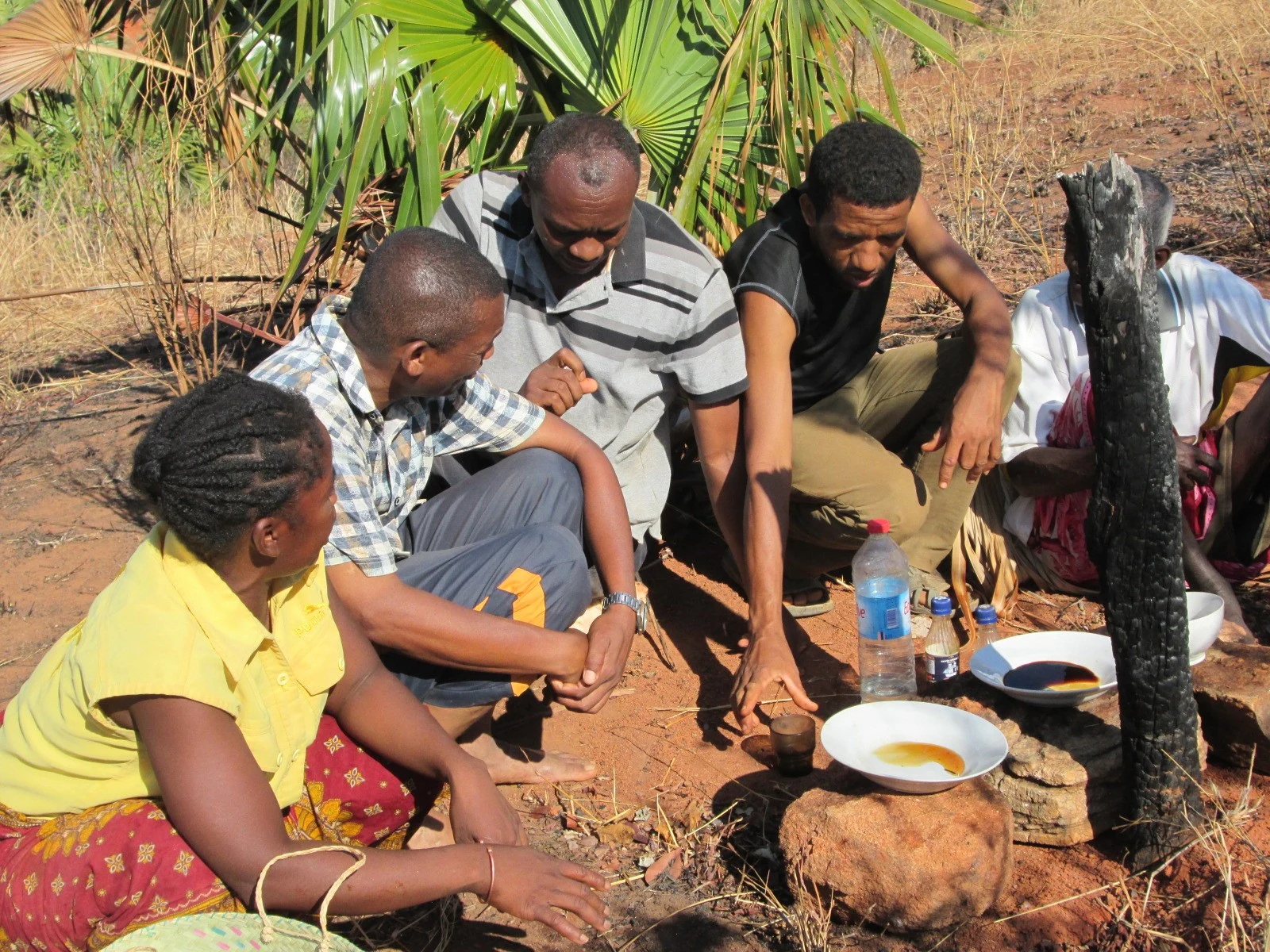
  • Consulting with a Mpanandro, a traditional diviner-astrologer

Looking to
plan this experience?

Every itinerary is tailor-made around your dates, pace and interests.

Ask for a Quote

Looking for
Travel Ideas?

Discover carefully designed itineraries that showcase the very best of Madagascar.

Explore Suggested Trips
Want to explore
more?

Discover more experiences across Madagascar.

Browse experiences
The Living Traditions of Madagascar
1 / 4

Ancestral Rites: Famadihana and Tromba

The spiritual life of Madagascar is deeply connected to its ancestors. This is most evident in Famadihana, the “turning of the bones,” a ceremony practiced primarily by the Merina and Betsileo peoples of the Highlands. Far from a somber affair, it is a joyous celebration where family tombs are opened, the remains of ancestors are exhumed, cleaned, and wrapped in new silk shrouds, then carried aloft and danced with before being returned to the tomb. The timing of Famadihana is not fixed; it is determined by a Mpanandro (diviner-astrologer) after a family member dreams of an ancestor. Equally significant is the Tromba possession ritual, where the spirit of a deceased king or powerful ancestor enters a living medium. Through the medium, the spirit offers counsel, settles disputes, and maintains its influence over the community. These are not performances, but deeply integrated social and spiritual events.

The Art of Oratory: Kabary and Hira Gasy

Discourse in Madagascar is an art form. The Kabary, recognized by UNESCO as Intangible Cultural Heritage, is a highly structured and poetic public speech rich with proverbs (ohabolana), metaphors, and wordplay. Traditionally used by leaders for civic announcements, it now permeates all significant social events, from weddings to funerals. Hira Gasy is its theatrical counterpart, an outdoor spectacle combining music, dance, and oratory to impart moral lessons on themes of love, labor, and social cohesion. Performed by rival troupes, these operatic productions are a vibrant expression of Highlands culture and a forum for public debate and education.

Community Rituals: Savika and Ody

The bond between humans and zebu cattle is central to Malagasy life, a relationship demonstrated in the Savika. Practiced by the Betsileo, this rite of passage involves young men wrestling a zebu bull with their bare hands. It is a test of courage and strength, performed to impress peers and elders, often during festivals or ceremonies. The animal is subdued, not harmed, underscoring its value. On a more personal level, belief systems are manifested through Ody and Sampy. Ody are personal charms or amulets, made from wood, beads, or animal parts, designed to provide protection, ensure fertility, or bring prosperity. When an amulet serves an entire clan or community, it is known as a Sampy, a collective talisman of significant power.

Planning for Authenticity

Engaging with these cultural practices requires expertise, flexibility, and discretion. The dates of a Famadihana are set by familial and astrological needs, not by a traveler's itinerary. Witnessing a Tromba ceremony may require a formal request for an audience with the spirits. Our role is to navigate these complexities. We work through established local relationships to gain access respectfully, ensure your presence is appropriate, and facilitate genuine interaction that is mindful of the community's protocols and traditions. This approach allows for authentic encounters, but requires a traveler's willingness to adapt to a schedule dictated by culture, not a calendar.

Frequently asked questions

Am I allowed to photograph these ceremonies?

Permission is paramount. With a guide to navigate the specific protocols of each event and community, photography is often possible. The key is to be discreet, respectful, and always ask before documenting individuals. Flash photography is generally prohibited.

How is access to these events secured?

Access is granted through long-standing relationships with local communities, elders, and families. We facilitate this by making the proper introductions and ensuring our clients understand their role as respectful observers. This often involves presenting symbolic gifts, which your guide will arrange.

What level of flexibility is required?

A high degree of flexibility is essential. The timing of a Famadihana or other ceremonies is determined by the community and spiritual leaders (Mpanandro), often with little advance notice. An itinerary for this type of travel is a framework, and the most profound experiences often happen spontaneously.

What is the role of a guide on this type of trip?

Your guide is a cultural interpreter, not just a logistical coordinator. They provide context, translate interactions, and ensure you understand the nuances of the events you witness. They will brief you on proper etiquette and help you navigate complex social and spiritual situations with the required deference.

Feel Madagascar
Through Every Moment

Start Your Experience