
Eastern Madagascar
Where the call of the indri echoes from primeval rainforests to the whale sanctuaries of the Indian Ocean.
Many arrive in Madagascar expecting a silent tableau of wildlife. The East immediately shatters this, not with sight, but with sound: the penetrating, three-kilometre call of the indri lemur. This is a region defined by its dense, humid rainforests, where the air itself feels alive and every footstep on the trail reveals another layer of endemic life, from the cryptic Parson’s chameleon to the delicate canopy orchid.
The journey from the highlands unfolds towards the coast, where the man-made Pangalanes Canals carve a placid route through villages built on water. This waterway is the preamble to the ultimate marine theatre: Île Sainte-Marie. From July to September, the channel between this slender island and the mainland transforms into the most significant humpback whale nursery in the Indian Ocean. Here, mothers teach their calves to breach against a backdrop of quiet coves and pirate lore.
This is not a region of passive observation. The East demands one’s full attention, from navigating rainforest trails by ear to feeling the vibrations of a whale breach through the hull of the boat. Eastern Madagascar is the island’s sensory core.
Best time to visit
Places to visit
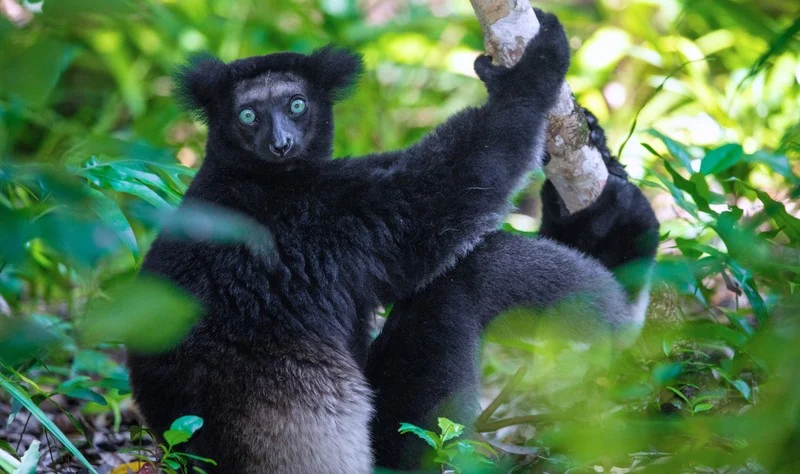
Its accessibility from the capital belies the primeval wilderness that lies within, home to the indri, the island's largest lemur. Stepping from the road into the Analamazaotra sector, the air grows heavy with humidity and the resonant calls that define Madagascar's eastern forests.
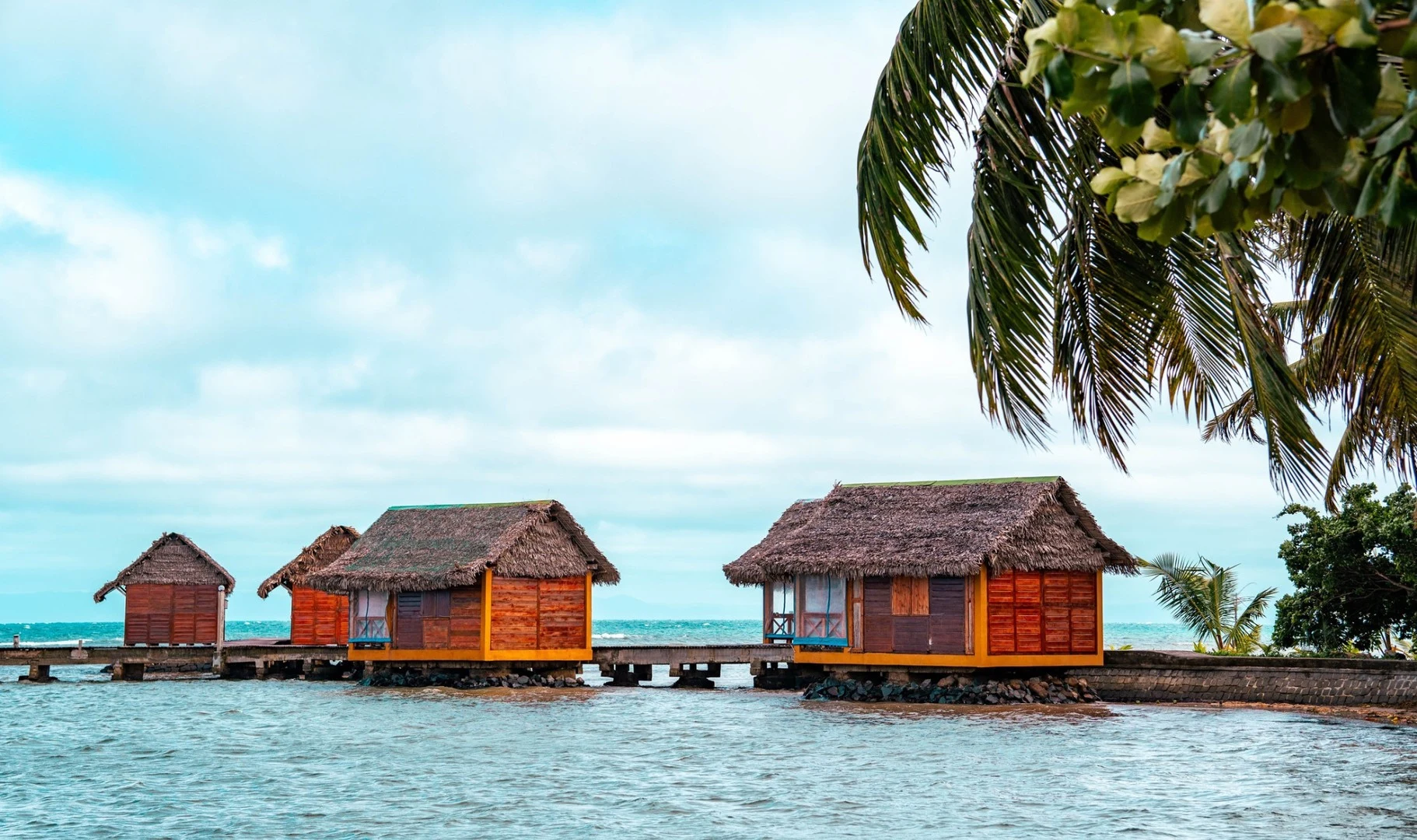
Known for its pirate lore, the island's true identity is revealed as the most critical humpback whale nursery in the Indian Ocean. From your private boat, the winter silence is broken by a colossal breach as mothers and calves enact their annual ritual.
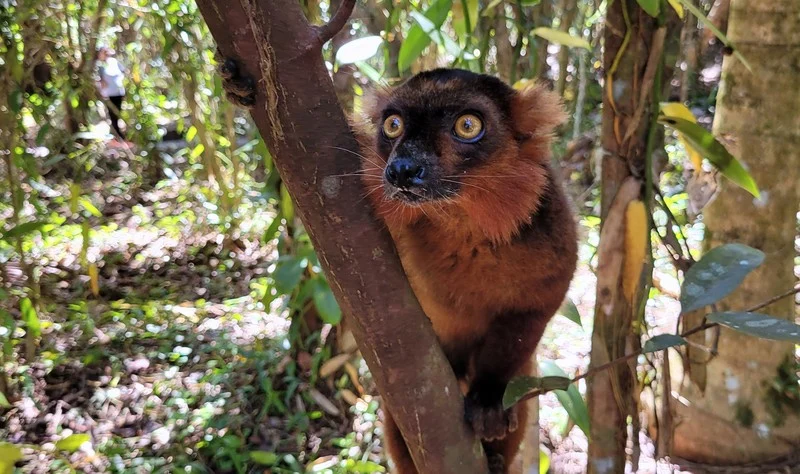
Set on the shores of the Pangalanes Canals, this is not a typical rainforest but a semi-tamed Eden for habituated lemurs and the elusive aye-aye. Arriving by boat, you enter a private peninsula where ten species of lemur move freely between the forest and the lodge.
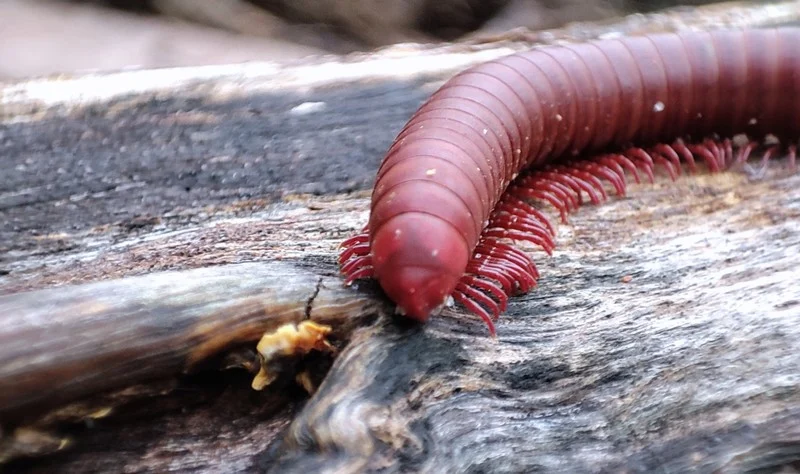
Often dismissed as a simple roadside stop, it provides an indispensable close-up study of Madagascar’s most cryptic species. Here, chameleons execute their slow-motion traverse inches from your lens, revealing camouflage and colour that would remain invisible in the wild.
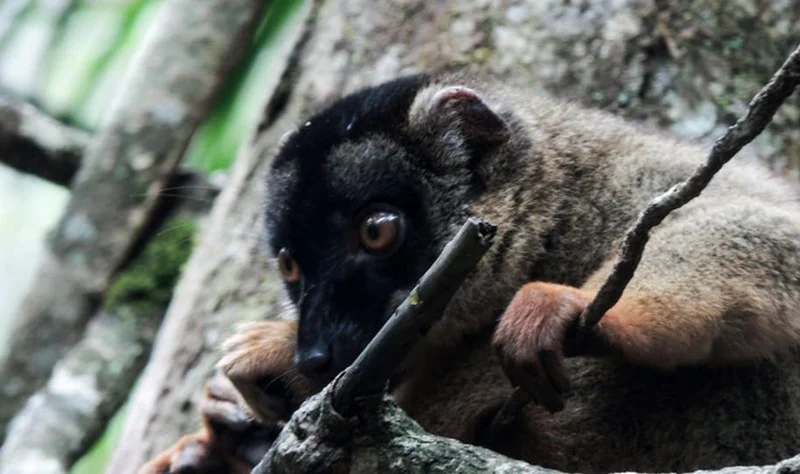
Whilst smaller than the national park it borders, this reserve offers a more intimate, less-scripted forest immersion. You follow a local guide whose family has known these trails for generations, and the benefits of your visit directly support the community.
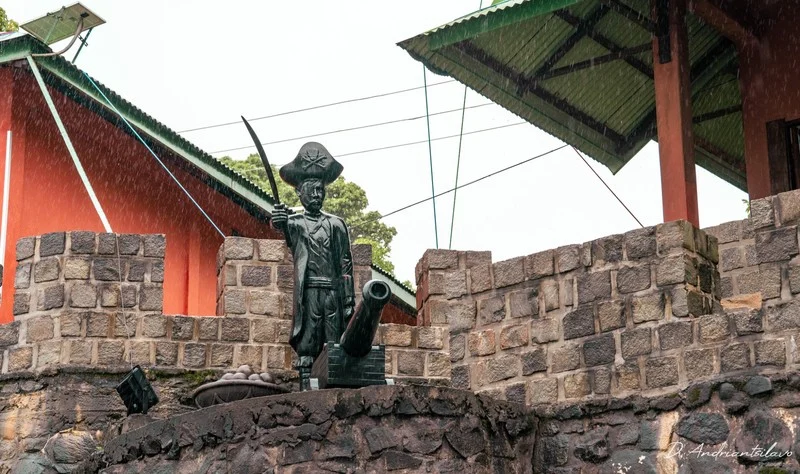
Far from a grand monument, this modest, windswept graveyard is a more potent link to the island's swashbuckling past. You trace the eroded skull and crossbones on a headstone, the Indian Ocean stretching out below, feeling a tangible connection to centuries of maritime lore.
Where to stay
 Beach Lodge
A private coastline where forest, sand, and sea converge.
 Beach Lodge
Modern lines on the sand, facing the channel of migrating whales.
 Tented Camp
Life along the river, among lemurs and sacred tamarind groves.
Frequently asked questions
The whale season in Sainte-Marie runs from late June to September, with the peak viewing period in July and August.
Activities range from gentle walks in reserves to more strenuous treks in the national parks. We tailor all excursions to your specific fitness level.
The East is a malarial zone, and preventive medication is strongly advised. We partner with lodges that uphold the highest standards of hygiene and safety.


Explore Eastern Madagascar by experience

Engage with the island's ancestral rites, oratory arts and community rituals.

An expedition into the world's highest concentration of endemic species.

Maximise every moment ashore with expertly guided, private day excursions.

Navigate the Eighth Continent with logistical precision and complete personal freedom.

A journey into the complex world of Malagasy ancestry and custom.