
The Northern Wilds
The north of Madagascar is no tropical cliché. It is a realm of elemental colour, from the liquid turquoise of the Emerald Sea to the sculpted red earth of Ankarana.
Dismissed by some as a simple beach escape, Northern Madagascar is where the very palette of nature is redefined. Arriving near Diego Suarez, the Indian Ocean sheds its familiar blues for an impossible turquoise in the Emerald Sea. This is a landscape of profound contrasts, where the cool, damp air of Amber Mountain’s volcanic rainforest lies only an hour from the sun-baked limestone needles of Ankarana.
Your days are spent in motion, not merely in observation. You will track crowned lemurs through a cathedral of stone tsingy, then navigate a private dhow to the uninhabited archipelago of Nosy Hara. The earth here is alive: from the fragile Red Tsingy that crumble and reform with the rains, to the network of sacred caves that runs for miles beneath your feet in Ankarana National Park.
Exploring the north is an exercise in recalibrating the senses. The scent of ylang-ylang from Nosy Be’s plantations follows you to the summit of Mont Passot as the sun dissolves into the Mozambique Channel. Northern Madagascar is not a destination you simply see; it is a geography of sensation you inhabit long after you depart.
Best time to visit
Places to visit
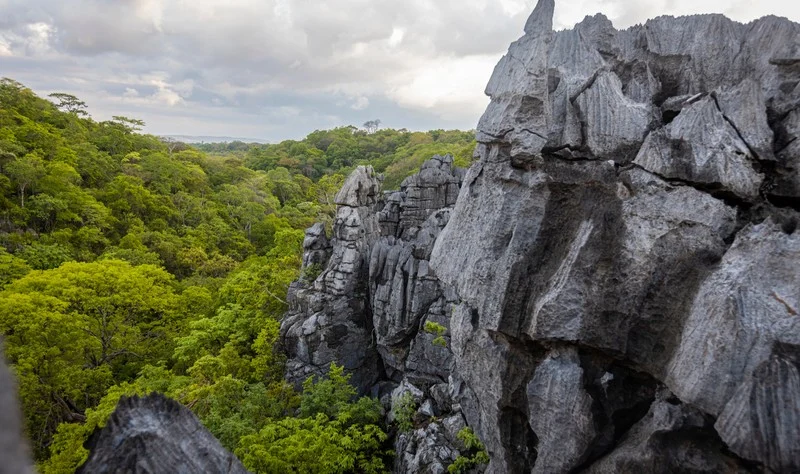
More than a landscape of stone pinnacles, Ankarana is a fortress of biodiversity with a hidden world beneath. Whilst its surface presents a dramatic defence of limestone tsingy, you can descend into a vast subterranean network of caves, once a sacred refuge for Antakarana royalty.
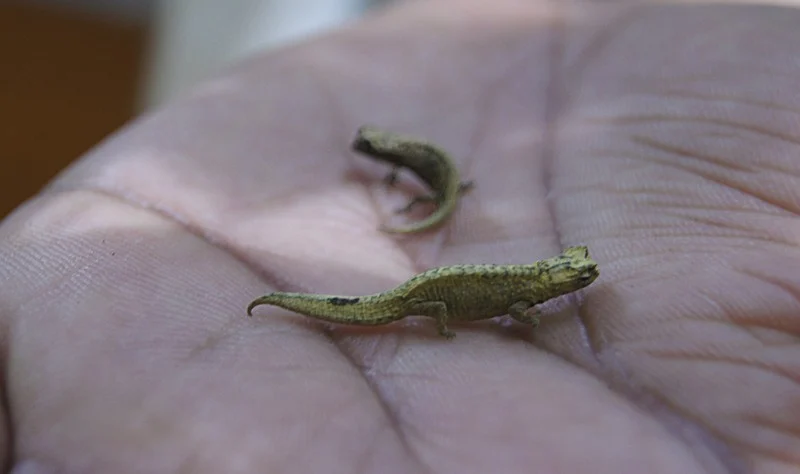
Often mistaken for just another rainforest, Amber Mountain is a high-altitude volcanic sanctuary offering a true climatic escape from the northern heat. Descending its trails, you enter a world of cool air and crater lakes, seeking out endemic chameleons such as the minute Brookesia minima.
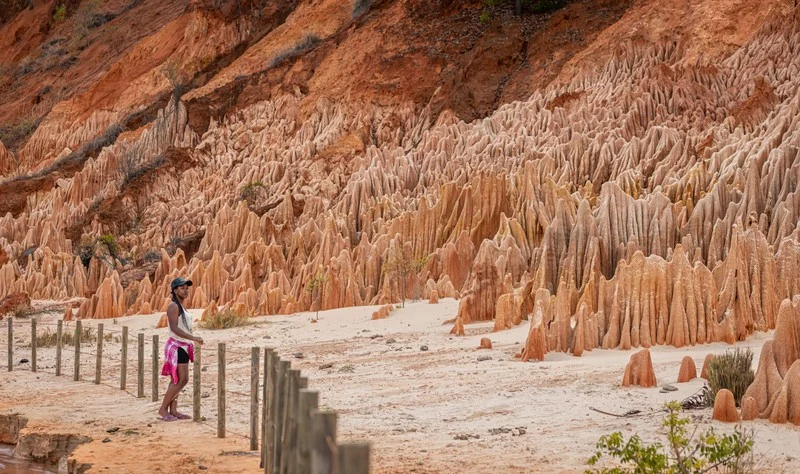
Far from the permanent grey limestone of Ankarana, the Red Tsingy are a fragile spectacle of erosion. Walking through this canyon reveals a landscape in flux, where delicate laterite spires are sculpted by wind and water, their colours shifting with the sun.
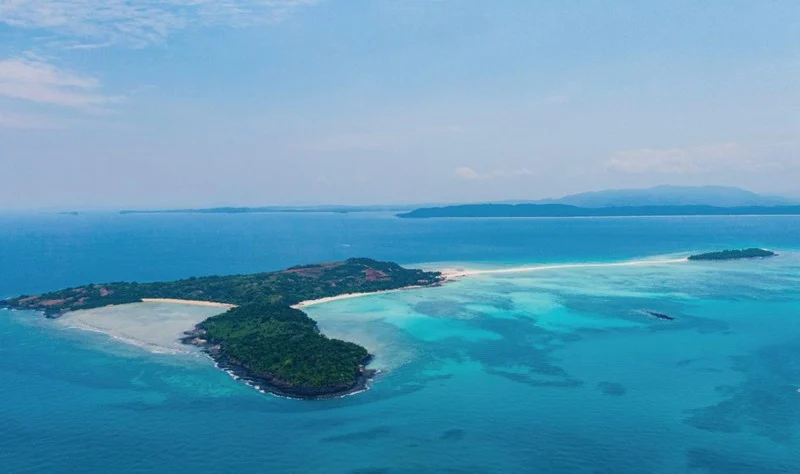
This is not one island but two; a transient geography defined by the tides. At low tide, you can walk the 1.2-kilometre sandbank connecting Nosy Iranja Be and Nosy Iranja Kely, a path that will dissolve back into the sea within hours.
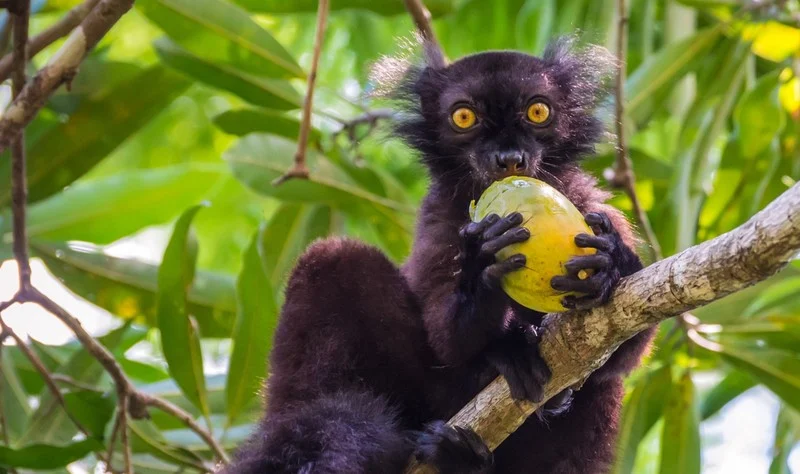
A classic pairing that contrasts two distinct worlds in a single day. On Nosy Komba, you can meet habituated black lemurs in a lush forest setting, before plunging into the protected underwater reserve of Nosy Tanikely, a world of pure marine life.
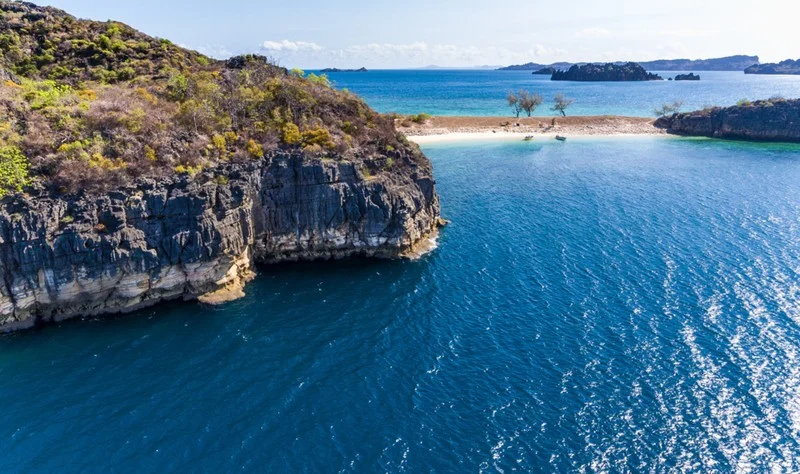
Thought to be just another island chain, this uninhabited marine park is a sanctuary of sacred royal tombs and sharp tsingy formations. It is also the exclusive domain of the world’s smallest chameleon, Brookesia micra, a creature easily hidden by a fingertip.
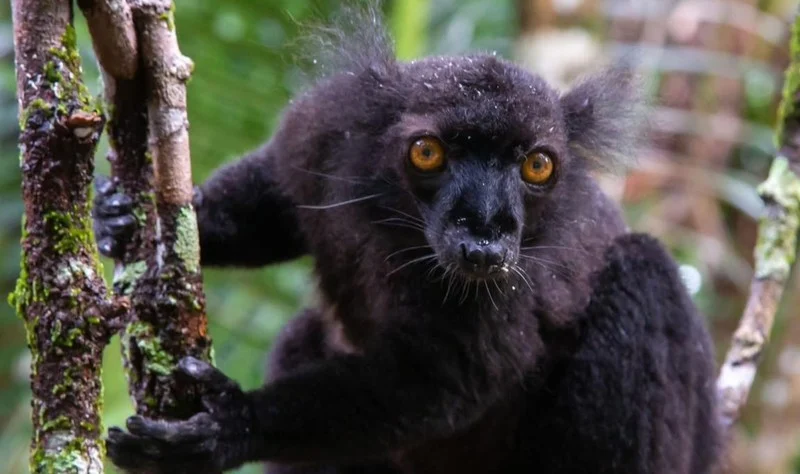
Nosy Be’s last remaining primary forest, Lokobe is less a park to be visited and more a world to be entered. Arriving by traditional pirogue, you trade the island's bustle for a silent forest floor, the domain of nocturnal lemurs and other endemic fauna.
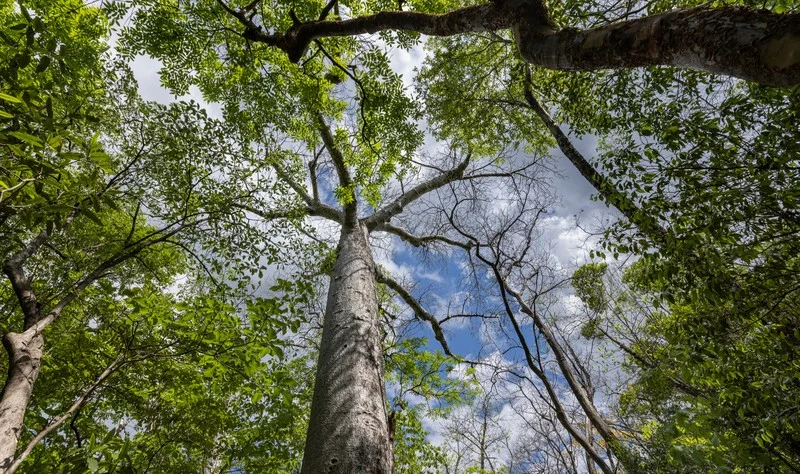
Its name hints at colonial history, but this massif overlooking Diego Suarez is a theatre of raw nature. Ascending its historic steps reveals a panorama of the bay, whilst its dry forests shelter Sanford's brown lemurs and the elusive leaf-tailed gecko.
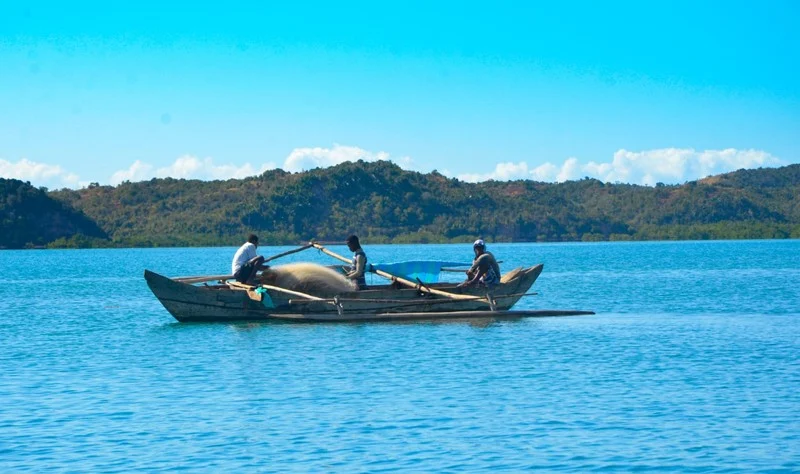
Known as the Orchid Island, its true character lies in the quiet contrast between its secluded coves and the vibrant marine life just offshore. Here, you can leave the boat behind to swim alongside green turtles as they graze on seagrass in the calm, clear water.
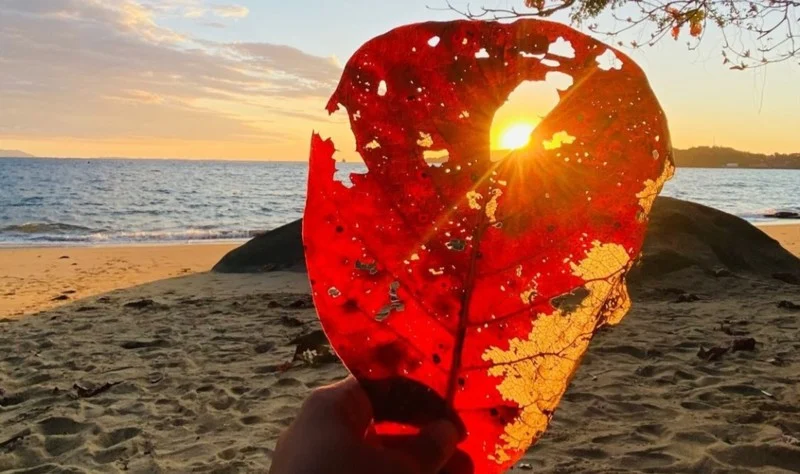
More than a viewpoint, Mont Passot is the final act of a Nosy Be immersion. The journey from the markets of Hell-Ville culminates at this volcanic peak, where the island and its sacred crater lakes spread out below as the sun sets over the Mozambique Channel.
Where to stay
 Tented Camp
Life along the river, among lemurs and sacred tamarind groves.
 Tented Camp
An expedition into the limestone labyrinth of north-western Madagascar.
 Mountain Lodge
A perspective of stone and light in the Isalo massif.
Frequently asked questions
The region is served by two main airports: Arrachart Airport in Antsiranana (Diego Suarez) and Fascene Airport in Nosy Be, with flight connections from Antananarivo.
Itineraries are built around your preferences. Treks in Ankarana and Amber Mountain range from moderate to challenging, whilst island exploration is largely relaxed.
No. Whilst home to exceptional coastlines like Nosy Iranja, the north is an expedition into raw landscapes, unique geology and rare endemic wildlife.
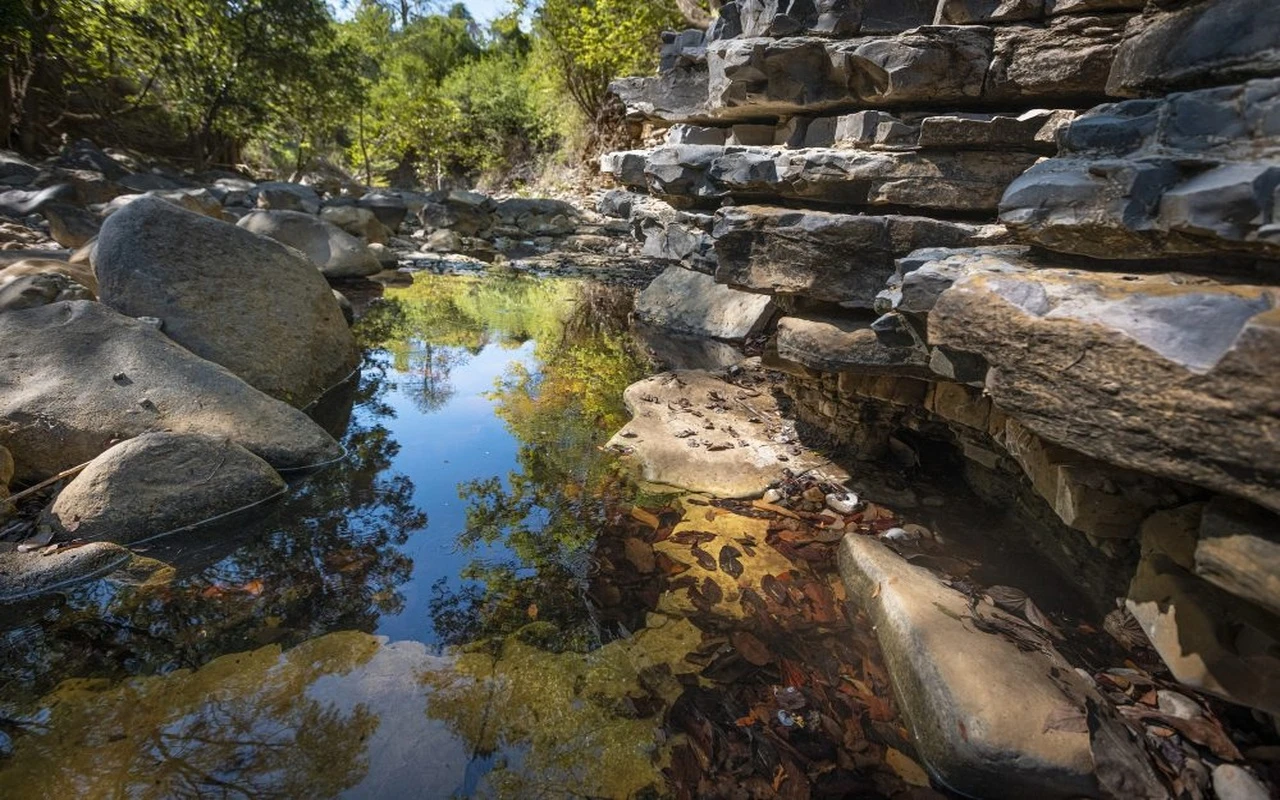


Explore The Northern Wilds by experience

Engage with the island's ancestral rites, oratory arts and community rituals.

An expedition into the world's highest concentration of endemic species.

Maximise every moment ashore with expertly guided, private day excursions.

Navigate the Eighth Continent with logistical precision and complete personal freedom.

A journey into the complex world of Malagasy ancestry and custom.