
Marojejy National Park: An Ascent into the Kingdom of Clouds
a vertical ark of cloud forest, home to the angelic silky sifaka, and one of earth's great treks
The journey begins not with a view, but with a sound: the percussive drip of water from giant fern fronds onto damp earth. Long after the four-wheel drive transfer ends at the forest’s edge, a profound quiet takes hold, the air thick and sweet with unseen blossoms. This is not a park one drives through; it is a world one must ascend on foot, where the first welcome is the intricate, layered symphony of the deep forest itself.
Marojejy National Park is a vertical sanctuary, a granite massif that rises abruptly from sea level to 2,134 metres, creating a ladder of life through four distinct climate zones. This extreme altitudinal gradient has made it a refuge for species found nowhere else, a concentration of biodiversity so significant that it is a designated core component of the Rainforests of the Atsinanana, a UNESCO World Heritage site. To enter is to accept a multi-day commitment to reaching one of the most precipitous and vital ecosystems on the planet.
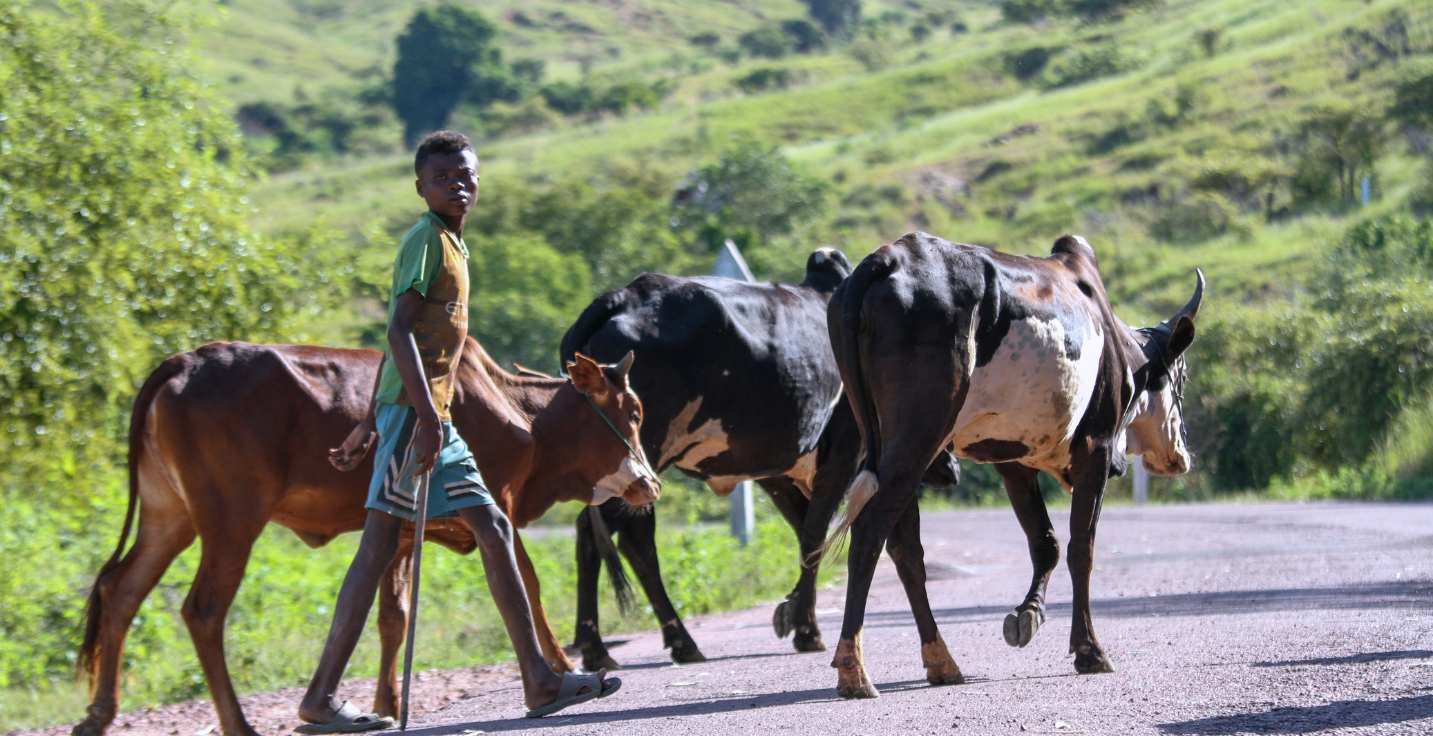
The ascent is a collaborative effort, a small expedition team of porters and a private naturalist guide whose families have lived in the shadow of this massif for generations. Their knowledge of the terrain, the weather, and the wildlife is not academic; it is ancestral. Every step of the trek is supported by this deep local connection, transforming a challenging trek into a meaningful immersion in both the landscape and its human context.
The intricate logistics of a Marojejy expedition, from charter flights to expedition outfitting, demand considerable advance planning.
Why Visit
- Trek through four distinct ecosystems, from lowland jungle to alpine scrub
- Search for the critically endangered Silky Sifaka—the angelic white lemur
- Summit a 2,134-metre peak for views above a literal sea of clouds
- Part of the Rainforests of the Atsinanana UNESCO World Heritage site
- A true expeditionary trek with porters, far from any tourist crowds
- Access requires flights to Sambava, ensuring genuine remoteness
Explore in Detail
Landscape & Geography
+The Experience
+When to Go & Access
The optimum trekking seasons are the drier, cooler shoulder months: April to May and September to October. During this time, the paths are less muddy, rainfall is less persistent, and the skies are generally clearer, offering better chances for summit views. Access is a significant logistical undertaking. It requires a flight (charter or scheduled) into the northeastern town of Sambava (SVB), followed by a private four-wheel drive transfer of several hours to the park entrance at Manantenina. The remoteness of the Sava region is a core part of its untamed character, but it means all travel arrangements must be made well in advance.
Conservation & Community
+Wildlife to Encounter
Frequently Asked Questions
The trek is strenuous. It involves multiple days of steep, continuous climbing on uneven, often muddy paths. An excellent level of hiking fitness and strong cardiovascular health are essential for anyone wishing to attempt the summit.
The ideal times are the drier, cooler months of April–May and September–October. These windows offer the best path conditions and a greater probability of clear skies for summit views, avoiding the heavy rains of the wet season.
A minimum of three days and two nights on the trail is necessary to gain a true sense of the park. A more complete expedition to the summit and back requires four to five days, allowing for proper pacing and acclimatisation.
Accommodation consists of basic but functional tented camps with simple mattress bedding. A dedicated camp crew handles all setup, cooking, and logistics, but this is a rustic expedition, not a lodge-based stay.
Sightings are a primary goal of any Marojejy trek but are never guaranteed. These are critically endangered wild animals. Success depends on weather, path conditions, group silence, and the skill of your local guide.
Access begins with a flight from Antananarivo to Sambava (SVB) in northeastern Madagascar. From Sambava, it is a transfer of several hours by private four-wheel drive vehicle to the park entrance, a journey that must be arranged well in advance.


Private Expeditions
Ready to experience the wild?
Every journey is tailor-made by our Madagascar specialists — seamless, private, and unforgettable.