
Remote Expeditions: The Makay, Masoala & Marojejy
Venture beyond the map into landscapes few outsiders have ever crossed on foot.
The map shows a contour line without a path. Here, in the sandstone labyrinth of the Makay Massif or the vertical forests of Marojejy, exploration is not about following a path—it is about creating one. These journeys cross territories of scientific and exploratory interest, measured in days of trekking and pirogue travel, not hours. Fewer than one per cent of travellers to Madagascar ever venture into these regions, which remain largely undocumented by tourism and require expedition-level logistics.
An expedition of this nature is a serious logistical undertaking. Vivy Travel does not operate these trips; we coordinate the complex elements required to make them possible. This involves securing permits, assembling a team of specialist guides with proven route-finding skills, and organising supply chains for multi-day camps in areas with no infrastructure. Itineraries are frameworks, not fixed schedules. We facilitate these journeys for travellers who understand that the objective is not to conquer a destination, but to gain a direct understanding of Madagascar at its most elemental.
Highlights
- Traverse the sandstone canyons of the Makay on foot
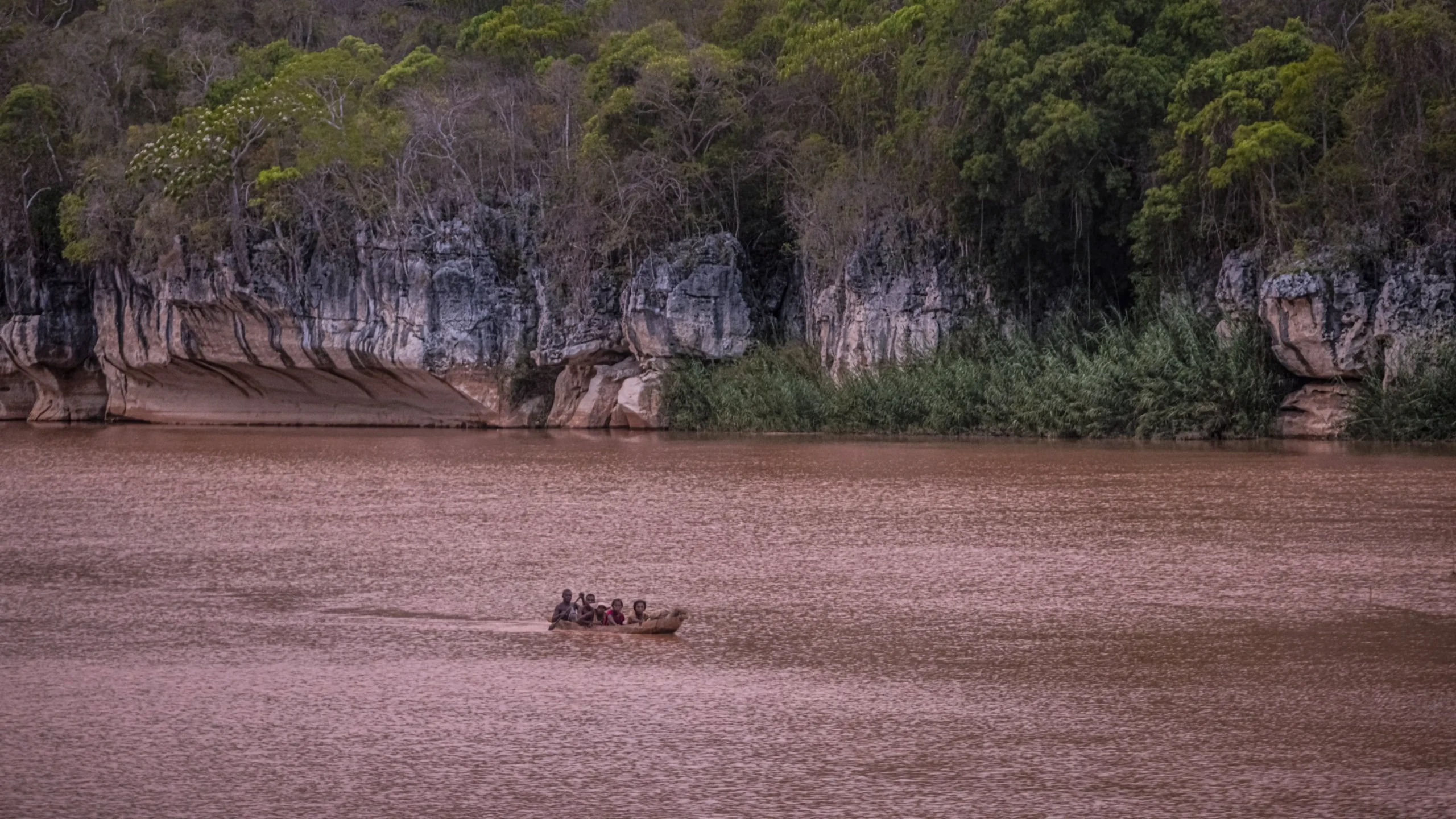
- Navigate coastal rivers by traditional pirogue to access the Masoala Peninsula
- Ascend through the cloud forests of Marojejy, a vertical world of endemic life
- Experience the landscape through the eyes of expedition guides, not tour leaders
- Camp in self-sufficient bivouacs far from any settlement
Ready to
plan this experience?
Every itinerary is tailor-made around your dates, pace and interests.
Request a QuoteLooking for
travel inspiration?
Discover carefully designed itineraries that showcase the very best of Madagascar.
Explore Suggested ItinerariesFrequently asked questions
You must be capable of trekking for six to eight hours a day over uneven, unmarked terrain with significant elevation changes, whilst carrying a daypack.
Accommodation is in lightweight expedition tents. There are no permanent facilities; camps are self-sufficient and follow leave-no-trace principles.
For safety reasons, all expeditions require a minimum group size and are always led by a specialist guide and support team. We do not arrange solo, unsupported treks.
Routes are planned based on expedition goals, current conditions, and guide expertise. Flexibility is essential, as itineraries can change due to weather or terrain.
Where to experience this
Best season: April to November

Best season: April to November

Best season: April to November