Mananara-Nord National Park: Where Coastal Rainforest Meets the Sea
a rare continuum from coastal rainforest to coral atoll, home to the aye-aye and humpback whale
The day begins not with a clock, but with the current. On the Mananara River, the water is the colour of smoked tea, sliding silently between banks of dense, humid forest heavy with the scent of wet earth and salt. It is one of the few places in Madagascar where the terrestrial and marine worlds are not just adjacent, but in constant dialogue, a conversation carried on the tide. This is a landscape measured in river bends, not kilometres.
The Mananara-Nord National Park, a core part of a vast UNESCO Biosphere Reserve established in 1990, protects this exact continuum. Here, the same protected area that shelters the nocturnal aye-aye in its canopy also serves as a calving ground for humpback whales in the adjacent Bay of Antongil. This seamless transition from primary coastal forest to thriving coral reef within a single protected zone is what makes the reserve ecologically vital.
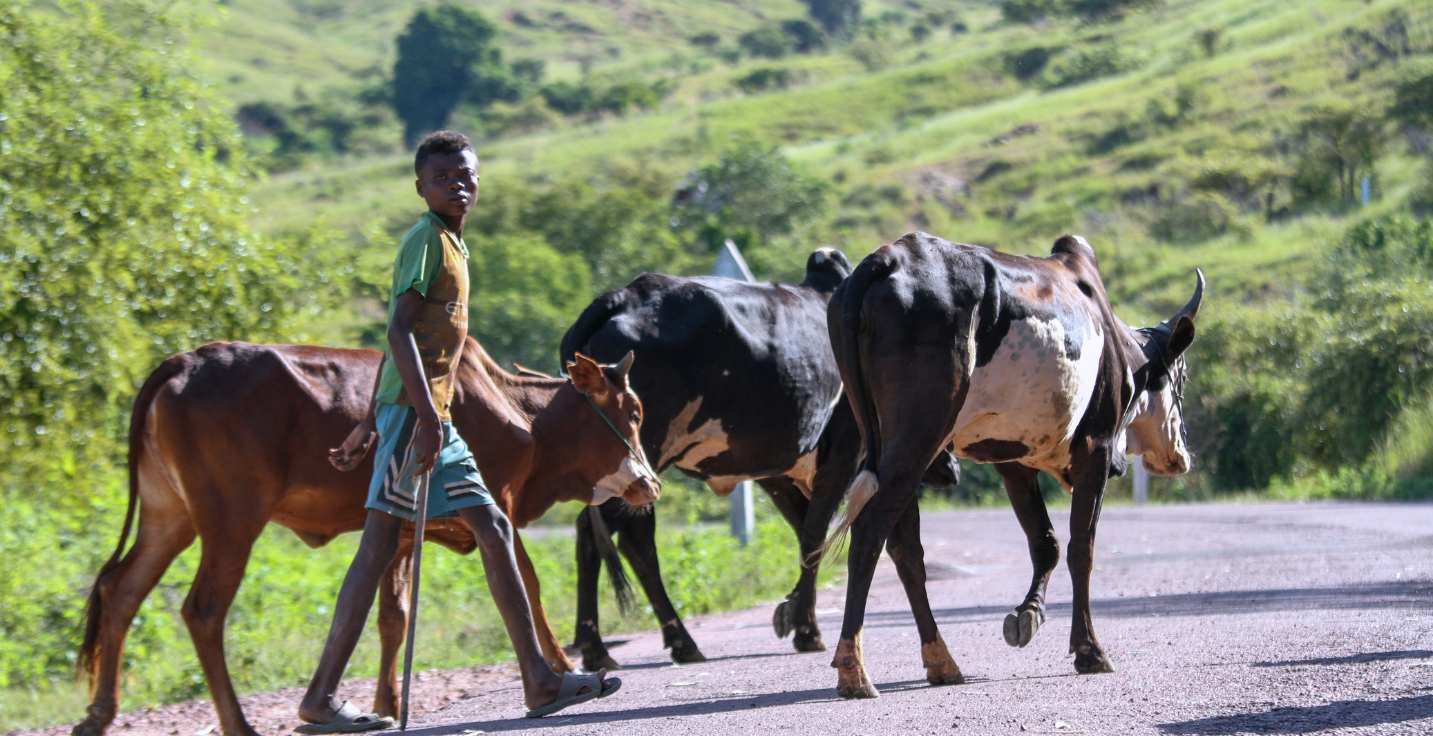
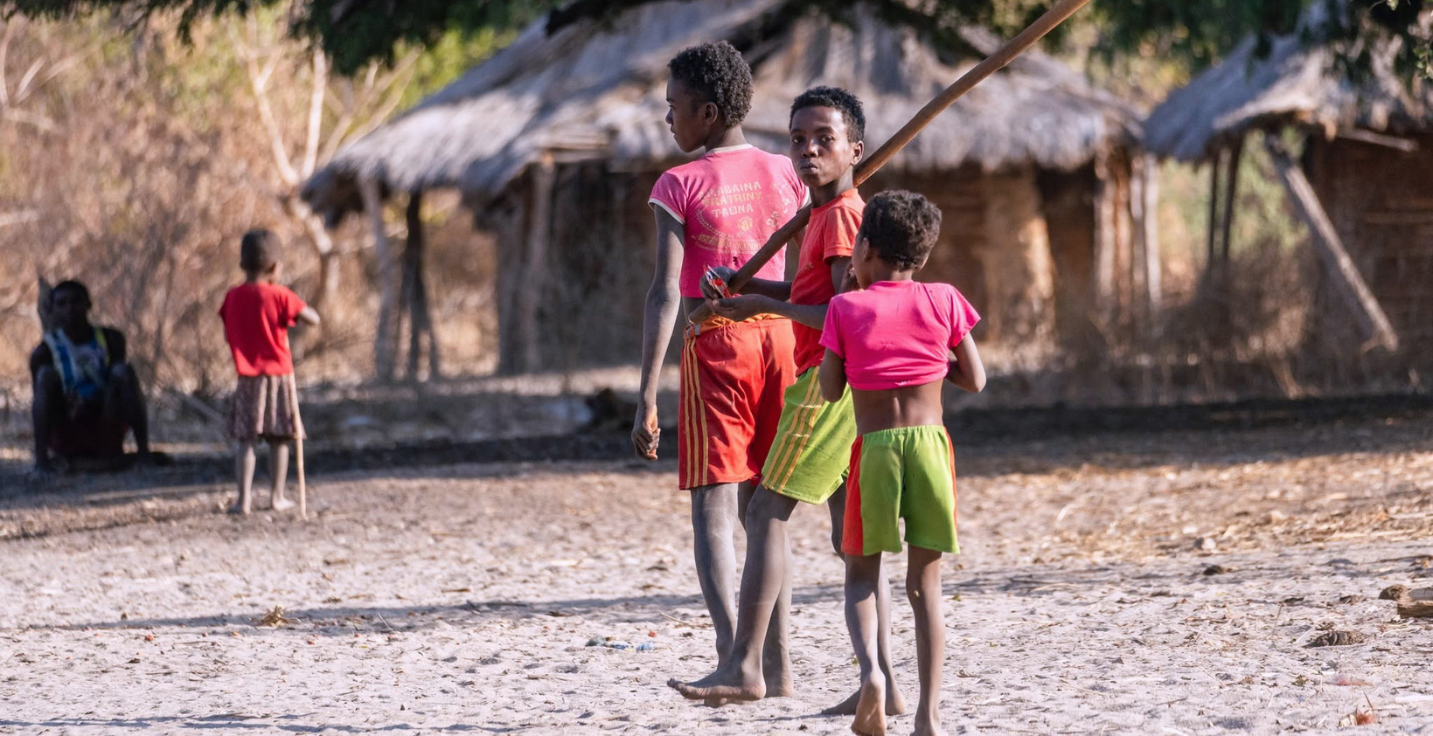
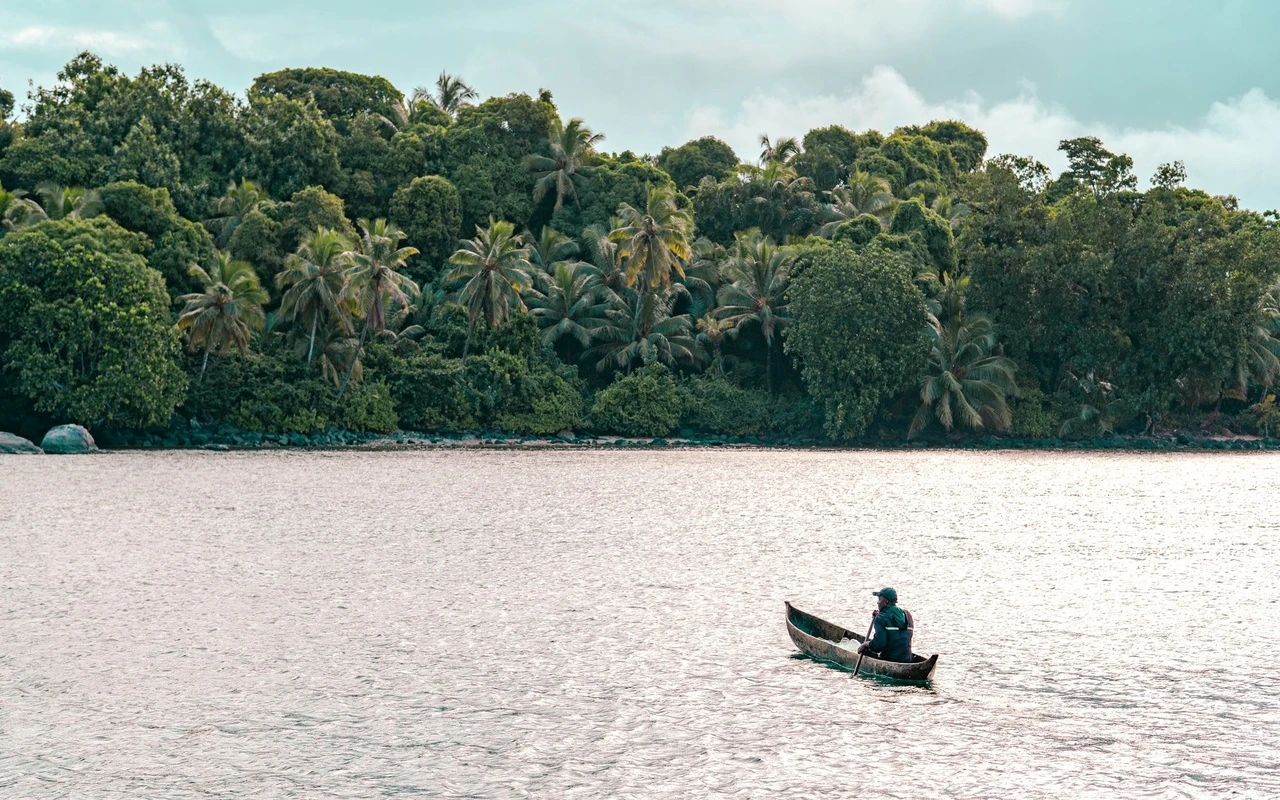
This is not a wilderness sealed off from humanity. The park’s integrity relies on a living partnership with the Betsimisaraka communities, whose lives are governed by the river’s flow and the health of the coastal fishery it supports. Their pirogues are as much a part of the ecosystem as the lemurs in the trees, a reminder of a deep, ancestral connection to the water.
Access logistics here reward advance planning: the reliance on charter flights and boat transfers means the timing of arrival shapes everything that follows.
Why Visit
- See aye-aye and humpback whales within a single biosphere reserve
- Explore coastal rainforest via traditional hand-hewn pirogue
- Snorkel pristine coral gardens at the uninhabited Nosy Antafana islets
- Track the indri, Madagascar’s largest lemur, in dense coastal forest
- Accessible only by charter flight and boat — a genuinely remote frontier
- A UNESCO Biosphere Reserve protecting a rare forest-to-reef ecosystem
Explore in Detail
Landscape & Geography
+When to Go & Access
The ideal window is the dry season from April to October, offering the most stable weather for forest and marine activities. For whale watching, plan your visit between July and September when humpbacks arrive in the Bay of Antongil to calve. Reaching Mananara-Nord is an expedition in itself, typically requiring a private charter flight to the town of Mananara, followed by co-ordinated 4x4 and boat transfers into the park. The logistical complexity is a defining feature, ensuring the reserve remains far from any standard tourist circuit.
The Experience
+Conservation & Community
+Wildlife to Encounter
Frequently Asked Questions
Access is exclusively through a multi-stage transfer. It begins with a charter flight to the airstrip in Mananara town, followed by a pre-arranged 4x4 vehicle and finally a boat transfer along the river or coast to reach the park's core areas.
A minimum of three to four nights is essential to justify the complex travel and to experience both the terrestrial and marine ecosystems without being rushed. This allows for forest trekking, a full-day river journey, and marine exploration.
The activities themselves are moderately challenging. Forest walks involve navigating uneven, muddy trails in high humidity. Pirogue and boat journeys are physically gentle, but require patience and comfort with basic, open-air vessels.
Sightings are never guaranteed. The aye-aye is a shy, nocturnal, and critically endangered animal. However, Mananara-Nord is one of the best places to try, and success depends heavily on the expertise of your local guide and a good measure of luck.
The ideal time is from July to September, when you can do both. The weather is dry for forest trekking, and the humpback whales are present in the bay. If you must choose, your priority will determine the best month to travel.
The park is far from any major medical facility. Comprehensive travel insurance with emergency medical evacuation is mandatory. Vivy Travel ensures all lead guides are first-aid certified and carry satellite communication devices for emergencies.


Private Expeditions
Ready to experience the wild?
Every journey is tailor-made by our Madagascar specialists — seamless, private, and unforgettable.