
Lokobe National Park: Nosy Be’s Last Primary Rainforest
a primary rainforest sanctuary reached by pirogue, home to the black lemur
The world changes at the water’s edge. As your hand-hewn pirogue leaves the bright, open water of the Mozambique Channel and glides into a shaded mangrove tunnel, the air grows heavy and still. The rhythmic dip of a single paddle is the only percussion against the rising hum of the forest, a transition from the world of sun and sand to one of deep, emerald shade and damp earth.
This is the ceremonial entrance to Lokobe National Park, the last significant remnant of Nosy Be’s original lowland rainforest. This Sambirano ecosystem, defined by its high humidity and towering canopy, is a self-contained world, a final refuge for species that have vanished from the rest of the developed island.
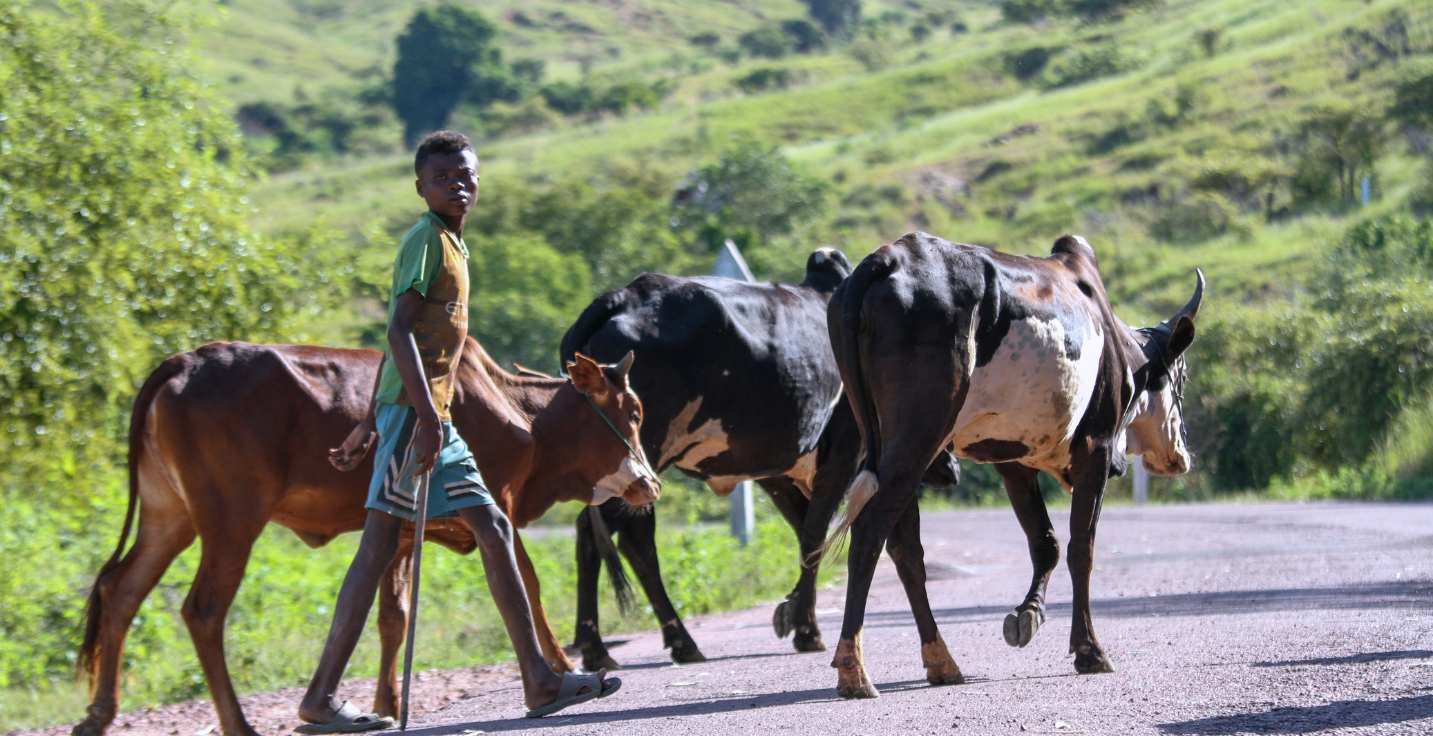
Lokobe is not just a protected area; it is an ecosystem anchored by the local community. The guides who pole the pirogues and interpret the forest’s subtle language are from the adjacent village, making every visit a direct investment in the people who act as its daily guardians.
The difference between a rushed stop and a meaningful visit here lies in the quality of the guide who can translate the forest’s subtle acoustics and visual secrets.
Why Visit
- Witness sexually dimorphic black lemurs in their natural habitat
- Arrive by traditional pirogue through mangrove-lined waterways
- Explore the last protected primary rainforest on the island of Nosy Be
- Discover nocturnal wildlife, including mouse lemurs, on a guided night walk
- Spot the impressively camouflaged panther chameleon with a specialist guide
Explore in Detail
Landscape & Geography
+The Experience
+When to Go & Access
The best time to visit is during the dry season, from April through November, when the trails are more manageable and wildlife is active. Accessing the park is a multi-step process that is part of the experience itself. From Nosy Be's main town, a vehicle takes you to the fishing village of Ambatozavavy. From there, the final and most memorable leg of the journey is by hand-paddled pirogue to the park's entrance. This reliance on non-motorised access preserves the tranquillity of the forest's edge.
Conservation & Community
+Wildlife to Encounter
Frequently Asked Questions
A full day allows for a thorough exploration, but adding a guided night walk requires an overnight stay nearby. A half-day trip feels rushed and misses the forest's deeper character.
The trails are not long or steep, but the high humidity and often muddy, root-covered paths earn the park a 'Moderate' difficulty rating. Good footwear is essential.
The dry season, from April to November, is ideal. It offers more comfortable hiking conditions with less rain and mud, and wildlife is generally easier to spot.
Access is from the main island of Nosy Be. It involves a road transfer to the village of Ambatozavavy, followed by a 30-45 minute journey in a traditional, non-motorised pirogue (dugout canoe) to the park's beach entrance.
Yes, and they are essential to the experience. A local park-appointed guide is mandatory for entry. They are not only required for navigation but are experts at spotting wildlife that is otherwise invisible to an untrained eye.



Private Expeditions
Ready to experience the wild?
Every journey is tailor-made by our Madagascar specialists — seamless, private, and unforgettable.