
Cap Sainte Marie Special Reserve: Where Two Oceans Meet the Spiny Thicket
the confluence of two oceans, critically endangered tortoises, and the edge of the spiny thicket
The constant, percussive roar is not the weather, but geography. It is the sound of the Mozambique Channel meeting the Indian Ocean, a relentless surge at Madagascar’s southernmost point. Here, the land simply runs out, giving way to a horizon defined by wind, salt, and colliding maritime currents.
Cap Sainte Marie Special Reserve protects this extraordinary nexus: a sub-arid spiny thicket ecosystem, one of the world’s most threatened habitats, running directly to the edge of sheer limestone cliffs. This is a final, arid frontier before the open sea, harbouring flora and fauna adapted to extreme coastal conditions.
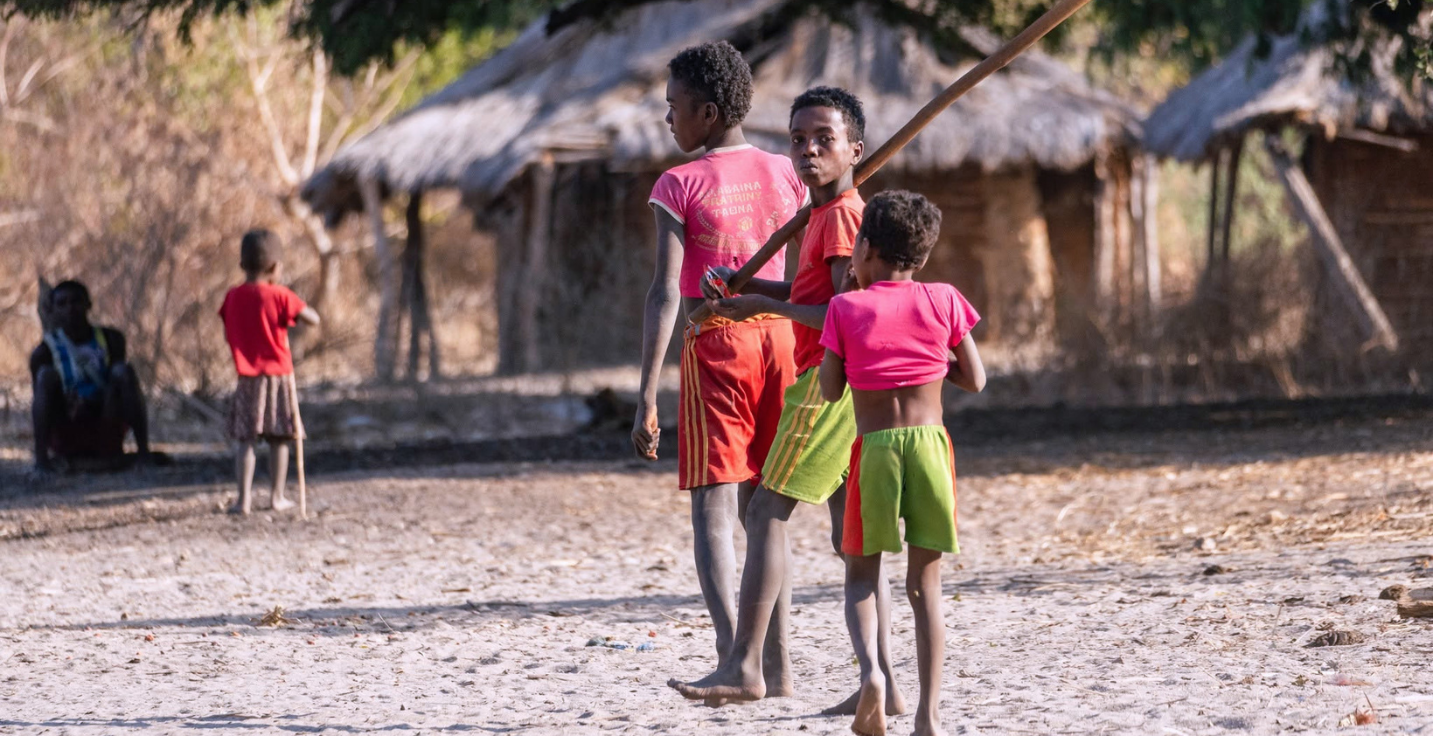
For the pastoralist Antandroy people, this is ancestral land shaped by wind and tradition. For mariners, it remains a formidable navigational marker, where a deserted French lighthouse stands as a monument to human endeavour against the vastness of the sea.
Access is by rugged 4×4 and sometimes private charter, a logistical reality that ensures Cap Sainte Marie remains a genuine expedition, well off the beaten track.
- Stand at the confluence of the Indian Ocean and Mozambique Channel
- Witness humpback whales on their annual migration (June–October)
- A last refuge for the critically endangered Radiated and Spider tortoises
- Explore the otherworldly spiny thicket, a unique arid ecosystem
- Hike to the abandoned lighthouse at Madagascar's southernmost point
- See Verreaux's Sifakas adapted to leaping through thorny trees
Cap Sainte Marie is a place of powerful intersections. It marks the formal meeting point of the warm Mozambique Channel and the colder Indian Ocean, a turbulent line often visible from the shore. This is the terminus of Madagascar, where the deep south—the Androy region—ends abruptly. The surreal landscape features drought-adapted octopus trees and thorny Didierea scrub, flattened by the relentless wind into a horizontal carpet of crisscrossed trunks. This dense brush gives way to sheer limestone cliffs that plunge into the churning surf below, securing a raw and windswept environment at the continent's very edge.
Let us design a private itinerary built entirely around what matters to you.
Design Your Private Trip With Us →A visit here is about absorbing scale rather than covering ground. Days are spent on foot, tracing cliff edges with a naturalist, searching for endemic tortoises in the scrub, or scanning the horizon for whale spouts. The defining moment is often the walk to the abandoned French lighthouse. Reaching this wind-battered sentinel at the island's ultimate tip allows one to feel the undiluted force of the elements. Standing in this profound solitude, where the human footprint feels remarkably temporary, recalibrates one's sense of the world.

Life along the river, among lemurs and sacred tamarind groves.
View Property →The optimal window is the dry season, from May to October. This period offers the most stable weather for overland travel and coincides with the height of the humpback whale migration (June–October), as the marine mammals are drawn by nutrient-rich oceanic upwellings off the cape. Reaching Cap Sainte Marie is an expedition in itself, not a simple visit to a park. Access from Fort Dauphin or Tuléar requires a multi-day journey by rugged 4x4 or a private charter flight, followed by a final overland transfer. The nearest town of substance is hours away, a logistical reality that underscores the reserve’s profound isolation.
Cap Sainte Marie remains a critical conservation battleground. It serves as one of the last protected strongholds for Radiated and Spider tortoises, both critically endangered due to poaching. The reserve, managed by Madagascar National Parks, faces immense pressure. Visitor presence provides a crucial economic alternative for local communities whilst funding the patrols essential for protecting these ancient reptiles and their singular habitat. A journey here is a direct investment in the survival of one of the world's most distinctive ecosystems.
“Best visited May – October — drier, cooler, and more comfortable for walking.”
Contact Us to Design Your Journey| Humpback Whale | Seasonal visitor (June–Oct); seen from cliff tops breaching and spouting as they migrate from the Antarctic to calve in warmer waters. |
| Radiated Tortoise | Critically endangered; found foraging slowly in the spiny thicket. A sighting is a privilege, often with a dedicated park ranger. |
| Spider Tortoise | One of the world's smallest and rarest tortoises; its survival depends entirely on the protection of this specific habitat. |
| Verreaux's Sifaka | White, arboreal lemur adapted to leaping between the thorny branches of Didierea trees—a behaviour unique to this arid habitat. |
| Ring-tailed Lemur | A resilient population adapted to the arid south; troops are occasionally seen foraging on the ground amidst the spiny flora. |
| Subantarctic Fur Seal | A rare and occasional visitor to the rocky coastline, its presence a sign of unusual oceanic currents or weather patterns. |
Stand at the confluence of the Indian Ocean and Mozambique Channel
Frequently Asked Questions
The peak of the humpback whale migration occurs between June and late September. During this time, sightings of spouts, breaches, and other surface activity are common from the cliffs, offering a fantastic shore-based whale-watching experience.
Reaching the reserve is a significant undertaking. It requires either a private charter flight or a multi-day 4x4 expedition from Tuléar or Fort Dauphin over difficult roads. This is not a destination for a casual day's outing; it is a genuine expedition.
A minimum of three to four days is recommended. This allows for the substantial travel time to reach the cape and provides at least two full days to explore the reserve, see the lighthouse, and search for wildlife without feeling rushed.
The reserve is a crucial sanctuary for the critically endangered Radiated and Spider tortoises, which are under severe threat from poaching. Conservation efforts, supported by visitor fees, are focused on anti-poaching patrols and habitat protection.
The activities within the park, such as walking along the cliffs and through the spiny thicket, are generally of moderate difficulty. The main challenges are exposure to sun and wind, and walking on uneven, sandy terrain. A good general level of fitness is sufficient.



Private Expeditions
Ready to experience the wild?
Every journey is tailor-made by our Madagascar specialists — seamless, private, and unforgettable.