Lokobe National Park: Nosy Be’s Last Primary Rainforest
National Park Madagascar

Lokobe National Park: Nosy Be’s Last Primary Rainforest

a primary rainforest sanctuary reached by pirogue, home to the black lemur

Explore
RegionDiana
Best SeasonApril – November
DifficultyModerate
Duration1–2 days
Read5 min read

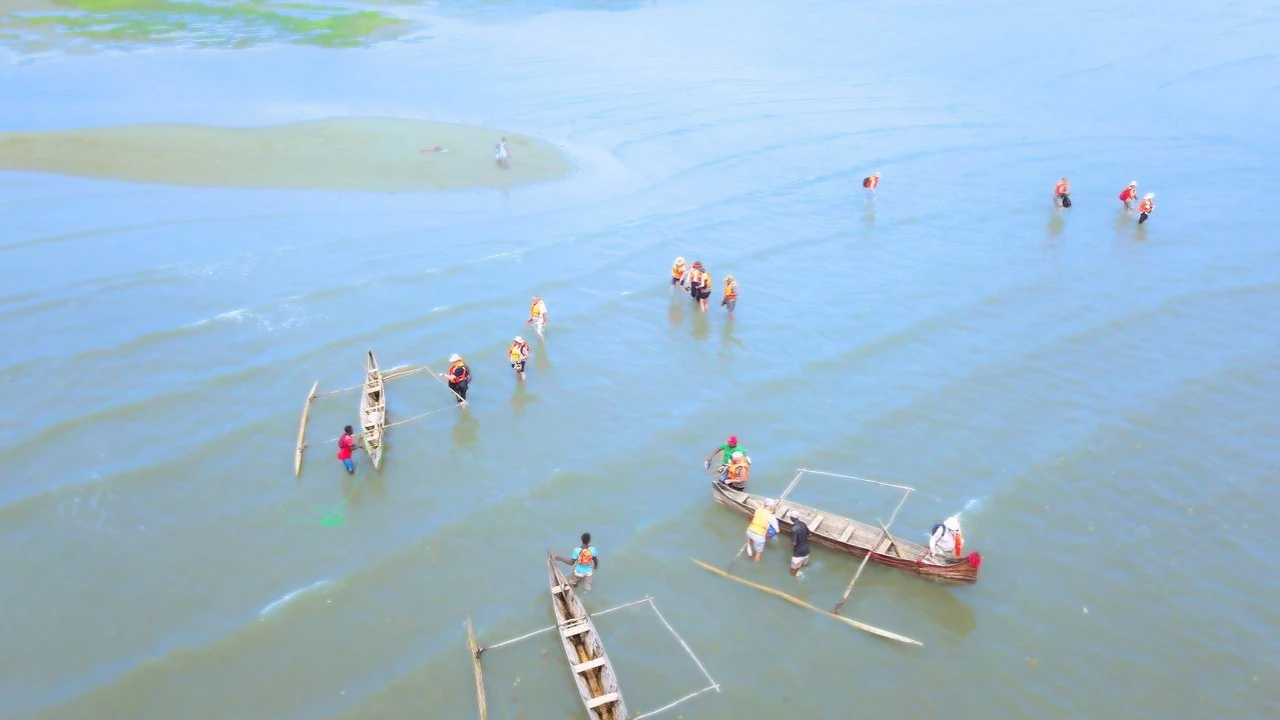
The world changes at the water’s edge. As your hand-carved pirogue leaves the bright, open water of the Mozambique Channel and glides into a shaded mangrove tunnel, the air grows heavy and still. The rhythmic dip of a single paddle is the only percussion against the rising hum of the forest, a transition from the world of sun and sand to one of deep, emerald shade and damp earth.

This is the ceremonial entrance to Lokobe National Park, the last significant remnant of Nosy Be’s original lowland rainforest. This Sambirano ecosystem, defined by its high humidity and towering canopy, is a self-contained world, a final refuge for species that have vanished from the rest of the developed island.

Lokobe is not just a protected area; it’s an ecosystem anchored by the local community. The guides who pole the pirogues and interpret the forest’s subtle language are from the adjacent village, making every visit a direct investment in the people who act as its daily guardians.

The difference between a rushed stop and a meaningful visit here lies in the quality of the guide who can translate the forest’s subtle acoustics and visual secrets.

Why Visit

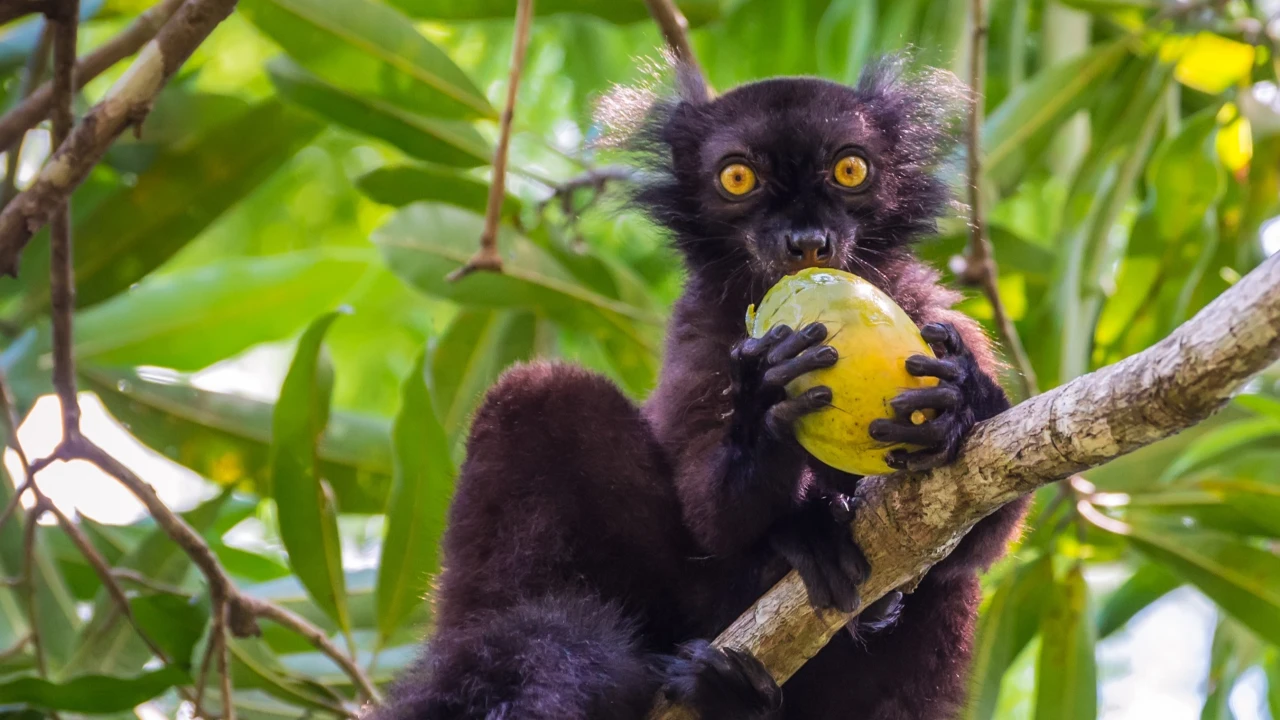
  • Witness sexually dimorphic black lemurs in their natural habitat
  • Arrive by traditional pirogue through mangrove-lined waterways
  • Explore the last protected primary rainforest on the island of Nosy Be
  • Discover nocturnal wildlife, including mouse lemurs, on a guided night walk
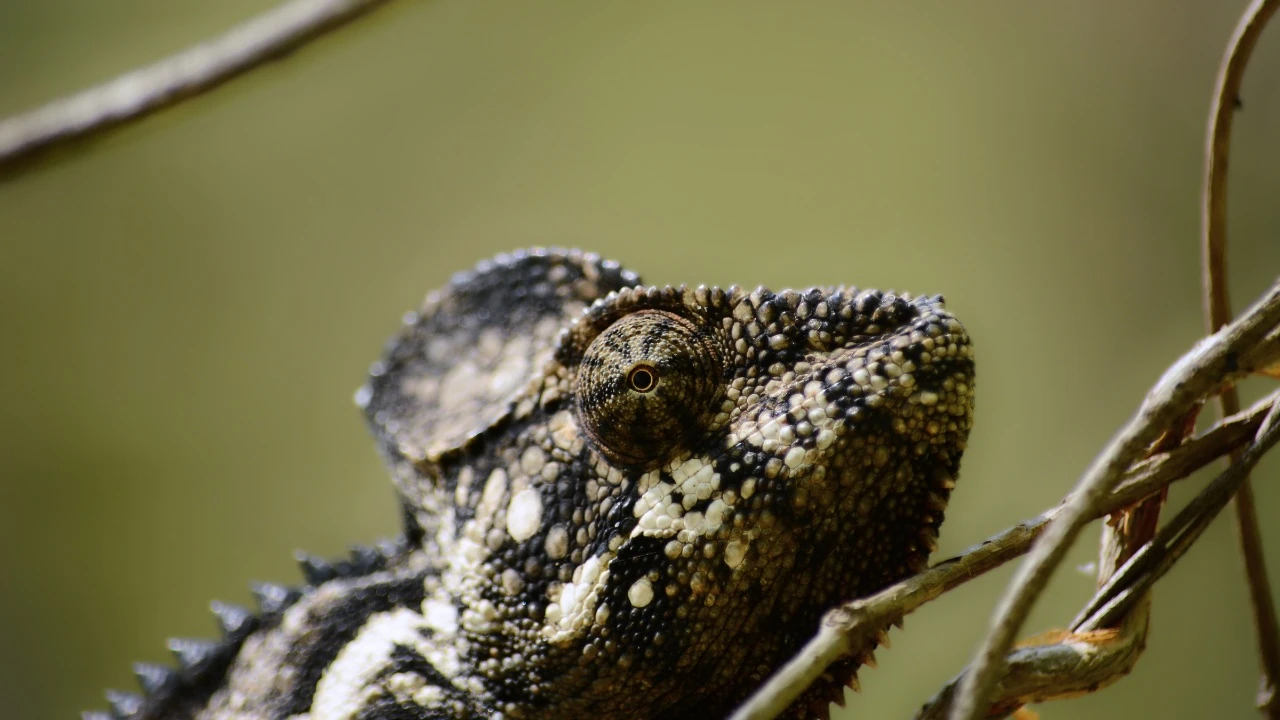
  • Spot the impressively camouflaged panther chameleon with a specialist guide

Explore in Detail

Lokobe is the final fragment of Nosy Be's original Sambirano lowland rainforest, a specific ecosystem defined by high humidity and a dense canopy that creates its own twilight. The forest floor is a thick, springy carpet of centuries of leaf litter that muffles footsteps. Giant Canarium madagascariense and other ancient trees form a ceiling so complete that light only penetrates in narrow shafts. This is a compact, enveloping environment—officially a national park since 2011—where the world is felt through the damp air and the sounds that travel through the thick vegetation.
A visit to Lokobe is one of sensory immersion, not distance covered. The journey begins with the deliberate, quiet approach by a traditional pirogue, a transition that attunes you to the forest's slower pace. Once ashore, exploration is on foot along narrow, often muddy trails. The focus is on deep observation. A good guide doesn't just lead; they interpret—pointing out the near-invisible panther chameleon, translating the alarm call of a bird, or pausing to listen for the sound of falling fruit that signals a troop of lemurs feeding high above.
When to Go & Access
The best time to visit is during the dry season, from April through November, when the trails are more manageable and wildlife is active. Accessing the park is a multi-step process that is part of the experience itself. From Nosy Be's main town, a vehicle takes you to the fishing village of Ambatozavavy. From there, the final and most memorable leg of the journey is by hand-paddled pirogue to the park's entrance. This reliance on non-motorized access preserves the tranquility of the forest's edge.
As the last green lung for the heavily developed island of Nosy Be, Lokobe’s role is critical. The park, managed by Madagascar National Parks, protects the watershed for the region and provides a vital anchor against further deforestation. The most effective conservation here is the direct link between the park and the local economy. The men and women from the Ambatozavavy community are the exclusive guides and piroguiers, meaning park tourism provides a direct, sustainable income that creates a powerful incentive for protecting this irreplaceable biological reservoir.

Wildlife to Encounter

Black Lemur
The park's flagship species; males are jet black while females are a rich russet brown. Usually seen in family groups moving through the high canopy.
Panther Chameleon
A master of camouflage, often found clinging to branches along the trails. An expert guide is almost essential to spot their subtle forms.
Madagascar Tree Boa
A nocturnal hunter; best sighted during a night walk, where they can be seen coiled on branches, waiting for prey.
Nosy Be Mouse Lemur
One of the world's smallest primates, this tiny nocturnal lemur is best located by the reflection of its large eyes in a guide’s torch beam.

Private Expeditions

Ready to Experience the Wild?

Every journey is tailor-made by our Madagascar experts — seamless, private, and unforgettable.