
To understand Madagascar, you don’t read its history in a book. You walk it, on the high plateaus where a kingdom was forged.
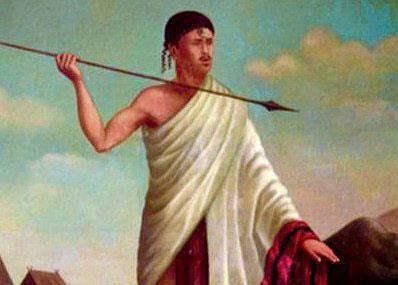
Most journeys to Madagascar begin and end in Antananarivo. The city sprawls across a dozen hills, a complex tapestry of red earth homes, steep stairways, and terraced rice fields. It’s a geography that feels intentional, almost strategic. And it is. This landscape is the direct legacy of one man: King Andrianampoinimerina. To the traveler who has seen the great monuments of the world, his name may be unfamiliar. But here, in the Central Highlands, his presence is still tangible.
Understanding his story isn’t an academic exercise; it’s the key to unlocking the cultural heart of the Imerina kingdom. It transforms a simple drive through the countryside into a journey through a living history book. For the traveler who seeks more than just wildlife, who looks for the human narrative woven into the land, the story of this king is the essential first chapter of any Malagasy adventure.
The King and The Land
Before Andrianampoinimerina’s reign in the late 18th century, the Central Highlands were a mosaic of rival principalities. His singular achievement was their unification into a cohesive state, the Kingdom of Imerina. He did this not just through conquest, but through a profound understanding of the land and its people. He organized the intricate irrigation systems that still feed the rice paddies, established markets, and codified laws that brought a new level of order.
His famous maxim, “The sea is the limit of my rice field,” was a declaration of ambition that his successors would strive to fulfill, eventually uniting the entire island. When you stand on the high ground of the Rova in Antananarivo and look out, you are seeing the first draft of modern Madagascar, laid out by a king whose vision extended far beyond his own hill.
The Royal Hills: A Tangible Itinerary
The legacy of Andrianampoinimerina is not confined to museums. It is a circuit of sacred hills, royal residences, and tombs that circle Antananarivo, each with its own resonance. For the historian, the photographer, or the culturally curious traveler, exploring these sites offers an immediate and profound connection to the island’s past.
Ambohimanga: The Sacred Hill
Approximately 24 kilometers north of the capital, a journey of 1.5 to 2 hours depending on traffic, lies Ambohimanga. This UNESCO World Heritage site was Andrianampoinimerina’s residence and remains one of the country’s most important spiritual centers. It is not a ruin; it is a living site, where Malagasy people still come to connect with their ancestors. To walk through the royal enclosure, past the sacrificial stone and the king’s simple wooden house, is to feel the weight of history. A visit here is best planned as a half-day excursion, guided by a specialist who understands the nuance of its Fady (taboos) and oral histories.
The Rova of Antananarivo: The Center of Power
Perched on the highest hill of the capital, the Rova was the seat of the Merina monarchy for generations. Though a fire in 1995 tragically destroyed much of the wooden structures within its stone shell, the site is a powerful symbol of national identity and resilience. The slow work of its restoration is a story in itself. The view from its gates provides a strategic overview of the city he consolidated, making it an essential stop on any introductory tour of Antananarivo.
“At Ambohimanga, the stones still hold the silence of a king’s decisions. You feel it more than you see it.”
Integrating the Highlands into Your Journey
A deep dive into the history of the Imerina Kingdom is not a standalone trip; it is the perfect prologue to a broader exploration of Madagascar.
Best Season:
The Central Highlands are best experienced during the dry season, from April to October. The light is clear, the air is crisp, and the roads are more reliable. This timing allows for comfortable walking tours of the royal sites and excellent conditions for photography.
Where It Fits:
We recommend dedicating your first one or two days in Madagascar to this region. It serves as an ideal period of acclimatization after a long flight, before embarking on a classic Madagascar road trip down the RN7 to the south, or heading east to the rainforests of Andasibe. Starting with this historical context enriches everything you see afterward.
The Vivy Travel Difference:
Anyone can take you to a historical site. Our approach is to connect you with specialist guides—historians and cultural experts who are from the region, who grew up with these stories. They provide a level of context that transforms a tour into a conversation, ensuring you plan your first trip to Madagascar like a pro by focusing on depth, not just destinations. This is how a journey becomes an education, and a holiday becomes an experience.
Explore The Legacy of a Kingdom
Let us craft a journey that goes beyond the surface, into the historical heart of Madagascar.