
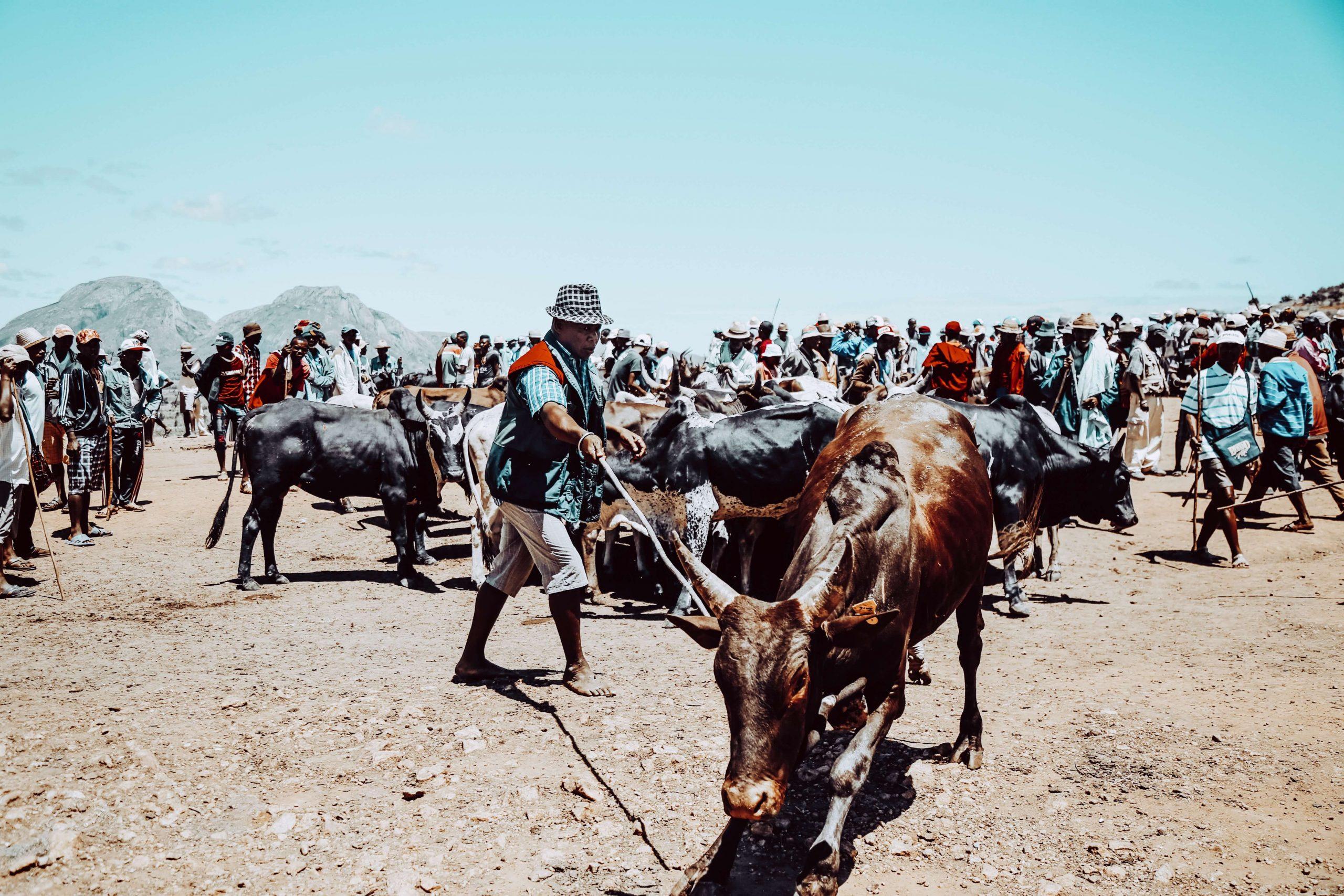
Discover Madagascar’s Most Authentic Zebu Market Experience in Ambalavao
Picture this: thousands of magnificent zebu cattle thundering across dusty hills, their hooves creating clouds of red earth while traditional Malagasy herders guide them with ancient whistles and calls. This isn’t a scene from Madagascar’s past – it’s the vibrant reality of Ambalavao’s legendary zebu market, where centuries-old trading traditions come alive every single week.
Located in the southwestern highlands of Madagascar, Ambalavao hosts one of the island’s most spectacular and largest cattle markets. This isn’t just a commercial event; it’s a living museum of Malagasy culture where you can witness authentic rural traditions that have remained virtually unchanged for generations.
When the Hills Come Alive: Market Days and Schedule
The magic unfolds every Wednesday afternoon and Thursday morning, transforming the quiet hillsides around Ambalavao into a bustling epicenter of activity. The market typically begins around 6:00 AM on Thursday, with preparations starting the previous afternoon.
- Wednesday afternoon: Herders arrive with their cattle, setting up temporary corrals
- Thursday early morning (6:00-11:00 AM): Peak trading hours with maximum activity
- Best viewing time: 7:00-9:00 AM for the most authentic experience
Pro tip: Arrive early to witness the sunrise casting golden light over thousands of zebu as they’re moved into position – it’s a photographer’s dream and an unforgettable sight.
The Sacred Role of Zebu in Malagasy Culture
To understand the significance of Ambalavao’s market, you must first appreciate the sacred status of zebu in Madagascar. These aren’t merely livestock – they’re symbols of wealth, status, and spiritual connection to ancestors.
In Malagasy tradition, zebu represent:
- Ancestral wealth: Passed down through generations as living inheritance
- Social status: The number of zebu owned determines community standing
- Ritual significance: Essential for ceremonies like famadihana (turning of the bones)
- Economic security: A walking bank account that appreciates in value
The Betsileo People and Their Zebu Heritage
The market is deeply rooted in Betsileo culture, the highland people who have mastered zebu husbandry for over 1,000 years. Their expertise in breeding, trading, and caring for these animals is evident in every aspect of the market’s operation.
Inside the Market: A Choreographed Chaos
At its peak, the Ambalavao zebu market hosts approximately 2,000 to 3,000 zebu in a single day, making it one of the largest livestock gatherings in the Indian Ocean region.
The Mpiarak’andro: Masters of Their Craft
The true stars of this spectacle are the mpiarak’andro – skilled herders whose name literally means “those who guard the day.” These experts possess an almost supernatural ability to:
- Control massive herds with subtle whistle commands
- Assess zebu quality and value at a glance
- Navigate complex negotiations in multiple local dialects
- Maintain order among thousands of animals in confined spaces
The Trading Ritual
Zebu trading follows ancient protocols that fascinate visitors. Negotiations involve elaborate ceremonies where buyers and sellers engage in ritualistic haggling, often lasting hours for premium animals. The handshake sealing the deal is accompanied by traditional blessings and sometimes shared meals.
Current Market Prices and Economic Impact
As of 2024, zebu prices at Ambalavao market range dramatically based on age, size, and breeding quality:
- Young bulls: 300,000 – 600,000 Ariary ($75-150 USD)
- Prime breeding bulls: 800,000 – 1,500,000 Ariary ($200-375 USD)
- Exceptional show animals: Up to 3,000,000 Ariary ($750 USD)
- Cows with calves: 500,000 – 1,200,000 Ariary ($125-300 USD)
The market generates over $2 million USD annually in transactions, making it a crucial economic driver for the entire Haute Matsiatra region.
Visitor Experience: What to Expect
Getting There
Ambalavao lies approximately 470 kilometers south of Antananarivo via Route Nationale 7. The zebu market is located on hills just outside the town center:
- By car: 6-7 hour drive from Tana through scenic highlands
- By taxi-brousse: Overnight journey, departing early morning
- Local transport: Pousse-pousse or walking from Ambalavao center (2km)
What Brings Visitors
The market attracts three distinct groups: serious cattle traders from across Madagascar, cultural enthusiasts seeking authentic experiences, and photographers capturing one of Africa’s most photogenic markets.
Etiquette and Respect
Remember, this is a working market where people’s livelihoods depend on successful trades. Visitors should:
- Ask permission before photographing people
- Stay clear of moving cattle
- Respect ongoing negotiations
- Consider hiring a local guide for cultural context
Beyond the Market: Ambalavao’s Hidden Treasures
Your zebu market visit perfectly combines with other Ambalavao attractions:
Antaimoro Paper Workshop
Visit traditional papermaking workshops where artisans create beautiful paper embedded with dried flowers, continuing techniques introduced by Arab traders centuries ago.
Anja Community Reserve
Just 13 kilometers from town, this community-managed reserve protects ring-tailed lemurs and offers excellent hiking with spectacular granite formations.
Local Silk Weaving
Ambalavao is renowned for its wild silk production, where you can observe traditional looms creating the famous lamba silk shrouds used in Malagasy burial ceremonies.
Photography Tips for the Perfect Shot
The zebu market offers incredible photographic opportunities, but success requires preparation:
- Golden hour magic: Arrive at 6:30 AM for stunning backlighting
- Dust and action: Capture the dramatic clouds kicked up by thousands of hooves
- Portrait opportunities: Weathered herders with traditional tools make compelling subjects
- Wide-angle perspectives: Show the massive scale of the gathering
Conservation and Sustainability Efforts
The Ambalavao zebu market plays a crucial role in the local economy and culture.