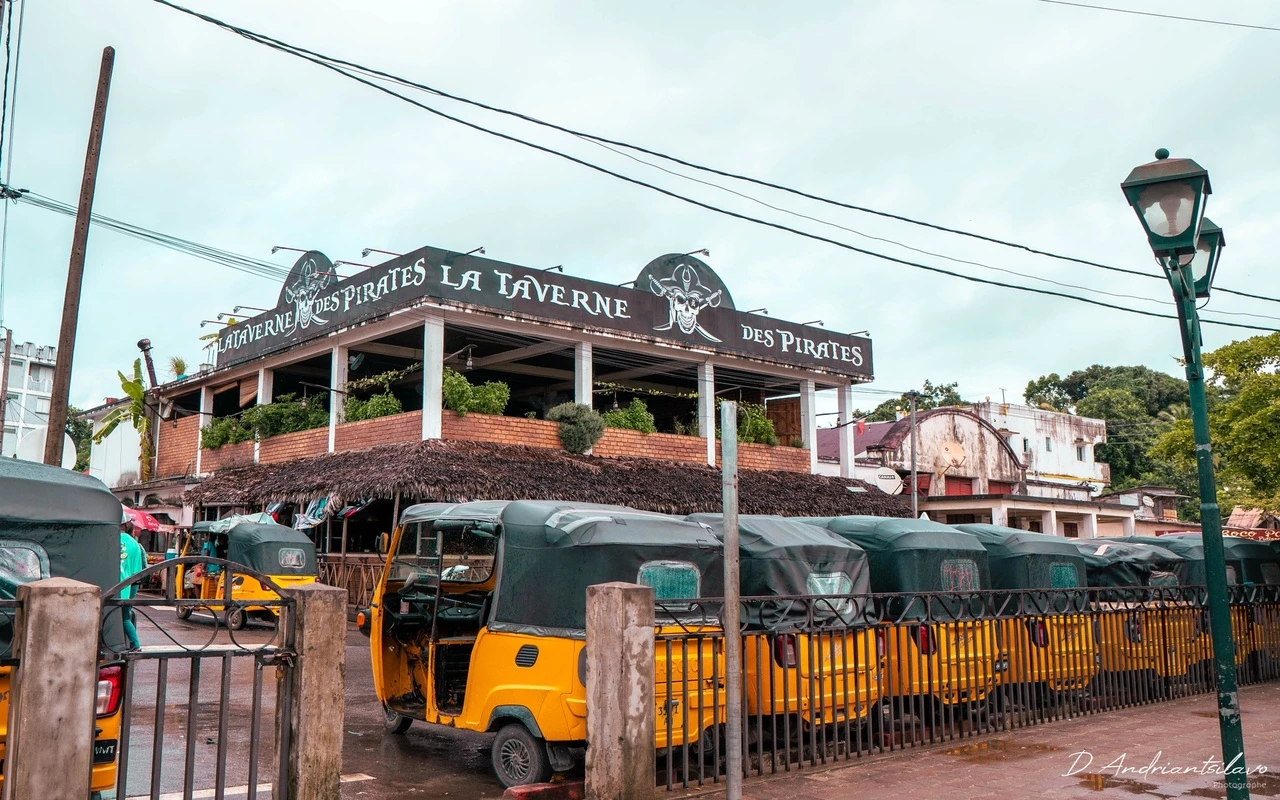

Tuléar, Ifaty & Anakao
A coastal journey from the hub of Tuléar to the lagoon-side calm of Ifaty and the Vezo fishing village of Anakao, which is accessible only by boat.
The pirogues of the Vezo fishermen leave wakes on the sea long before the sun clears the horizon. This stretch of coast is a study in progression: from the dusty, functional streets of Tuléar, the landscape softens into the lagoon-side hotels of Ifaty. Yet it is the journey south to Anakao, possible only by boat, that defines the region, exchanging resort comforts for a village where life is paced by the tide and the catch. This is not a single destination, but a deliberate sequence from city, to shore, to seclusion.
Most travellers arrive by air into Tuléar, which serves as the logistical starting point. From here, Ifaty is a straightforward hour’s drive north on a tarmacked road. Anakao, however, requires a different approach: a scheduled 60-minute boat transfer across the bay, which is the only reliable means of access. A well-planned itinerary allocates a night or two in Ifaty for reef access and relaxation, before committing to the more distinct isolation of Anakao for another two. This corridor is best experienced from April to November, when the seas are calm for the Anakao transfer and the heat is less intense.
Best time to visit
Where to stay
 Forest Lodge
A modern lodge listening to the sounds of the rainforest.
 Eco-Lodge
A private reserve on Lake Ampitabe, reached only by water.
 Forest Lodge
Where the rainforest floor meets the Tampolo coral reef.
Frequently asked questions
Travel is not direct. One must return to Tuléar from Ifaty (a one-hour drive) and then take the separate boat transfer to Anakao (a one-hour boat trip).
For most travellers, no. It serves best as a logistical point for airport arrivals and boat departures, rather than as a destination for an overnight stay.
A minimum of four nights is needed to experience both Ifaty and Anakao without being rushed: one or two nights in Ifaty, and two in Anakao.
The crossing is generally calm in the morning, which is when all transfers are scheduled. Afternoon winds can make the sea choppy, so return journeys are also scheduled for the morning.