
Sahamalaza-Îles Radama National Park: Forest Peninsula & Remote Archipelago
a protected forest peninsula and remote coral archipelago, reached only by sea
The journey begins not with an arrival, but with a letting go. Aboard a private dhow, its sail catching the steady breath of the Mozambique Channel, the familiar world recedes. The journey here is measured not in kilometres but in the gradual shifting of the water’s colour, from coastal turquoise to the profound indigo of the open channel. The air, thick with salt and the distant scent of ylang-ylang from coastal plantations, softens as the first of the Radama Islands appears on the horizon.
This is the approach to Sahamalaza-Îles Radama National Park, a UNESCO Biosphere Reserve that holds two worlds in delicate balance. It is a fragment of ancient, humid deciduous forest clinging to a mainland peninsula, and an archipelago of four coral-fringed islands scattered like emeralds across a sapphire sea. The park protects one of the last significant stands of this coastal forest ecosystem, a final refuge for species found nowhere else.
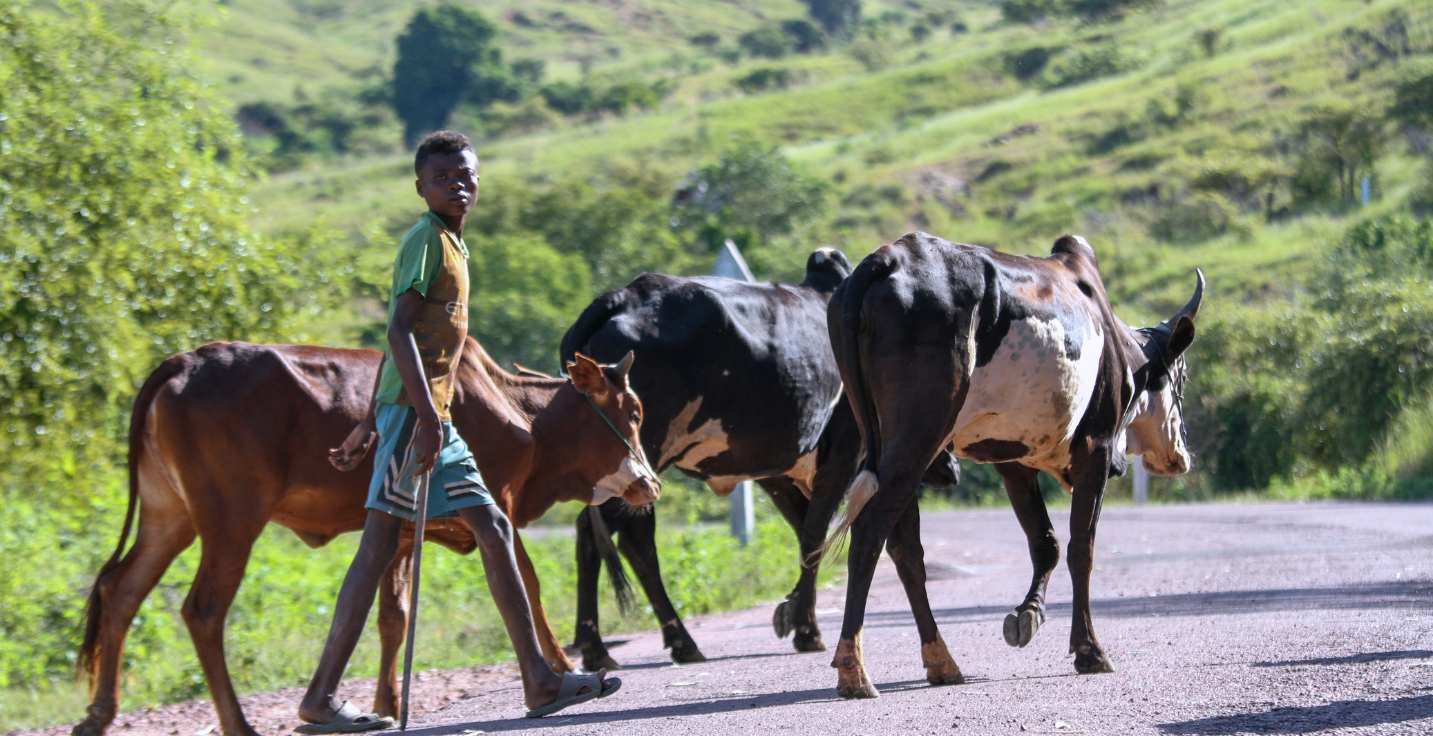
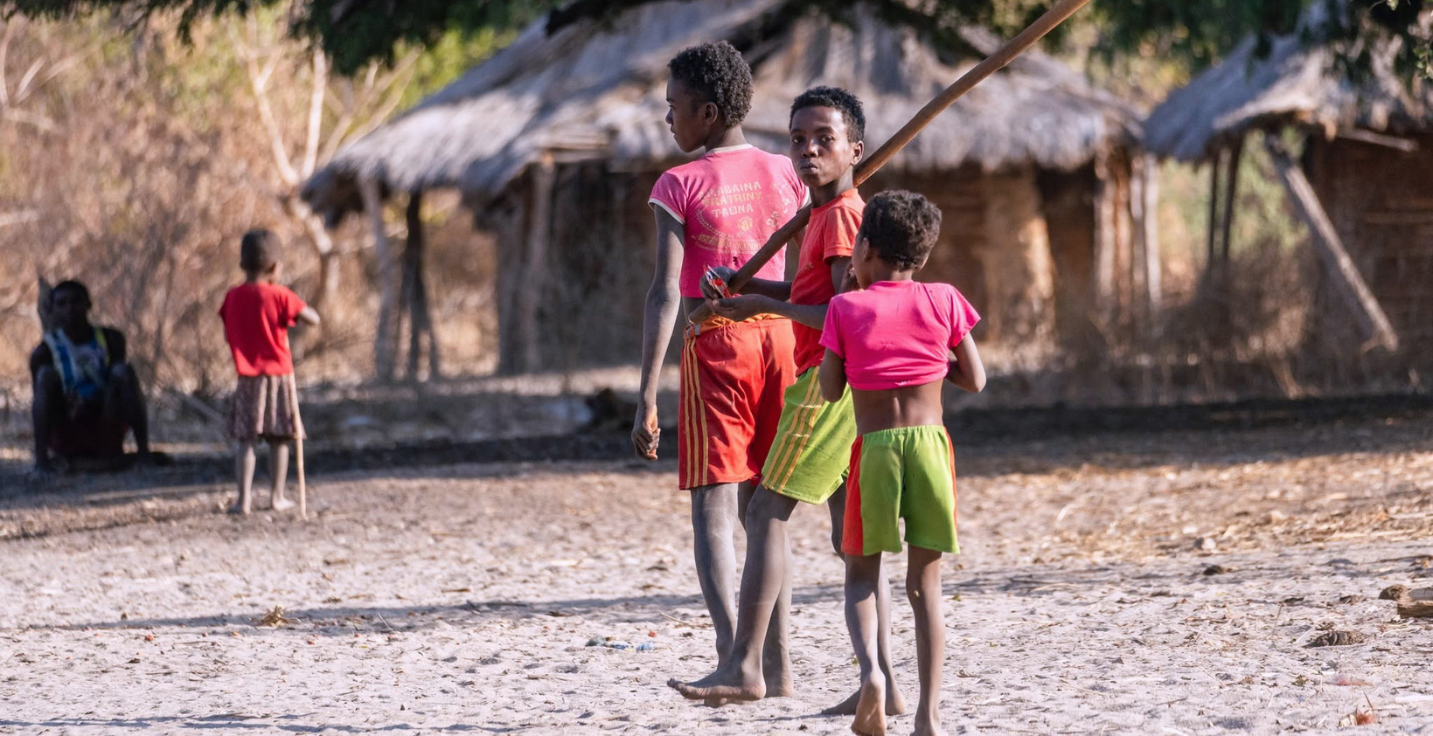
This is the ancestral territory of the Sakalava people, whose lives remain intrinsically woven into the health of both the forest and the reef. Their maritime culture and stewardship are the quiet, human pulse of this wilderness; a relationship with the environment that has shaped the character of the land and sea over generations.
Access is exclusively by private sea vessel, a logistical reality that keeps this dual ecosystem entirely separate from the main travel circuits.
Why Visit
- Explore a dual wilderness: coastal forest and a remote island archipelago
- Arrive by private dhow or catamaran on a multi-day sea voyage
- Search for the critically endangered blue-eyed black lemur
- Snorkel over pristine coral gardens in total seclusion
- Experience the profound solitude of a genuinely isolated destination
- UNESCO Biosphere Reserve protecting a rare coastal ecosystem
Explore in Detail
Landscape & Geography
+The Experience
+When to Go & Access
The park is best visited during the dry season, from May to October, when seas are calm, skies are clear and underwater visibility is at its peak. Access is the defining characteristic of a Sahamalaza journey. There are no roads into the park. Entry is exclusively by sea, typically via a private, multi-day charter on a catamaran or dhow departing from Nosy Be. This requires significant forward planning and coordination, as the vessel serves as your base for transport, accommodation and exploration for the entire duration of the trip.
Conservation & Community
+Wildlife to Encounter
Frequently Asked Questions
Access is exclusively by sea on a multi-day private charter, usually a catamaran or traditional dhow. Expeditions typically depart from the island of Nosy Be, which is reachable by domestic flights.
Accommodation is on your private vessel. Catamarans offer comfortable cabins with en-suite facilities, providing a floating base for the entire journey. There are no hotels or lodges within the park boundaries suitable for this type of expedition.
We recommend a minimum of four days and three nights to experience both the terrestrial and marine environments properly. This allows for sufficient time for sailing, forest treks and snorkelling without feeling rushed.
A moderate level of fitness is suitable. Activities include walking on uneven forest trails, swimming, and getting on and off the vessel via a dinghy. The trekking is not exceptionally strenuous, but agility and a degree of comfort in the water are important.
It is an exceptional snorkelling destination due to the reefs' isolation and health. The experience is about pristine conditions and solitude. Whilst diving can be arranged, the quality and accessibility of the shallow reefs make snorkelling the premier activity.
The dry season, from May to October, offers the most reliable weather. During these months, you can expect calm seas, abundant sunshine and excellent conditions for all marine and terrestrial activities.


Private Expeditions
Ready to experience the wild?
Every journey is tailor-made by our Madagascar specialists — seamless, private, and unforgettable.