
The Culture of Madagascar: Ancestors, Traditions, and a Tapestry of Peoples
A journey into the complex world of Malagasy ancestry and custom.
Madagascar’s culture is a living mosaic, a synthesis of Austronesian, African, and European threads woven over centuries. To travel here is to engage with a society where ancestral lines dictate daily life, where taboos shape social conduct, and where history is recounted not only in texts but through ritual, music, and oral tradition.
Highlights
- Witnessing a Hira Gasy performance in the Highlands
- Understanding the role of fady (taboos) in daily life
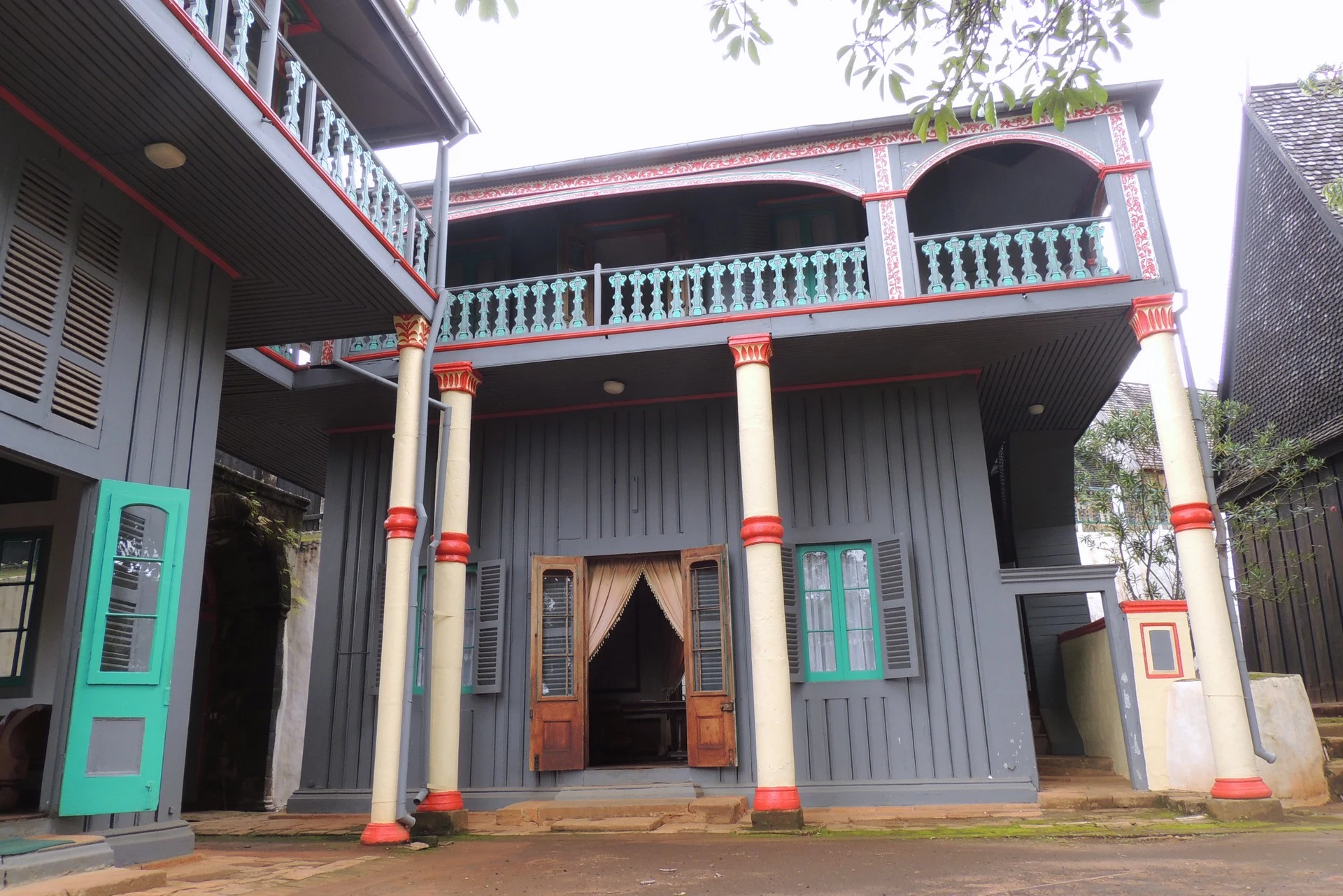
- Exploring the Austronesian heritage in architecture and agriculture
- Learning about the Famadihana ceremony of the Merina and Betsileo
- Grasping the complex relationship between the living and their ancestors
Looking to
plan this experience?
Every itinerary is tailor-made around your dates, pace and interests.
Ask for a QuoteLooking for
Travel Ideas?
Discover carefully designed itineraries that showcase the very best of Madagascar.
Explore Suggested Trips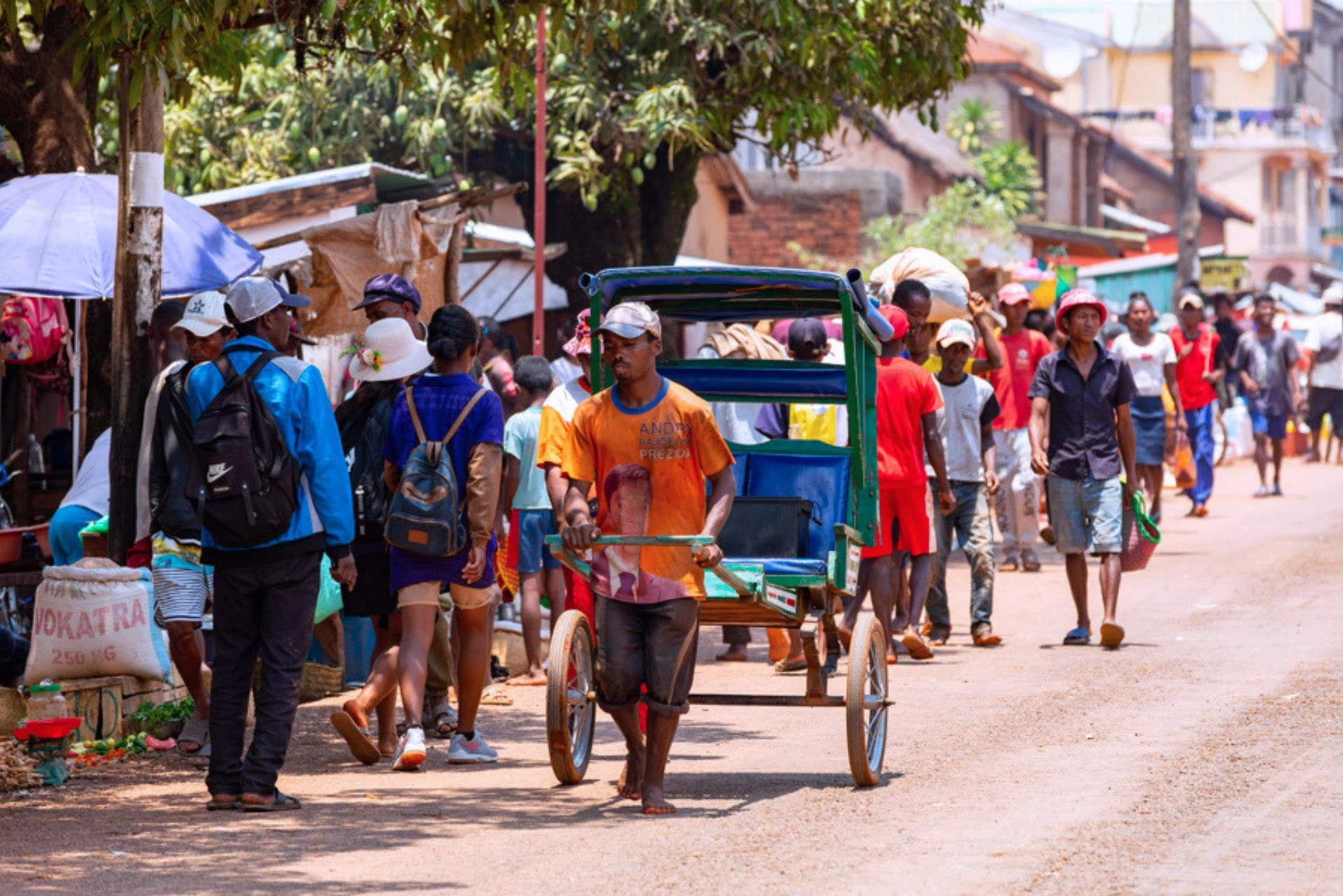
The Austronesian Imprint
A Mosaic of Peoples
The Living and the Dead
The Law of Fady
Rituals of Life and Memory
From Kingdom to Republic
Frequently asked questions
Fady are local taboos. Your guide is essential for navigating them. They can relate to pointing at tombs, wearing certain colors in specific areas, or eating particular foods. Adherence is a matter of respect, and your guide will brief you on any relevant fady in the regions you visit.
Witnessing a Famadihana is a rare privilege, not a tourist spectacle. These ceremonies occur primarily in the dry season (June-September) and are family events. If an opportunity arises through local connections, it must be approached with the utmost respect, guided by a local who can interpret protocol.
The ombiasy (healer/diviner) or mpanandro (astrologer/diviner) holds a significant role as a spiritual advisor. They are consulted on everything from illness and business ventures to determining auspicious dates for weddings or funerals. Their guidance is rooted in ancestral wisdom and is deeply respected.
The 18 officially recognized foko (ethnic groups) have distinct cultural practices, dialects, and even physical appearances. A journey from the central highlands of the Merina people to the southern coast of the Antandroy reveals dramatic shifts in architecture, dress, livelihood, and social structure.