The Eighth Continent: A Naturalist’s Journey in Madagascar
Wildlife & Nature

The Eighth Continent: A Naturalist’s Journey in Madagascar

An expedition into the world's highest concentration of endemic species.

Madagascar is less a country than a parallel evolutionary universe. Separated from continental landmasses for 88 million years, the island has fostered a biological narrative found nowhere else. This journey is a deep dive into its singular ecosystems, from spiny forests to montane rainforests, in search of its distinct flora and fauna.

Highlights

  • Track the Indri, the largest living lemur, by its haunting territorial call
  • Observe the social behaviors of Ring-tailed lemurs in the canyons of Isalo
  • Witness the migration of Humpback whales off the coast of Île Sainte-Marie
  • Walk among six of the world's eight baobab species at the Avenue of the Baobabs
  • Seek out critically endangered avifauna like the Madagascar Fish Eagle

Looking to
plan this experience?

Every itinerary is tailor-made around your dates, pace and interests.

Ask for a Quote

Looking for
Travel Ideas?

Discover carefully designed itineraries that showcase the very best of Madagascar.

Explore Suggested Trips
Want to explore
more?

Discover more experiences across Madagascar.

Browse experiences
The Eighth Continent: A Naturalist’s Journey in Madagascar
1 / 4

The Lemur's Domain

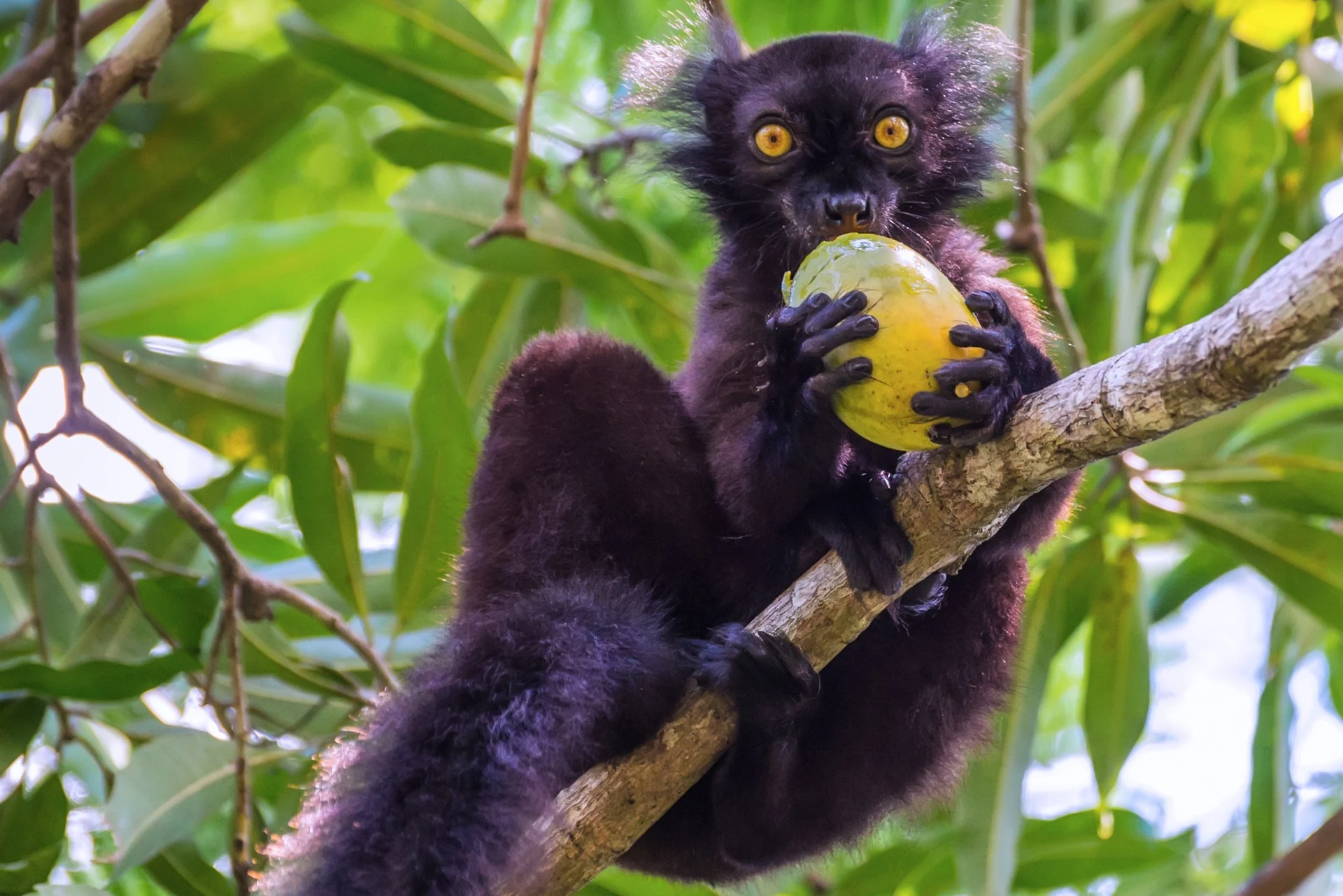
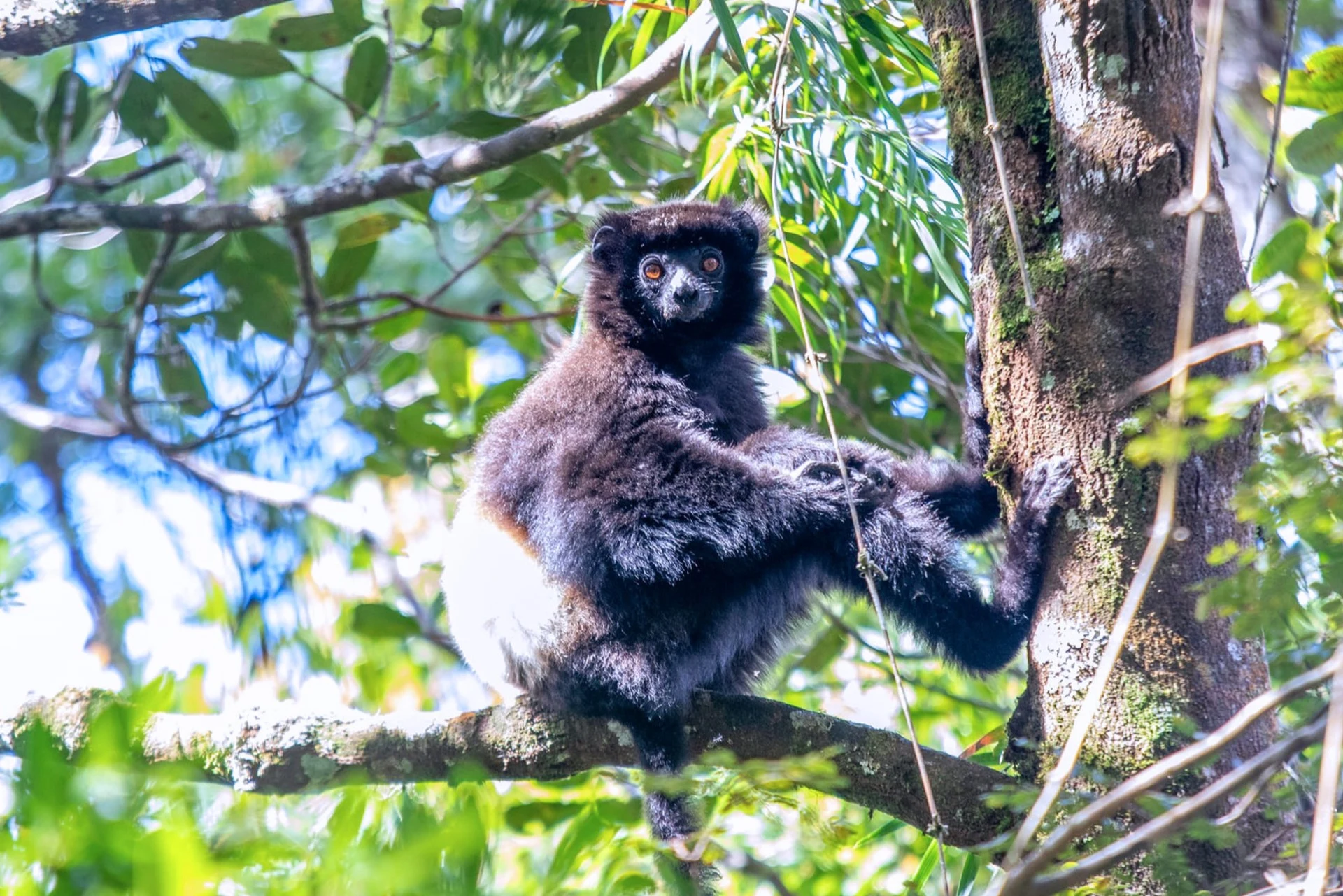
Madagascar is the sole natural habitat for lemurs, and a journey here is an immersion into their diverse world. In the montane rainforests of Andasibe-Mantadia National Park, one tracks the largest species, the Indri (Indri indri), not by sight but by its powerful, melancholic call that carries for kilometers. Further south, within the sandstone formations of Isalo National Park and the granite domes of Andringitra, troops of Ring-tailed lemurs (Lemur catta) are a common sight, sunning themselves on rock faces in the early morning. The arboreal Verreaux’s Sifaka (Propithecus verreauxi), known for its bipedal, dance-like movement across the ground, is best observed in the dry deciduous forests of the west and the spiny forests of the south.

An Avian Hotspot

The island’s isolation has resulted in an extraordinary avian radiation, with over 100 endemic bird species. The prime observation window is between October and December, which coincides with the breeding season and the arrival of migratory species. Ankarafantsika National Park in the northwest is a key site, supporting a checklist of over 120 species, including the endemic Rufous Vanga and Van Dam's Vanga. In the wetlands of the Western Waterways, one can pursue sightings of the critically endangered Madagascar Fish Eagle (Haliaeetus vociferoides), locally known as the 'Ankoay'. Masoala National Park, on the northeast peninsula, offers a different assemblage, including the Helmet Vanga and Short-legged Ground Roller in dense, primary rainforest.

Marine Giants of the Indian Ocean

Madagascar's surrounding waters host significant marine life events. From July to September, the channel between Île Sainte-Marie and the mainland becomes a critical breeding and calving ground for Humpback whales (Megaptera novaeangliae) completing their migration from Antarctica. Boat-based excursions here are conducted under strict protocols to ensure minimal disturbance. A different spectacle occurs off Nosy Be from October to December, where the planet's largest fish, the whale shark (Rhincodon typus), gathers to feed on plankton blooms. Encounters with these filter feeders are typically done via small vessel, with opportunities for in-water observation.

A Botanical Continent

The flora of Madagascar is as compelling as its fauna, with over 90% of its 10,000 native plant species found nowhere else. The most recognized are the baobabs of the genus Adansonia; six of the world's eight species are endemic to the island. The Avenue of the Baobabs near Morondava, composed of towering Grandidier's baobabs (Adansonia grandidieri), provides a profound sense of the island's botanical scale, particularly at dawn and dusk. Beyond the baobabs, the island's southern tip is defined by the Spiny Forest, a surreal, water-conserving ecosystem of thorny Didiereaceae and octopus-like euphorbias, a testament to nature's adaptive ingenuity.

Frequently asked questions

What is the best time of year for wildlife viewing?

This depends on your focus. For lemurs and general wildlife, the dry season from April to November is ideal. For Humpback whales, travel between July and September. For whale sharks, the season is October to December. Birdwatching peaks from October to December when species are in breeding plumage.

How physically demanding are the treks?

Most wildlife viewing is done on foot. Hikes range from easy walks on flat trails to more challenging treks in the montane terrain of parks like Andringitra. A typical park visit involves two to five hours of walking per day. We tailor the activity level to your fitness and interest.

What are internal travel logistics like?

Due to the island's size and the variable condition of its road network, we combine private 4x4 ground transport with scheduled domestic flights on Tsaradia. This approach maximizes time in key regions and minimizes overland transit. Planning well in advance is essential as flight schedules can be inconsistent.

How does a Madagascar safari differ from one in mainland Africa?

The experience is fundamentally different. Madagascar has no large predators or classic 'Big Five' game. The focus is on endemism and discovery—searching for smaller, often cryptic species in diverse habitats. It is a more specialized, naturalist-focused journey, requiring patience and a keen eye.

Feel Madagascar
Through Every Moment

Start Your Experience