

Makay Massif: A Guide to Madagascar’s Sandstone Labyrinth
A remote sandstone wilderness of canyons, lemurs, and expeditionary trekking.
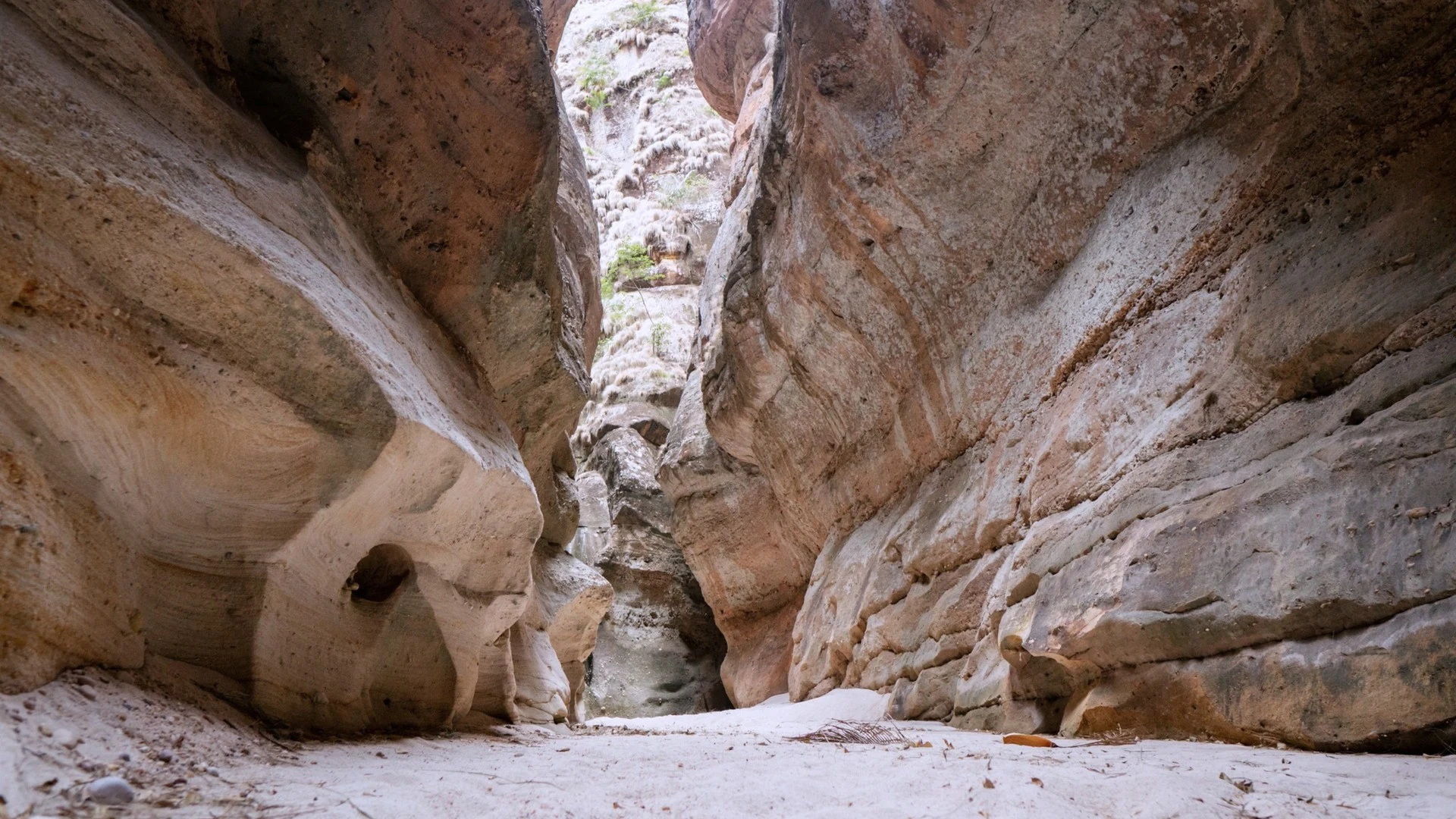
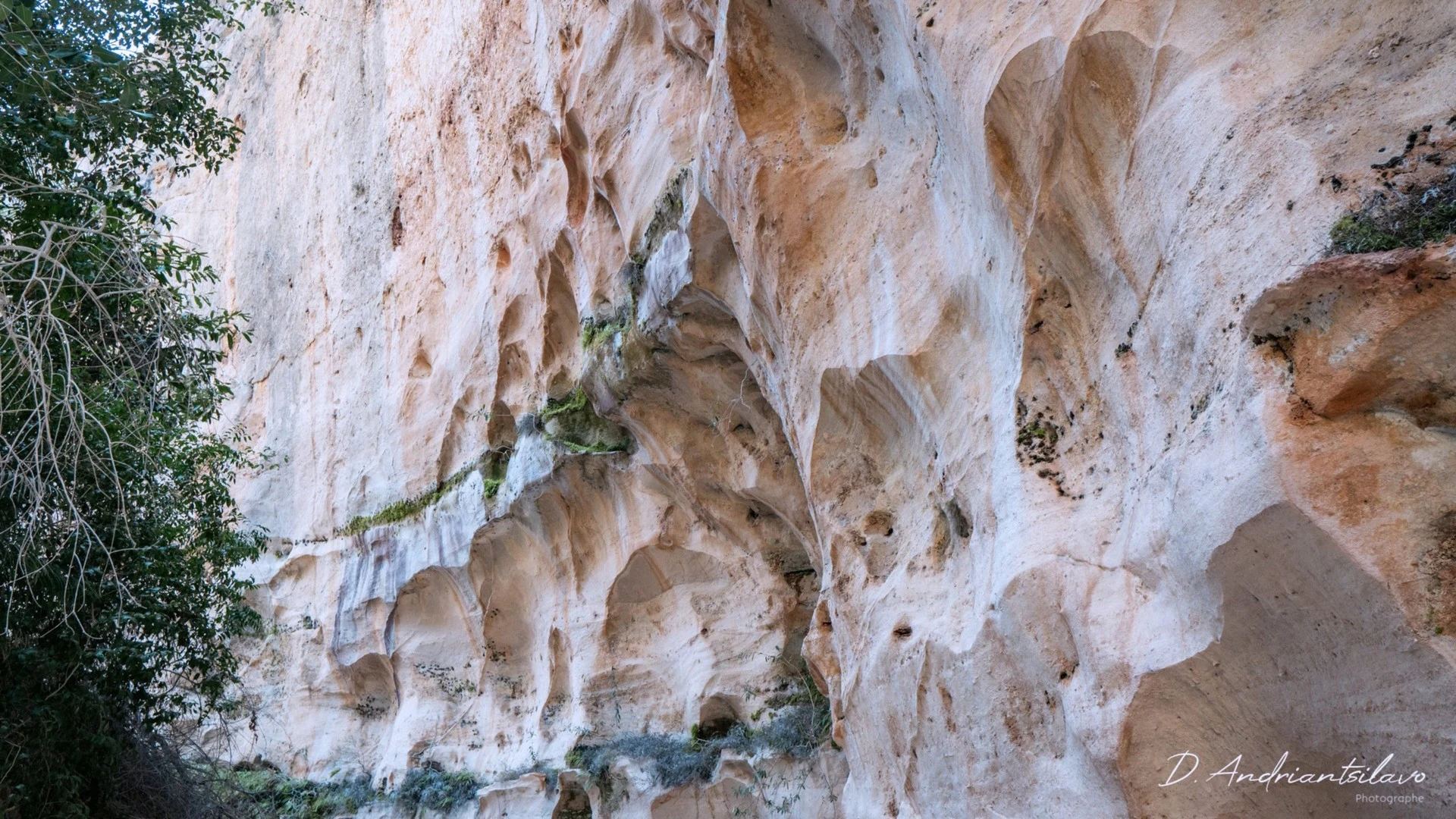
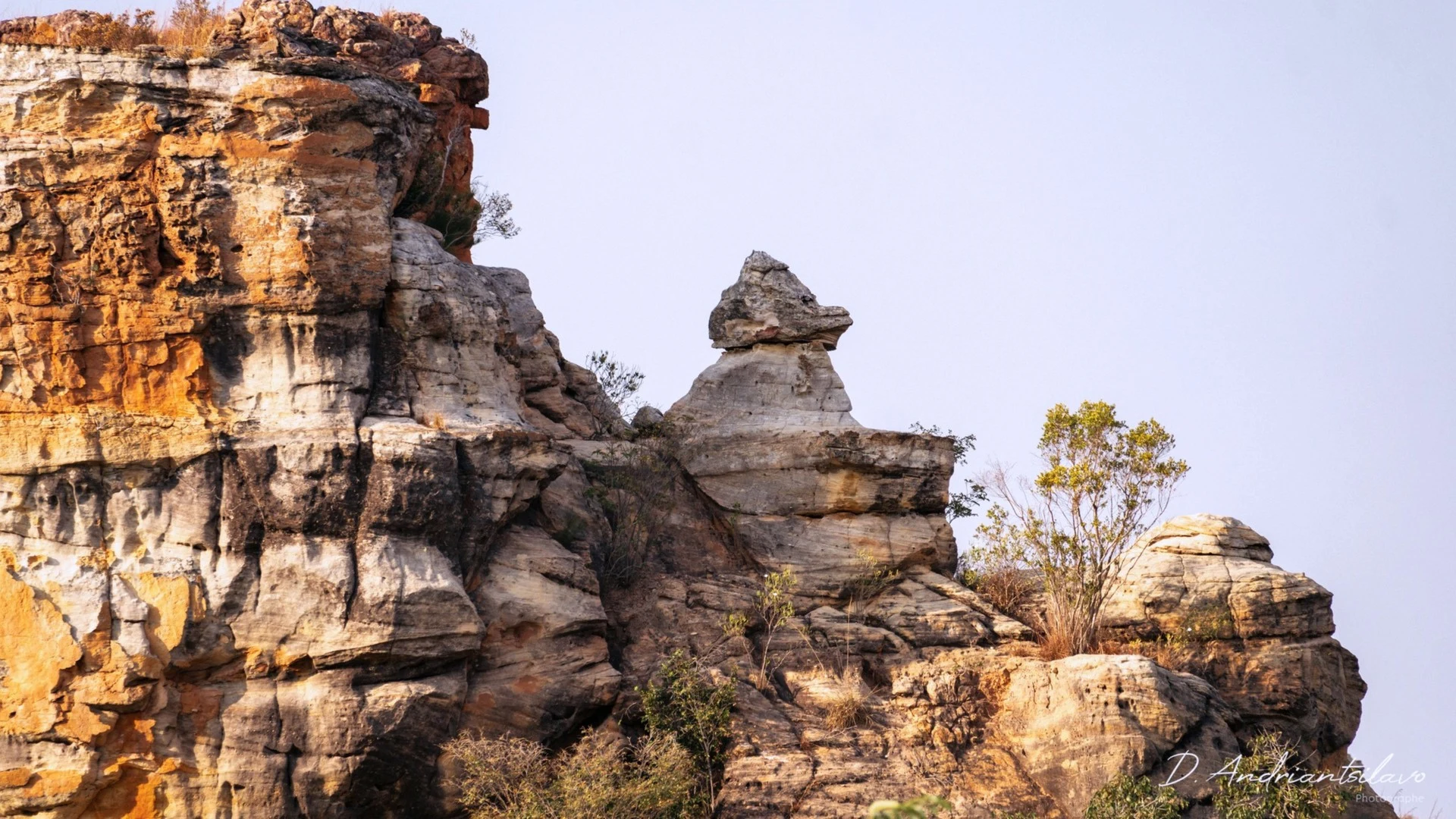
The Makay Massif is a vast, eroded sandstone formation in southwest Madagascar, defined by a spectacular labyrinth of deep canyons, clear rivers, and isolated pockets of forest. Covering nearly 4,000 square kilometers, it is one of the island’s most remote and least-explored wilderness areas, offering an experience centered on multi-day, expedition-style trekking rather than casual day visits.
Unlike the more accessible Isalo National Park to its southeast, the Makay offers a profound sense of isolation. Its rugged topography has created a mosaic of micro-habitats, sheltering a range of species, some of which are still being documented by scientists. Formally granted status as a New Protected Area in 2017, the region is managed for conservation, with tourism being a key component of its protection strategy, led by organizations like NaturEvolution.
Accessing the Makay is a significant logistical undertaking, limited almost exclusively to the dry season. Treks involve navigating challenging terrain, from walking through sandy riverbeds to scrambling over rock formations and wading through canyons. The experience is physical, immersive, and suited for adventurous travelers with a good level of fitness.
Because access is strictly seasonal and logistically complex, itineraries are best planned with operators experienced in the region. These expeditions are fully supported, ensuring both traveler safety and minimal impact on this fragile environment.
Last reviewed: May 2026
Key Takeaways
- A 4,000 sq km protected wilderness in southwest Madagascar
- Accessed via multi-day, fully supported camping treks
- Known for its network of deep sandstone canyons and clear rivers
- Home to at least ten lemur species, including Verreaux's sifaka
- Travel is restricted to the dry season (April–November)
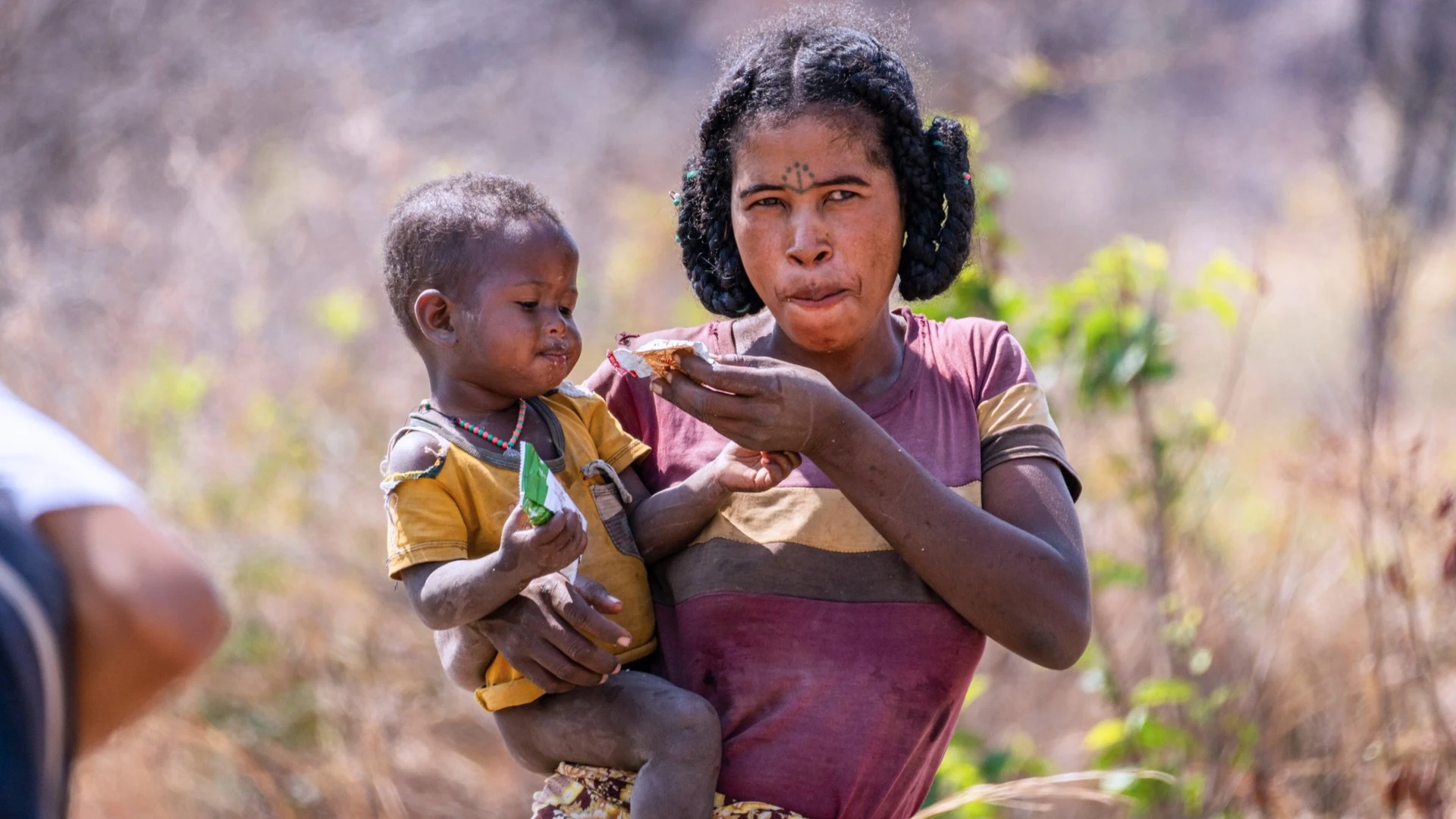
- Local fady (taboos), such as pork prohibitions, must be respected
- Logistically demanding, requiring 4x4 access and experienced guides
In Detail
The Sandstone Labyrinth
+Makay's Flora and Fauna
+An Expeditionary Trek: What to Expect
A journey into the Makay is an expedition, not a simple hike. Treks are the only way to explore the interior and are typically structured as follows:
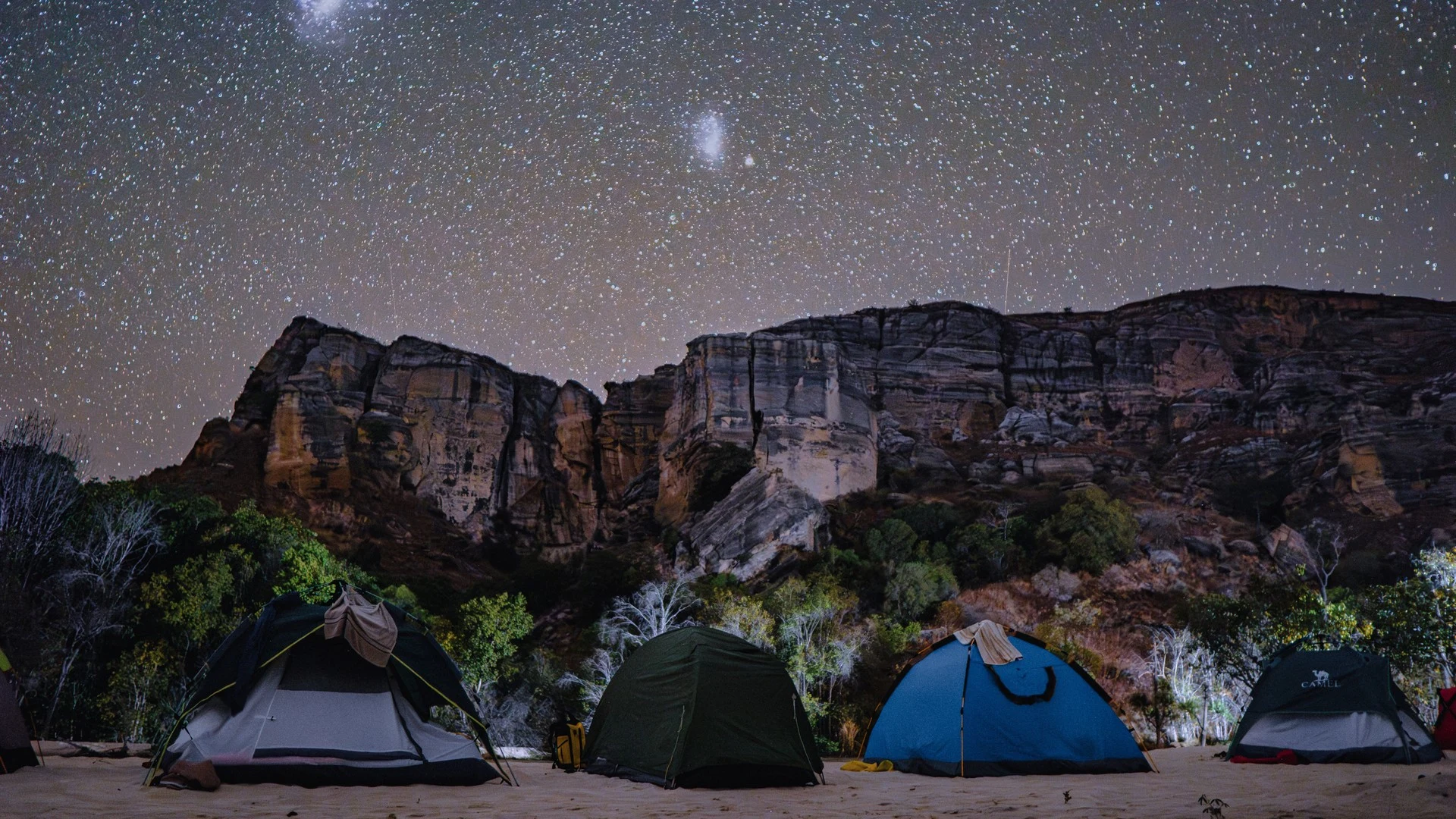
• Format: Multi-day walking routes, usually 4 to 10 days, with nights spent in mobile bivouac camps set up by a support team.
• Terrain: Highly varied, involving long walks in soft river sand, wading through shallow streams, and scrambling over rocks. No technical climbing skill is needed, but a high level of fitness and agility is essential.
• Support: All expeditions are fully catered and supported by a team of local guides, a cook, and porters who manage camp logistics.
• Access: There are no permanent trails. Guides navigate using their deep knowledge of the terrain, with routes adapting to water levels and conditions.
Planning a Makay Expedition
+Cultural Etiquette and Conservation
+Gallery
Frequently Asked Questions
Treks are physically demanding but do not require technical climbing skills. The primary challenges are the duration of the walks (often 5-7 hours per day) and the varied terrain, which includes soft sand, river crossings, and uneven rock. A strong level of walking fitness is essential for enjoyment.
The only viable time to visit is during the dry season, from April through November. Outside this period, heavy rains make the access roads and the canyons themselves impassable and unsafe.
Independent travel to Makay is logistically impractical for most visitors. The region's remoteness requires a fully self-sufficient expedition with a 4x4 vehicle, a licensed guide, a cook, camping gear, and all provisions. For this reason, organized treks are the standard and recommended method of exploration.
Isalo is more developed for tourism, with marked trails, easier road access, and established hotels nearby. The Makay is far more remote, wilder, and can only be explored via multi-day, self-sufficient camping expeditions. The experience in Makay is one of profound isolation and expeditionary adventure.
Sightings are never guaranteed, but common encounters include Verreaux's sifakas, brown lemurs, and nocturnal mouse lemurs. The canyons are also rich in birdlife, reptiles, and amphibians. Your guide is an expert at spotting animals and interpreting their behavior.
Yes, the most important fady for visitors is the strict prohibition of pork within the massif. Your local guide will inform you of any other customs or sacred sites to be aware of during the trek. Showing respect for these traditions is a crucial part of the travel experience.
The treks themselves typically last between 4 and 10 days. However, travelers must also account for the significant travel time required to reach the entry points of the massif from major towns like Toliara or Ranohira, which can take one to two full days of driving each way.