
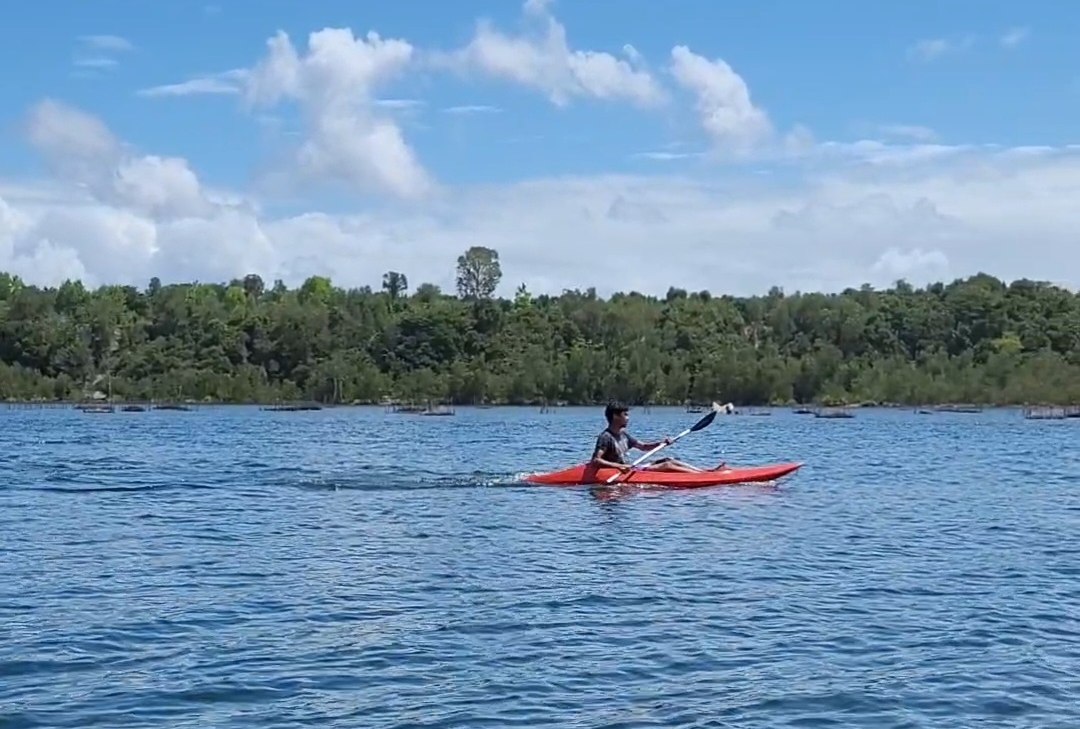
The Pangalanes Canal reveals its secrets to travelers who understand that exclusivity comes from knowing where the navigable waters end and the real adventure begins.
Seven hundred kilometers of waterway stretch along Madagascar’s eastern spine, connecting a chain of lagoons that French engineers linked in the 1940s. The Pangalanes Canal was carved by hand—literally. Nearly 4,000 Asian workers and forcibly recruited Betsimisaraka people spent fifteen years creating this inland passage, safer than the temperamental Indian Ocean beyond the dunes.
Today, sections north of Toamasina and south of Mananjary lie choked with water hyacinths. Large vessels no longer pass. But this botanical blockade has preserved something rare: a waterway where dugout canoes still outnumber engines, where cargo moves at the speed of current, where villages appear and vanish behind walls of pandanus.
Reading the Water
The canal operates on Malagasy time, not tourist schedules. Bush boats follow weather, not timetables. Local captains read water levels like a language—knowing which channels run deep after rains, where sandbars shift with seasons. This knowledge cannot be purchased, only earned through patience and local partnerships.
Smart travelers book through operators who understand the canal’s rhythms. The difference between a memorable journey and a stranded afternoon often comes down to choosing guides who know when to turn back, when to transfer to smaller craft, when water hyacinths signal deeper passages ahead.
Navigation Realities:
Sections remain fully navigable year-round between Toamasina and Lake Rasoabe. Beyond Mananjary, passages narrow to pirogue-width channels threading through floating gardens of water lettuce and sacred lotus. The canal’s most pristine stretches require the smallest boats—and the most experienced pilots.
“The canal rewards travelers who move at the speed of water, not the urgency of itineraries.”
Villages Between Waters
Betsimisaraka settlements cluster where fresh water meets brackish, where canal opens into natural lakes. Houses stand on stilts above seasonal floods. Children navigate to school by pirogue. Women wash clothes at wooden platforms extending over dark water that mirrors traveler’s palms and giant elephant ears.
These communities exist largely separate from Madagascar’s highland culture. Coastal traditions blend Malagasy ancestry with maritime rhythms. Evening meals feature brackish-water fish prepared with wild ginger harvested from canal banks—flavors that echo the distinctive tastes found nowhere else on the island.
Accommodation Along the Route:
Canal-side lodging ranges from village guesthouses with shared walls and shared meals to eco-lodges where solar panels charge satellite communications. The finest properties position rooms to catch morning mist rising from still water, evening light filtering through ravenala groves. Comfort levels correlate directly with advance planning and budget flexibility.
Seasonal Strategies
Dry season reveals sandbars and exposes canal engineering—stone-lined channels, wooden lock systems, places where natural lagoons connect to artificial cuts. Wet season raises water levels, opening passages to hidden lakes but complicating navigation through faster currents and floating debris.
May through October offers clearest water and most reliable transport schedules. November through March brings dramatic afternoon storms that can strand boats for hours—but also provides the most spectacular light for photography and the richest bird activity as migrants arrive from across the Indian Ocean.
Integration with Broader Itineraries:
The canal connects naturally with Palmarium Reserve at its northern terminus and Mananjary’s weekly markets at its navigable southern limit. Travelers often combine canal journeys with highland circuits, using the waterway as a contemplative interlude between more intensive wildlife experiences.
The contrast works particularly well: from lemur tracking in mountain forests to gliding past fishing villages where time moves with tides. The canal teaches patience—a quality that enhances every other Madagascar experience that follows.
NAVIGATE MADAGASCAR’S HIDDEN WATERWAYS
We arrange canal expeditions with guides who understand both currents and culture, ensuring access to Madagascar’s most contemplative journey.