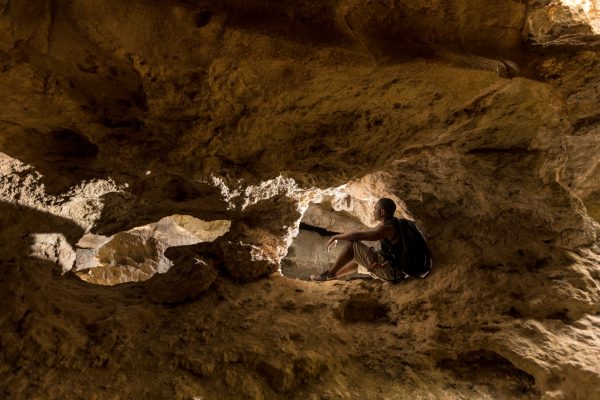
Bemaraha National Park, a UNESCO World Heritage Site, is a remarkable natural destination known for its dramatic limestone formations called the Tsingy. Before setting off to explore it, it is useful to know a few key details to avoid any unexpected surprises.
The park is open to visitors from mid-April to mid- to late November, during Madagascar’s dry season. However, due to unpredictable weather conditions, the opening date may vary slightly each year. Outside this period, heavy rains make the roads impassable and the park remains closed.
The main access point is the village of Bekopaka, located on the southern edge of the park. Most travelers arrive by 4×4 from Morondava, a journey of about nine hours on rough tracks, or via the Tsiribihina River, traveling by barge or canoe with a stop in the village of Belo. This river route takes at least three days but offers a more immersive experience.
Entry tickets and the mandatory guide booking are handled directly in Bekopaka. The park is open daily from 6:30 am to 4:30 pm, with an entrance fee of around 55,000 Ariary per person, not including guide fees. Several trails are available, ranging from easy walks to more technical routes that require harnesses and suspended bridges. If it is your first time, it is best to start with a beginner-friendly circuit.
During peak season, especially in July and August, guides can get booked quickly. It is highly recommended to reserve in advance.
In terms of accommodation, there are several good hotels around the park or within a few kilometers, offering comfortable stays without being overly luxurious.
It is important to come well prepared. Sturdy shoes, appropriate hiking clothes, sunscreen, and plenty of water are essential. The park is a haven of biodiversity, home to lemurs, rare birds, and endemic plants in a protected natural environment.
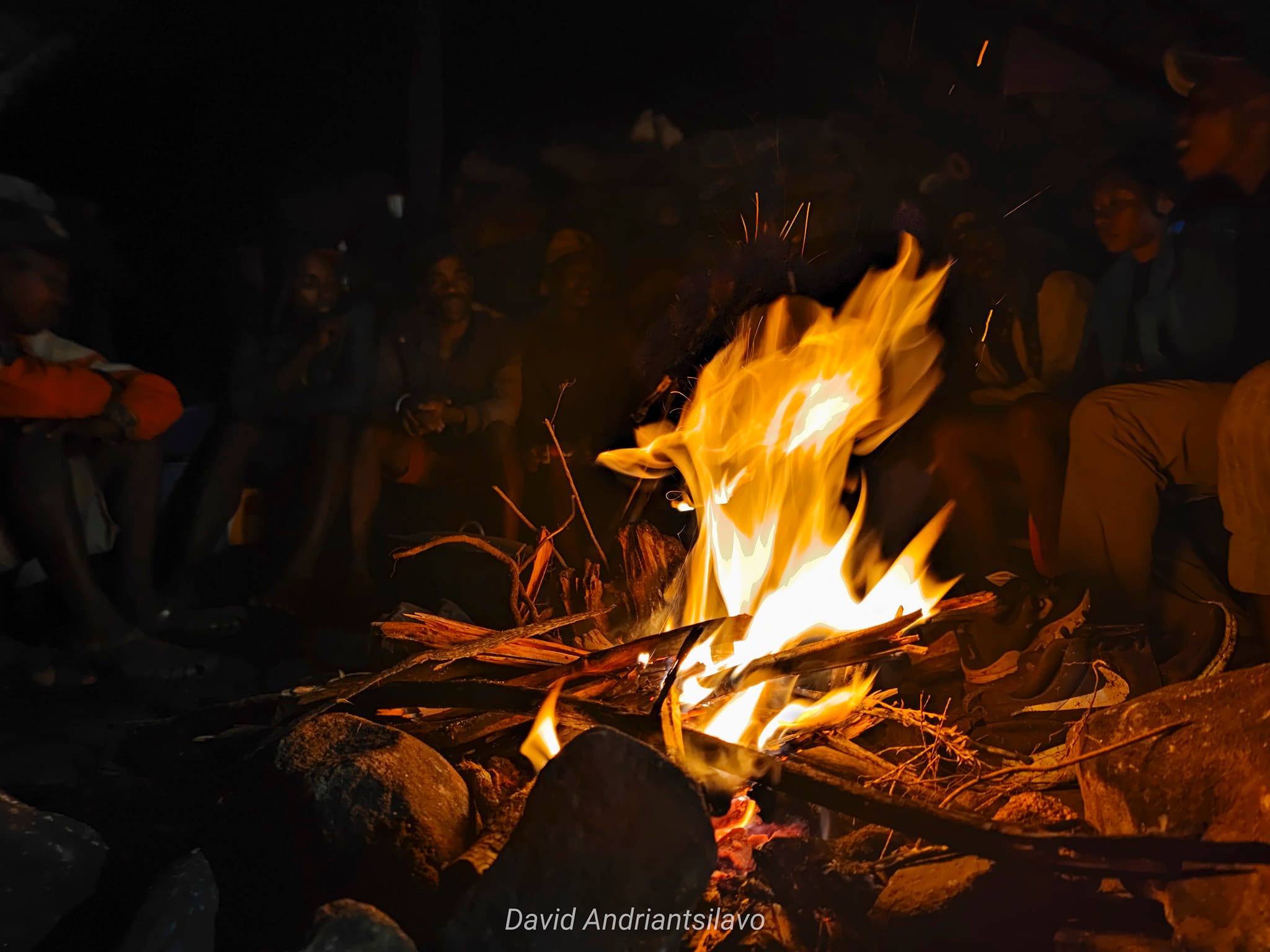
Foreign travelers should ensure they have a valid passport, visa, recommended vaccinations, and malaria prevention treatment. For safety reasons, it is strongly advised to travel in groups or with a certified tour operator, avoid unofficial guides, and follow all local regulations. Avoid isolated areas at night if camping, and always check with your agency for the latest local safety updates before your trip.