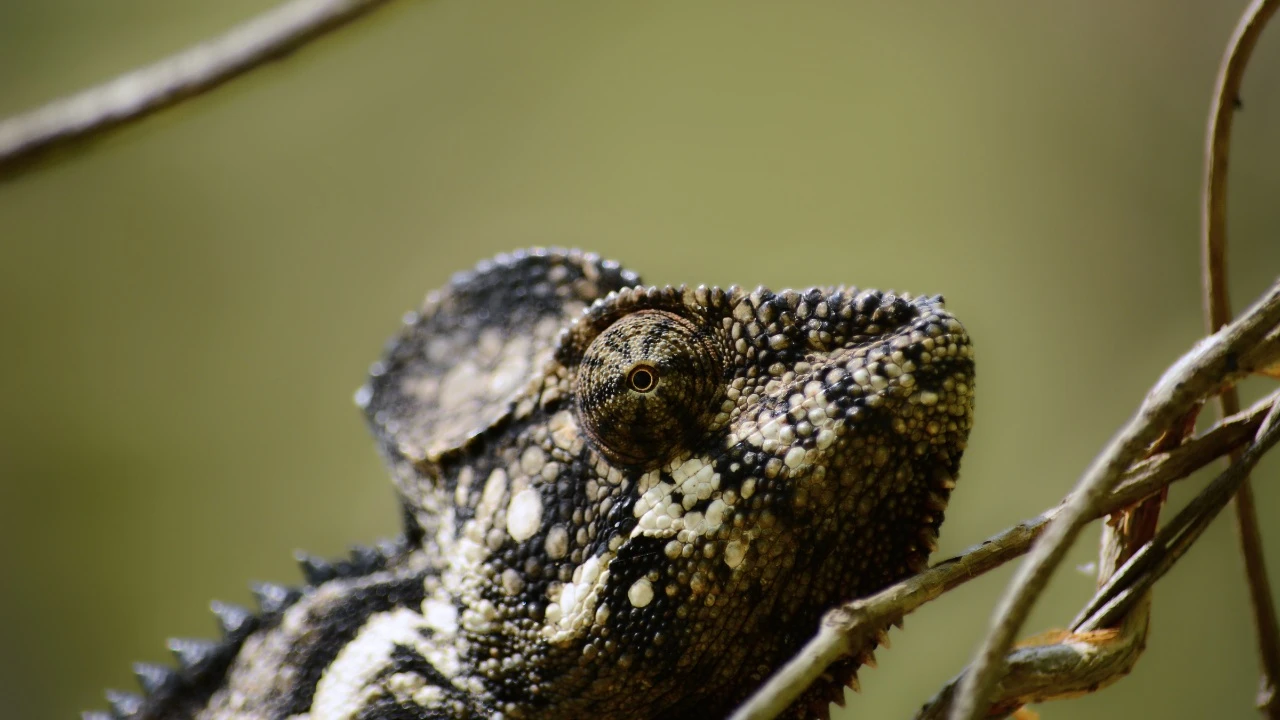

Beza Mahafaly Special Reserve: A Crucible of Science & Culture
a rare alliance of spiny forest, primate research, and ancestral land
The light arrives in thin, horizontal blades, cutting through the spectral forms of the spiny forest. In the heat of Madagascar’s deep south, the air is motionless, scented with dry earth and the faint, sweet dust of tamarind pods. This is a silence that is not empty, but filled with the patient, watchful energy of a landscape where every living thing is armed, conserved, and waiting for the cool of night.
This is Beza Mahafaly Special Reserve, a protected area defined by its contrasts. It is a diptych of ecosystems: a dense, otherworldly spiny forest of thorny octopus trees and a lush gallery forest—a ribbon of green sustained by the ephemeral Sakamena River. This sharp divide creates a compact, dynamic environment for an unusual density of wildlife adapted to both worlds.
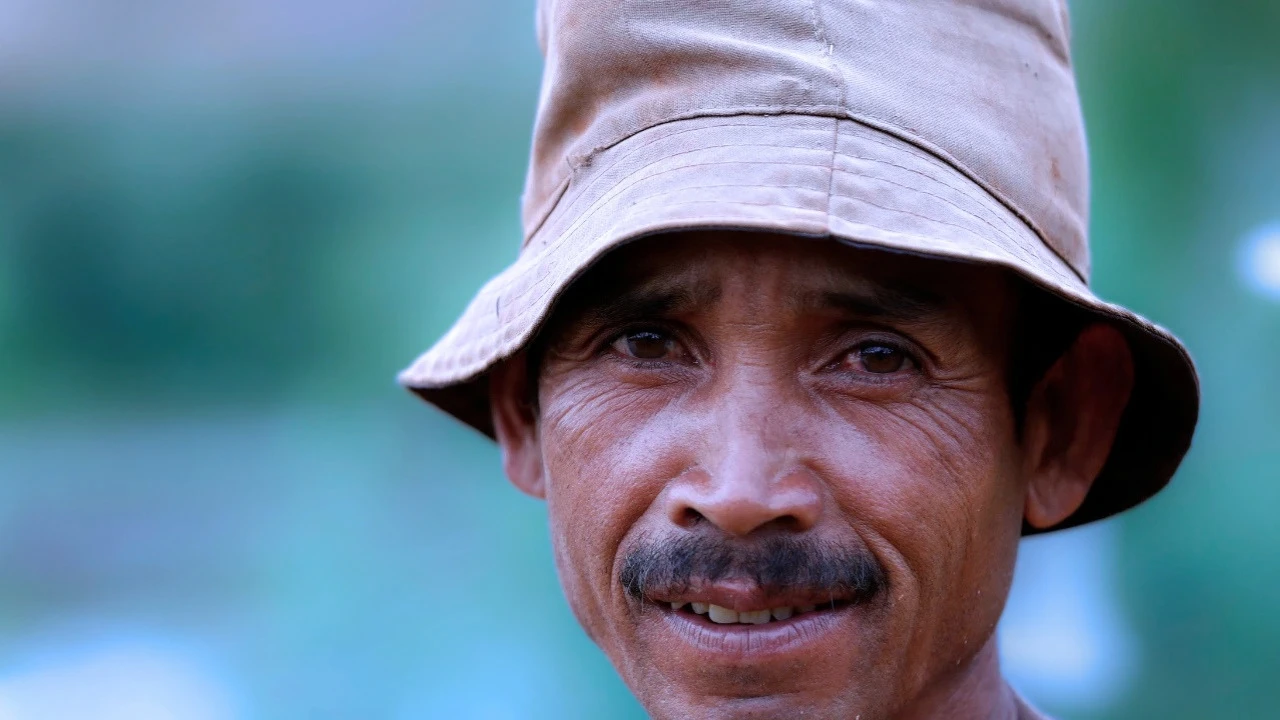
The reserve’s true distinction, however, is human. This is a landscape held in a four-decade trust—a working pact between the ancestral authority of the local Mahafaly people, Madagascar’s National Parks, and a lineage of international field scientists from Yale University. The place exists because of this relationship.
Access is by private charter or a demanding 4×4 transfer from Toliara — which is why this ecosystem remains genuinely off the standard circuit.
Why Visit
- A living laboratory—one of the world’s longest-running primate research projects
- Walk among habituated Verreaux's sifakas and ring-tailed lemurs
- A critical sanctuary for the endangered Radiated tortoise
- Explore two distinct biomes: spiny desert and riverine gallery forest
- A pioneering model of community-managed conservation
- Accessible only by 4x4 or private charter—a truly remote destination
Explore in Detail
Landscape & Geography
+The Experience
+When to Go & Access
The only practical time to visit is during the cooler dry season, from June to November. During these months, wildlife is more active and concentrated near the river, and the unpaved tracks are more reliable. Access is a significant part of the journey. The reserve is reached via a long, multi-hour 4x4 drive from Toliara or by private charter flight to a nearby airstrip. This logistical challenge is precisely what protects the integrity of the reserve, ensuring visits are intentional and low-impact. The wet season (December–March) can render road access impossible.
Conservation & Community
+Wildlife to Encounter
Frequently Asked Questions
The experience is centered on science and conservation in action, not just tourism. It's an active research station, offering deeper context and interaction with highly habituated primates studied for decades, making it a more academic and intimate encounter.
The dry season, from June through November, is the only recommended time. This period offers milder temperatures, clear paths, and more reliable access, as the wet season can make the region's dirt tracks impassable.
Walks are generally on flat ground and are not strenuous in terms of distance. The main challenge is the heat and aridity of the environment. The pace is slow and observational, prioritizing quiet immersion over physical exertion.
A minimum of two nights and three days is essential. This allows sufficient time to justify the challenging transfer, settle into the rhythm of the research camp, and experience both day and night walks without being rushed.
While not guaranteed, interacting with the field scientists is a core component of the experience. Visits are planned to complement the ongoing research, and guides are often part of the scientific team, providing direct insight into their work.
Facilities at Beza Mahafaly are simple and functional, often in the style of a research field camp. The focus is squarely on authentic access to the environment and its guardians, rather than on conventional luxury.
In the Field
Private Expeditions
Ready to Experience the Wild?
Every journey is tailor-made by our Madagascar experts — seamless, private, and unforgettable.