

Isalo National Park: A Theatre of Stone and Sky
jurassic sandstone canyons, hidden oases, and sacred bara territory
The first light catches the highest escarpments in a wash of saffron and rose-gold. The air is cool and thin, carrying the scent of dry earth, not the humid tangle of the eastern jungles. This is a realm of immense scale and silence, a world carved from sandstone.
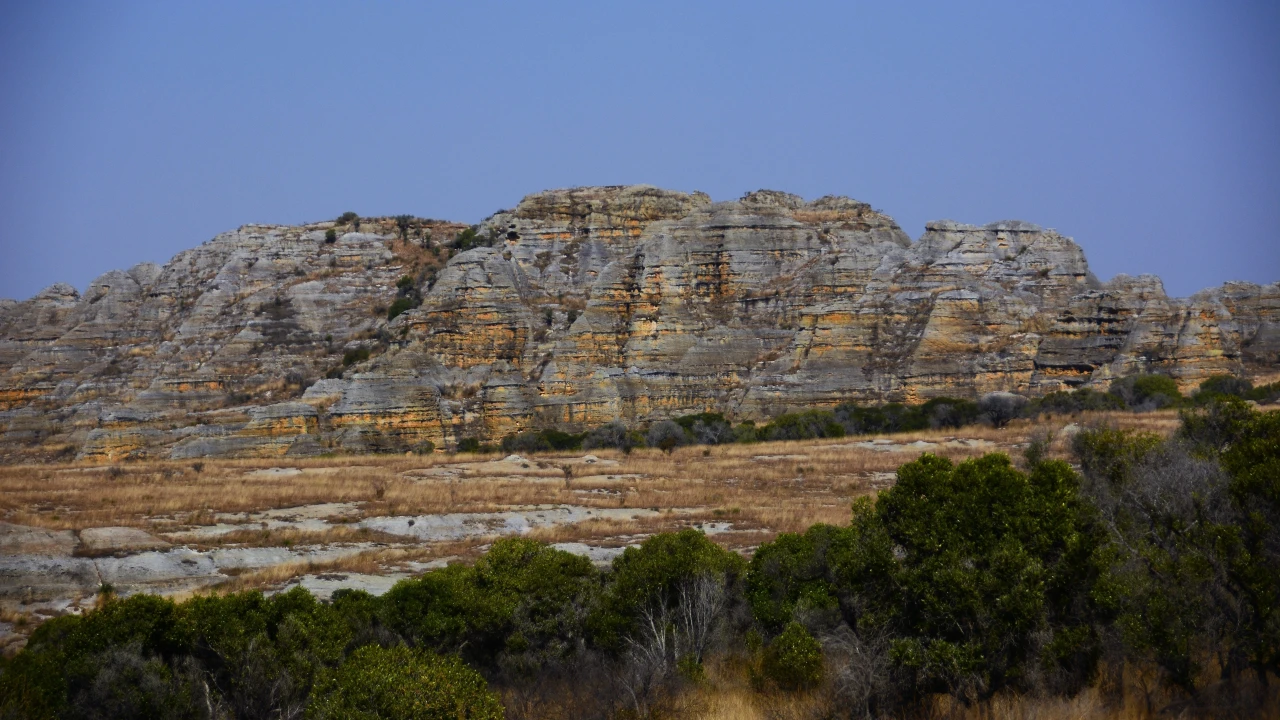
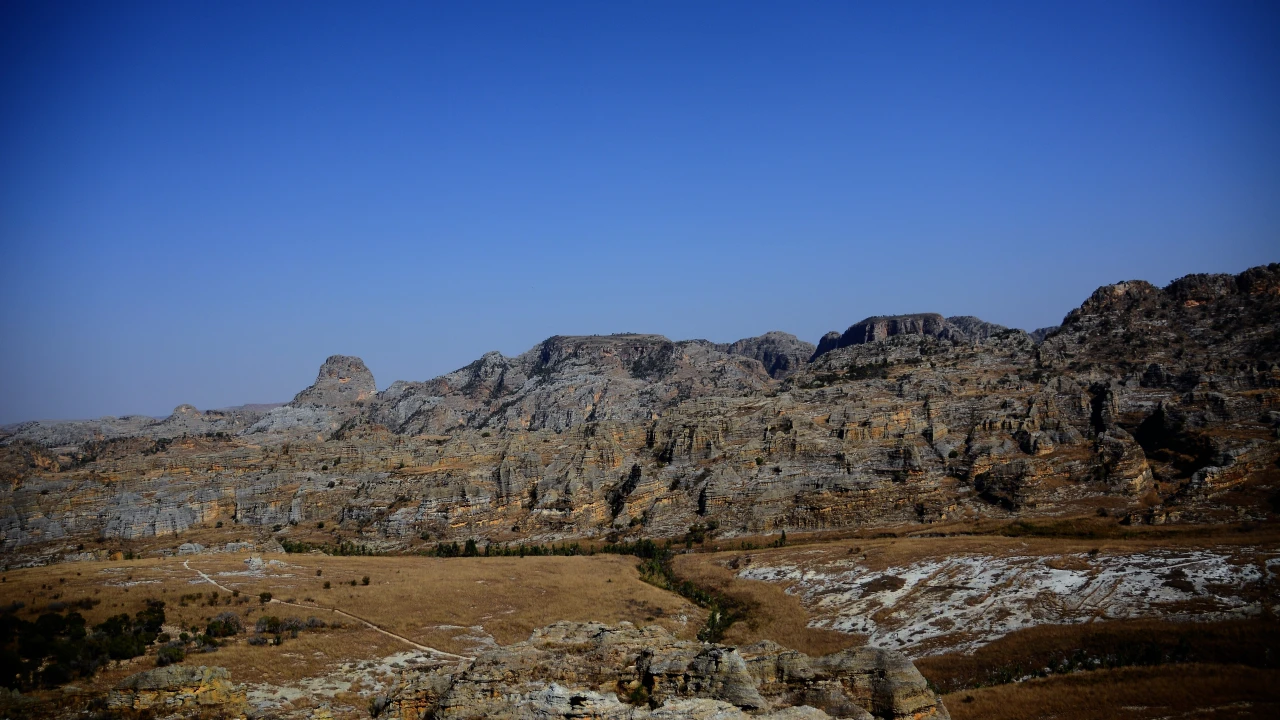
Known as Isalo National Park, this immense Jurassic-era massif is a masterpiece of erosion. Over millennia, wind and water have sculpted the rock into a labyrinth of deep canyons, sheer cliffs, and fantastical formations that stand against the sky like the ruins of some ancient city.
This is also the sacred ground of the Bara people. For centuries, the canyons have served as burial sites, layering this geological deep time with a palpable human history. To walk here is to move through a landscape that is both a wilderness and a living cultural archive.
The difference between a hurried roadside stop and a meaningful visit here lies in the quality of the guide who can interpret its geology and lead to its quietest oases.
Why Visit
- Swim in a natural oasis after a long canyon trek
- Jurassic sandstone massif with dramatic 'ruiniforme' formations
- See Ring-tailed lemurs sunning themselves on warm rock ledges
- Sacred burial caves of the Bara people hidden within the canyons
- Witness the rock arch of the 'Window of Isalo' ignite at sunset
Explore in Detail
Landscape & Geography
+The Experience
+When to Go & Access
The dry season, from May through October, offers the best conditions for trekking, with pleasant daytime temperatures and minimal rain. The park is a major landmark along the Route Nationale 7 (RN7), accessible via a private 4x4 transfer from the nearby town of Ranohira. The roads demand a capable vehicle and driver. Planning these multi-day transfers is a critical component of any southern Madagascar itinerary, as distances are significant.
Conservation & Community
+Wildlife to Encounter
Frequently Asked Questions
A minimum of two full days is recommended. This allows for at least one significant canyon trek to a natural pool and the chance to experience a sunset over the massif without being rushed.
The trails range from easy walks to more strenuous full-day treks. Most classic routes involve descents into canyons and hiking over uneven, rocky terrain in sunny conditions, requiring a moderate level of fitness.
The dry season from May to October is ideal. During these months, the weather is dry and sunny, trail conditions are excellent, and daytime temperatures are pleasant for hiking.
Swimming in the 'piscine naturelle' and other designated oases is a highlight. The water is refreshingly cool and clear, offering a perfect reward after a morning of trekking through the canyons.
Isalo is located along the main RN7 highway, but access to trailheads and prime lodges requires a 4x4 vehicle. Transfers are typically arranged as part of a larger private itinerary from hubs like Toliara or Fianarantsoa, as self-driving is not advised.
In the Field
Private Expeditions
Ready to Experience the Wild?
Every journey is tailor-made by our Madagascar experts — seamless, private, and unforgettable.


