
Kirindy Mite National Park: Realm of the Fosa
dry deciduous forest, domain of the fosa, and madagascar's nocturnal heartland
The air is dry, tasting of dust and sun-baked tamarind wood. Here, in the deciduous west, the forest floor crackles underfoot—a sound that replaces the chorus of a rainforest. This is a landscape of profound stillness, where light filters through skeletal branches to pattern the ochre-colored earth, and every rustle in the leaf litter signals a story.
This is Kirindy Mite National Park, a reserve protecting one of the planet’s most threatened ecosystems: the dry deciduous forest. Unlike the island’s humid eastern half, this is a world of seasonal adaptation, where trees shed their leaves to survive the dry months. This very starkness, however, offers an unmatched clarity for spotting wildlife against a silver-grey architecture of gnarled branches, turning the forest into a theater of cryptic encounters.
Success here is not measured in kilometers hiked, but in the patience and knowledge shared by a local guide. To visit Kirindy is to learn a new language of tracking—one written in faint claw marks on a baobab, a freshly bent twig, or the distant alarm call of a coua, signaling the movement of something larger.
Reaching this forest requires a dedicated 4×4 transfer over rough tracks—which is precisely why its wildlife encounters remain so private and uncrowded.
Why Visit
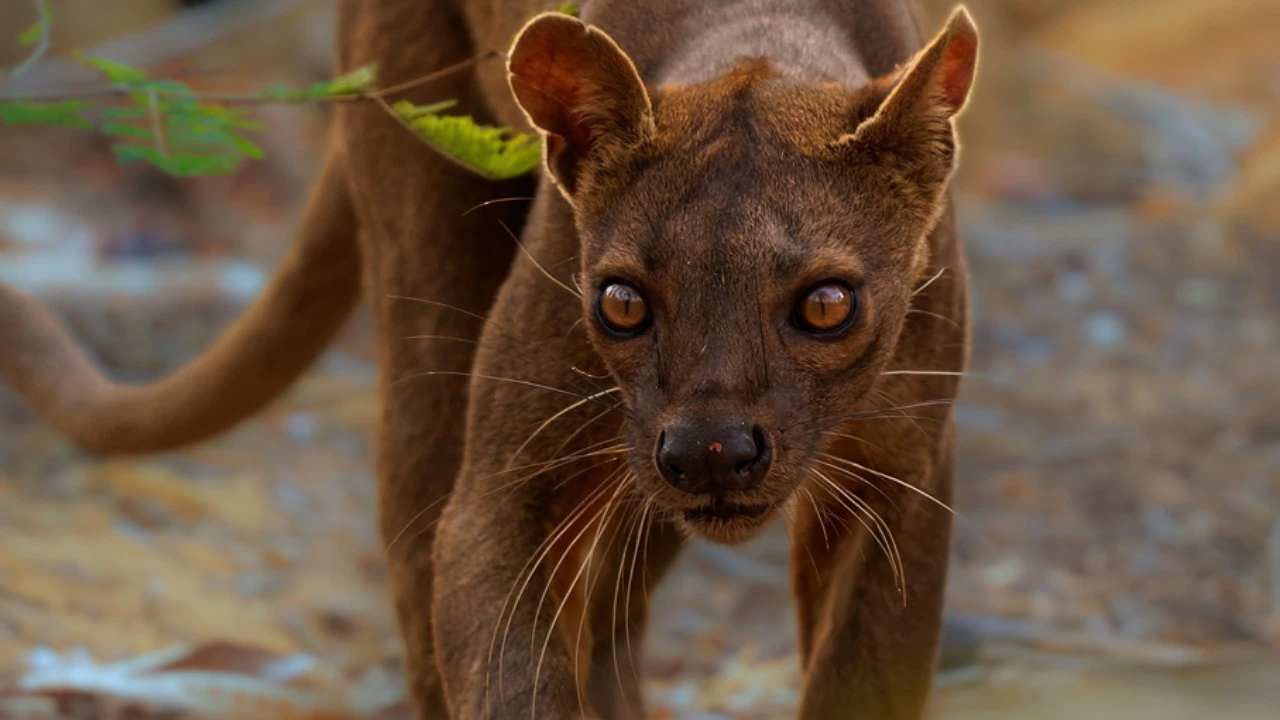
- The undisputed best place in Madagascar to track the fosa
- Home to the world's smallest primate, Madame Berthe's Mouse Lemur
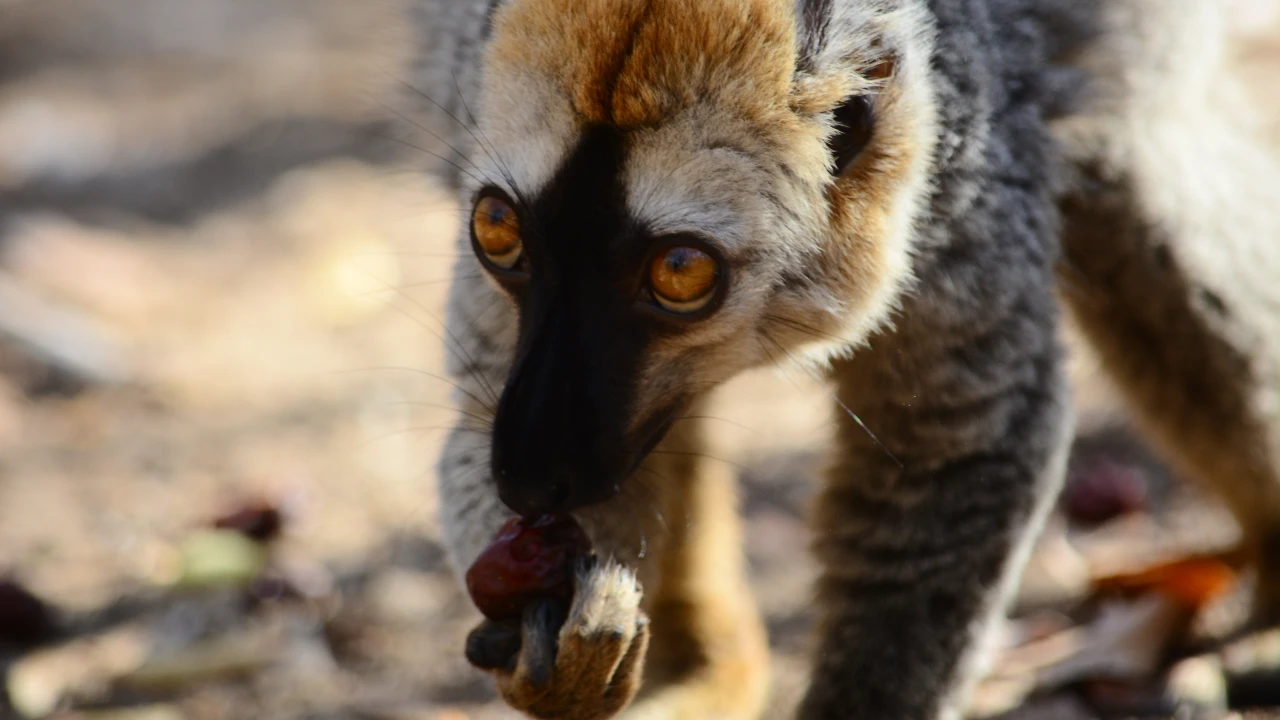
- Exceptional guided night walks to see seven nocturnal lemur species
- Dry forest offers clear wildlife viewing during the June–November season
- Observe Verreaux’s Sifakas moving between spiny octopus trees
- Accessible only by 4x4, ensuring a genuinely off-circuit feeling
Explore in Detail
Landscape & Geography
+The Experience
+When to Go & Access
The prime time to visit is during the cool dry season, from June through November. During these months, the thinned-out foliage provides the best visibility for wildlife, and animals tend to congregate near the few remaining water sources. Access to Kirindy Mite is via a rough, unpaved track from Morondava, a journey of approximately two to three hours by 4x4 only. The transfer itself is part of the experience, passing through rural landscapes. During the wet season (December to March), this track can become difficult or impassable.
Conservation & Community
+Wildlife to Encounter
Frequently Asked Questions
While Kirindy Mite is the best place in Madagascar to see a fosa, sightings are never guaranteed. Success depends on luck, timing, and the skill of your guide. Planning for at least two days in the park significantly increases your chances, as guides can track their movement and known territories.
The terrain is mostly flat, but walks are rated as Moderate due to the heat, dry air, and uneven ground covered in leaf litter and roots. Hikes are focused on wildlife tracking, not distance, and are generally suitable for anyone with a good standard of walking fitness.
A guided night walk is fundamental to the Kirindy Mite experience. A remarkable number of the park's inhabitants, including seven species of lemur, are strictly nocturnal. Without a night walk, you would miss more than half of the area's specialized biodiversity.
The dry season, from June to November, is by far the best time. The sparse vegetation makes spotting wildlife much easier, and the cooler, drier weather is more comfortable for walking. Access roads are also more reliable during this period.
A minimum of two days and one night is recommended to do the park justice. This allows for daytime walks and a dedicated night walk to patiently track key species like the fosa without feeling rushed. A second night deepens the opportunity significantly.
The park is reached from the town of Morondava. The transfer requires a private 4x4 vehicle and takes approximately two to three hours on a bumpy, unpaved road. The journey is part of the adventure and cannot be done with a standard car.
In the Field
Private Expeditions
Ready to Experience the Wild?
Every journey is tailor-made by our Madagascar experts — seamless, private, and unforgettable.


