Manombo Special Reserve: The Last Littoral Forest Nocturne
a final fragment of littoral forest, home to nocturnal lemurs and ancient tortoises
As the last light drains from the sky, the air grows thick and alive. The heat of the day, trapped beneath a low canopy, releases the scent of damp earth, salt, and unseen blossoms. The soundscape shifts from the calls of diurnal birds to the resonant, almost electric thrum of insects tuning their nightly orchestra. The ground underfoot is soft, yielding. This is not the hard, laterite earth of the highlands; it is sand.
This is Manombo Special Reserve, a littoral forest — a fragment of a nearly vanished ecosystem that once fringed Madagascar’s eastern coast. Unlike the island’s grand, spired rainforests rooted in volcanic soil, this world is born of the Indian Ocean, its ecology shaped by the constant, subtle influence of sand and sea spray. Less than ten percent of this habitat remains anywhere on the island, making Manombo a final, critical refuge.
To step into Manombo after dusk is to cross a threshold, a journey demanding reliance on sound, on the faint crunch of a leaf, on the beam of your guide’s torch painting fleeting portraits in the dark. The grand narrative of Madagascar’s evolution is told here not in sweeping vistas, but in the whispers and shadows of a forest holding its breath against the tide.
Positioning Manombo correctly within an itinerary — as a deep-wildlife counterpoint to the highlands, or before moving north along the coast — changes what the visit can actually deliver.
Why Visit
- Explore one of Madagascar's last protected littoral (coastal) forests
- Exceptional guided night walks for nocturnal species
- Search for the critically endangered White-collared Lemur
- Observe Radiated Tortoises in their natural forest floor habitat
- A genuinely remote destination, far from the main tourist circuit
- An ecosystem rooted in sand, shaped by the Indian Ocean
Explore in Detail
Landscape & Geography
+The Experience
+When to Go & Access
The best time to visit is during the dry season, from April through October, when trails are most manageable and nocturnal wildlife is active. Manombo is located in the Atsimo-Atsinanana region of southeast Madagascar. Access is via the regional hub of Farafangana, followed by a ground transfer to the reserve. The journey itself is an immersion into a secluded and seldom-visited part of the island, and the logistics underscore the park's isolation. Road conditions can be challenging, particularly at the shoulders of the wet season, requiring a robust 4x4 vehicle and a patient frame of mind.
Conservation & Community
+Wildlife to Encounter
Frequently Asked Questions
A minimum of two days and one night is essential. This allows for the transfer time from Farafangana and provides for at least one immersive night walk, which is the core experience of the reserve.
It is a rare type of coastal forest that grows on sandy soil, directly influenced by the proximity of the ocean. Manombo is one of the last and most important remaining examples of this fragile ecosystem in Madagascar.
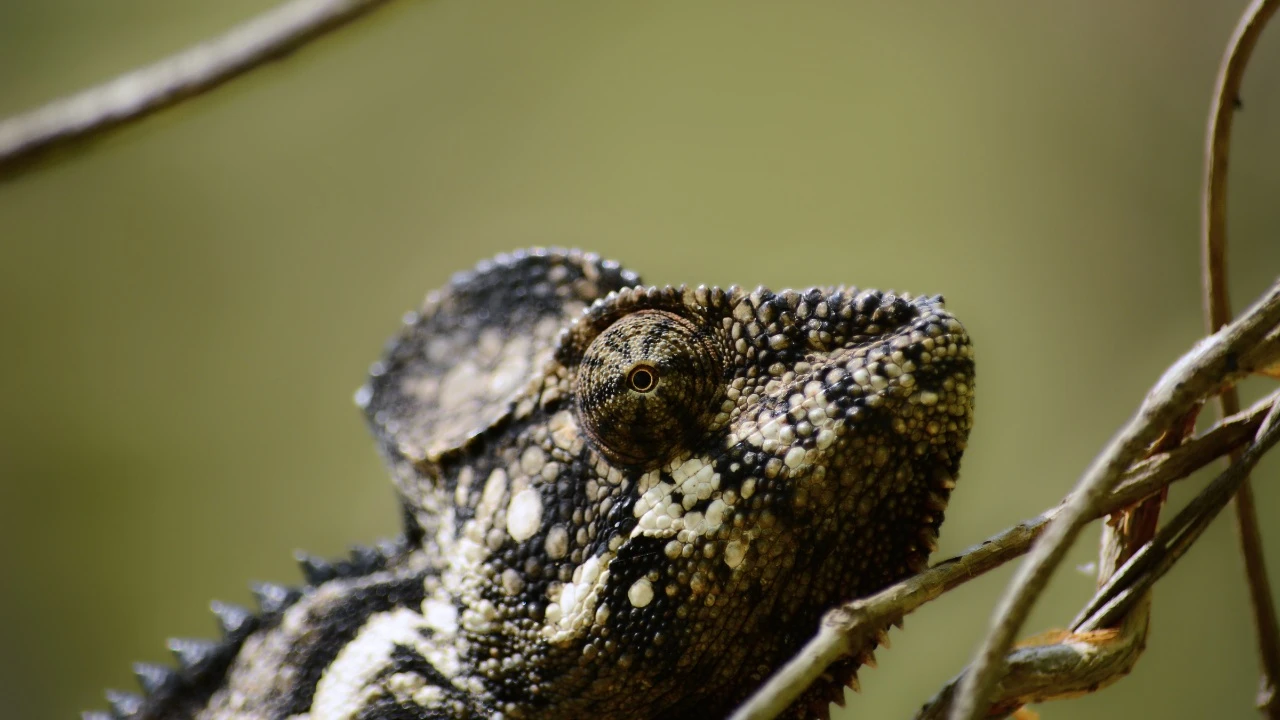
The primary focus is the guided night walk. The reserve is a different world after dark, and this is the only way to experience its unique nocturnal fauna, including several species of lemur and chameleon.
Access is a significant part of the experience. It requires a 4x4 ground transfer from the regional town of Farafangana. The remoteness is precisely why the reserve remains so pristine and seldom-visited.
The walks are on flat, sandy terrain and are not strenuous in terms of elevation gain. However, they take place at night on uneven trails. Good balance, sturdy footwear, and a degree of patience are more important than peak aerobic fitness.
No wildlife sighting is ever guaranteed. Manombo offers a chance to see some of Madagascar's rarest nocturnal creatures in their natural habitat, but success depends on guide skill, weather, and luck. The process of searching is the experience itself.
In the Field
Private Expeditions
Ready to Experience the Wild?
Every journey is tailor-made by our Madagascar experts — seamless, private, and unforgettable.


