
Tampolo Marine Park: Coastal Forest and the Song of Whales
a littoral rainforest meeting the sea, where humpback whales sing in sheltered bays
The air, heavy with salt and the faint perfume of clove, is cool before dawn. From the deck of the dhow, the first sound is the wash of waves on basaltic shores. Then comes a low, resonant thrum that travels not through the air, but up through the water, vibrating through the hull itself. It is a presence felt before it is seen, a bass note that signals the waking of the titans in the bay below.
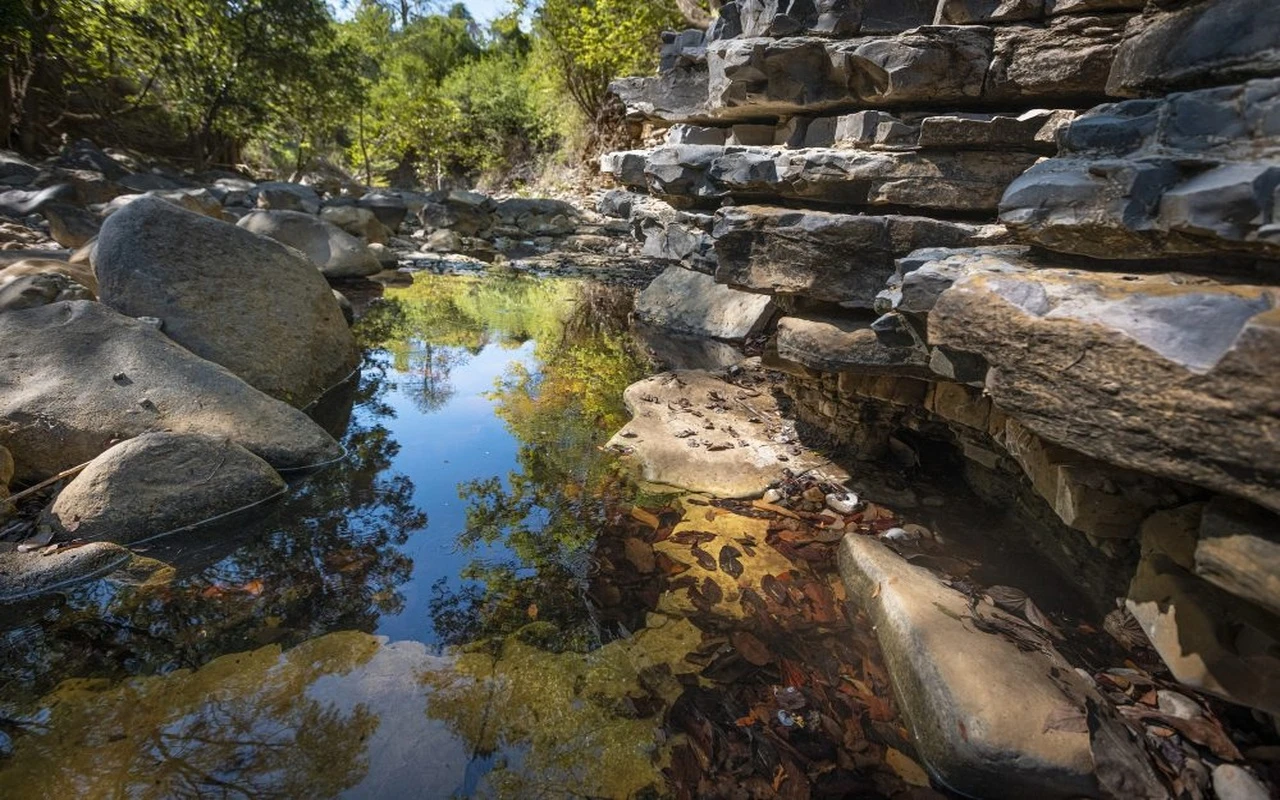
Tampolo Marine Park protects a rare convergence of ecosystems on Madagascar’s northeastern coast. Here, the last stands of littoral rainforest, a forest type adapted to salt spray and sandy soil, grow directly to the high-tide line. This blurring of land and sea creates a sheltered, nutrient-rich environment that, from July to September, becomes the primary calving ground for humpback whales migrating from Antarctica.
The communities here live by the rhythm of the sea, their knowledge passed through generations. Guides are not simply boat captains; they are men of the coast who read the subtle shifts in water texture and the behavior of seabirds to navigate these ancestral waters. Their expertise is rooted in a deep, lived-in understanding of this specific marine world.
Access is by private boat charter, a deliberate expedition beyond the reach of standard routes. This is why this marine ecosystem remains so profoundly intact and private.
Why Visit
- Witness humpback whales calving and nursing from July to September
- Guided in-water encounters with singing humpback whales
- Explore rare littoral forest where ancient trees meet the ocean
- Snorkel or dive on healthy, uncrowded coral reef systems
- Reachable only by private charter, ensuring genuine solitude
- Sightings of Green and Hawksbill sea turtles on vibrant reefs
Explore in Detail
Landscape & Geography
+When to Go & Access
The prime window for Tampolo is July through September, coinciding with the peak of the humpback whale migration. The weather is typically dry and stable during this period. April to June and October to November offer excellent conditions for marine exploration, albeit with fewer whales. Access is the defining logistical challenge and the key to the park's solitude. It requires a coordinated private boat charter from the nearest port, often combined with a charter flight and 4x4 transfer. This journey is an integral part of the expedition, demanding significant advance planning and precluding any possibility of casual day-trips.
The Experience
+Conservation & Community
+Wildlife to Encounter
Frequently Asked Questions
The peak season for humpback whale sightings is from early July through the end of September. This is when mothers arrive to give birth and nurse their calves in the calm, protected waters of the bay.
This is a carefully managed, non-intrusive activity. Following strict codes of conduct, you slip into the water with a guide at a respectful distance from the whales. The goal is not to swim 'with' them, but to float passively and observe, listening to their songs and experiencing their presence in their own environment.
The activities themselves—boating, snorkeling—are not strenuous, but the journey requires a degree of resilience. Access involves boat transfers, sometimes in choppy water, and a general comfort with remote, expedition-style travel. Confidence in the water is essential for snorkeling and in-water encounters.
A minimum of three nights (four days) is recommended to make the journey worthwhile. This allows for at least two full days on the water, accommodating for weather and providing ample opportunity for meaningful whale and wildlife encounters without feeling rushed.
For families with older, adventure-ready teenagers who are strong swimmers and have a passion for wildlife, it can be a life-changing experience. Due to the remote location, long travel days, and nature of the in-water activities, it is generally not recommended for young children.


Private Expeditions
Ready to Experience the Wild?
Every journey is tailor-made by our Madagascar experts — seamless, private, and unforgettable.