
In Madagascar, a simple greeting is never simple. It is a negotiation of respect, a nod to ancestry, and an invitation.
You will not need a phrasebook for your journey through Madagascar. The traveler who arrives with a list of memorized salutations often misses the point entirely. A few words of Malagasy, correctly pronounced, are a gesture of respect and will be warmly received. But the real currency of connection here is not vocabulary; it is an understanding of context.
The rhythm of a conversation, the deference to an elder, the patient silence before a question is answered—these are the elements that define a meaningful exchange. This is not something one can learn from a guide book. It must be felt, observed, and facilitated. Our role is to create the space for these moments, with a guide who does not merely translate words, but interprets a world.
The Architecture of an Exchange
To understand Malagasy greetings is to understand fomba—the ancestral customs that govern social life. A greeting is rarely a casual “hello.” It is a structured affair that acknowledges age, status, and circumstance. In the Highlands, a conversation with a village elder might begin with a formal, almost poetic, series of inquiries about health, family, and the harvest. The exchange is measured, deliberate. Rushing it is more offensive than using the wrong word.
Contrast this with the coast, where the cadence is often quicker, more direct, shaped by the sea and the fluid nature of trade. Yet even here, codes persist. Knowing them is the difference between being a spectator and a welcome guest. Your guide navigates this intricate social map, positioning you correctly and ensuring your presence is one of respect. This is how a simple village visit becomes an invitation for a cup of coffee in a local home.
“The silence between words often carries more weight than the words themselves.”
Where Connection Takes Root
The texture of these interactions changes with the landscape. Your itinerary is not just a path across the island; it is a journey through its distinct cultural soundscapes. For the traveler who seeks to understand the island’s soul, knowing where to listen is everything.
The Highlands: A Formal Cadence
From Antananarivo south through the Betsileo country, tradition is etched into the terraced rice paddies. This is the heartland of the Merina monarchy, where formal address and respect for ancestry are paramount. It is a region that rewards the patient traveler. An itinerary here, particularly one focused on trekking through the highlands, provides unparalleled access to communities where these ancient formalities are a part of daily life. The complex tapestry of the 18 ethnic groups of Madagascar is most palpable here. The best journeys are planned during the dry season, from April to October, when the trails are accessible and village life is in full view.
The Coasts: A Direct Current
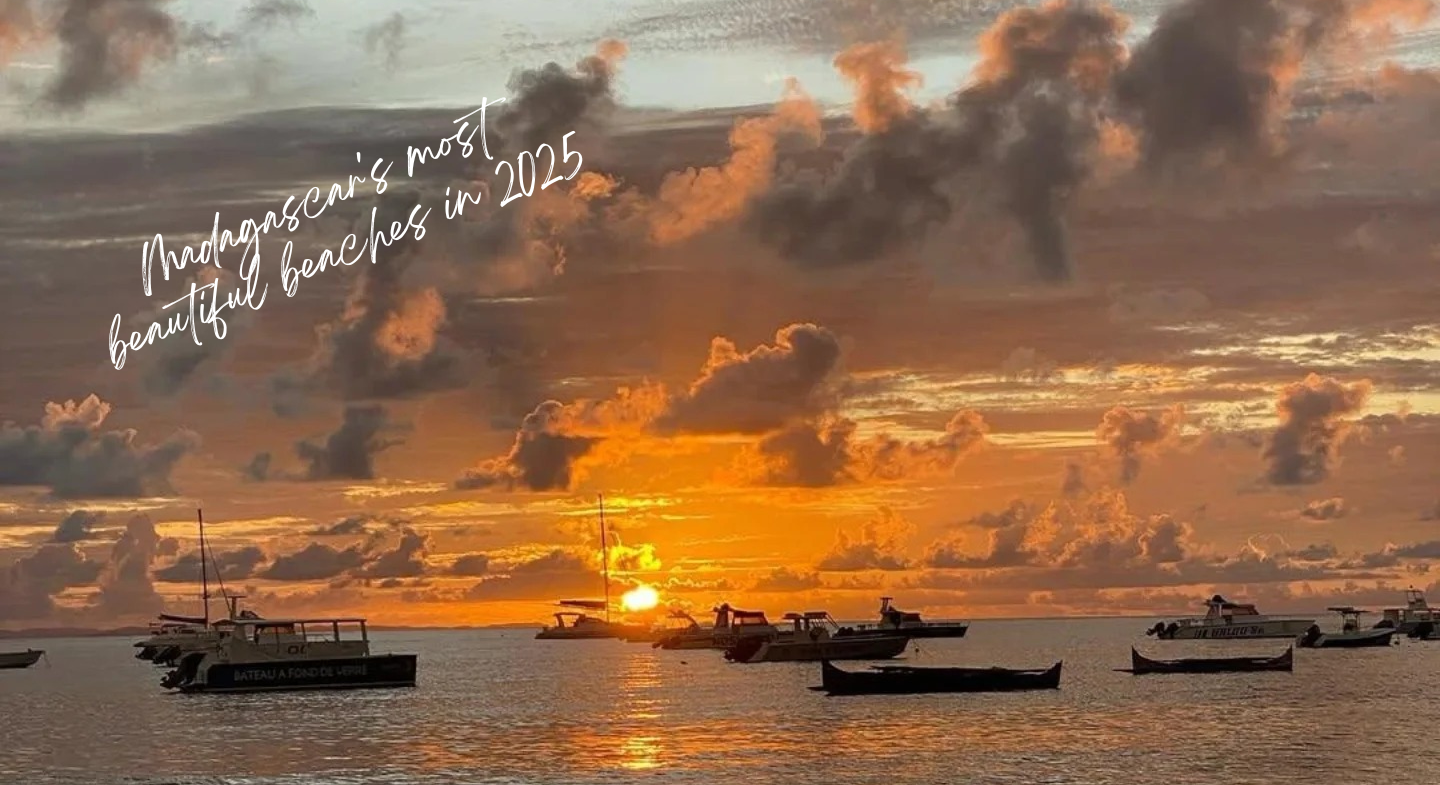
Along the Mozambique Channel or in the northern archipelagos, the air is thick with salt and the exchanges are more direct. With a Vezo fisherman near Ifaty, the conversation is about the wind and the catch. In the markets of Nosy Be, it is a vibrant, multilingual affair. While less overtly formal, the rules of engagement are just as important. A shared understanding of the ocean’s rhythm can open a dialogue faster than any prepared speech. For the traveler whose journey is drawn to the sea, whether for a private catamaran expedition or to explore the marine parks, these interactions are fluid, candid, and deeply memorable.
Design a Journey of Deeper Connection
A conversation with Madagascar is waiting. We facilitate the introduction.