Most divers come to Madagascar for the whale sharks. The discerning ones return for the reefs that feel like they belong to another time.
Madagascar’s reputation precedes it. It’s the land of lemurs, of vanilla, of landscapes that seem drawn from a geologist’s dream. But beneath the surface of the Mozambique Channel lies a parallel world, one that rewards the diver who has already logged hours in the Red Sea and the Coral Triangle, and is now seeking something quieter, something more intact.
This is not about checking boxes. The diving here, particularly around the Nosy Be archipelago, is a conversation with an ecosystem that has been mercifully overlooked. It’s for the traveler who understands that exclusivity isn’t about a price tag, but about access—to sites without a dozen other boats, to guides who know the currents by name, and to a rhythm dictated by the tides, not a tourist schedule.
The Nosy Be Archipelago: A Diver’s Logbook
Forget the generic promise of “colorful fish.” The waters here are a library of specific encounters, each site a different chapter. We don’t send divers on cattle calls; we design days around specific objectives, whether you’re an underwater photographer chasing macro subjects or an experienced diver seeking the thrill of a deep-water drift.
Tanikely Marine Reserve: The Benchmark
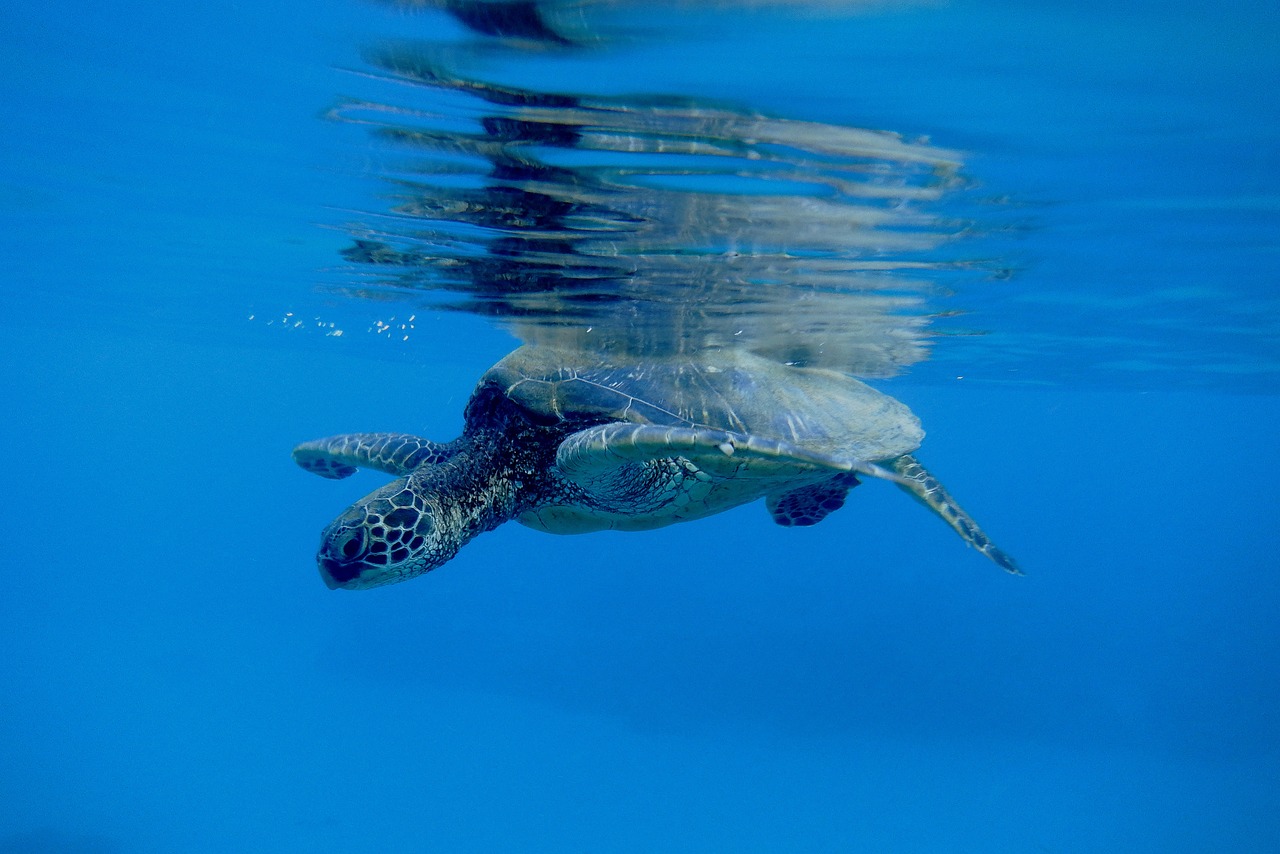
This isn’t a “beginner’s site.” It’s a national park, and it’s the perfect calibration for your Madagascan underwater journey. The reef’s health is immediately apparent. Green and hawksbill turtles are common, resting on table corals the size of small cars. On the sandy bottom, leopard sharks rest, unbothered. For photographers, the sheer density of reef fish is exceptional. It’s an accessible dive for all certification levels, but one that even the most jaded diver will appreciate for its raw vitality. Consider it your first, essential entry.
Greg Wall (Radama Archipelago): The Drift
Reaching the remote Radama islands to the south requires commitment—typically a liveaboard or a dedicated private vessel. The reward is sites like Greg Wall. This is a classic drift dive along a wall that plummets into the blue, covered in a dense forest of gargantuan gorgonian sea fans. The current does the work, carrying you past schools of fusiliers and the occasional dogtooth tuna. This is a dive for the Advanced Open Water certified, a reminder of the ocean’s power and grace. It’s one of the best kept secrets of the marine parks of Madagascar.
Shark Point (off Nosy Iranja): The Pelagic Encounter
The name is not a marketing gimmick. This offshore pinnacle acts as a cleaning station and crossroads for pelagic life. Grey reef sharks, whitetip reef sharks, and sometimes silvertips patrol the edges. The currents can be strong, making this a site for experienced divers comfortable with negative entries and blue-water conditions. Planning this dive requires a deep understanding of local tides and conditions—something a brochure can’t provide. It’s a powerful, humbling experience that crystallizes the wildness of the Mozambique Channel.
“You don’t just observe the reef here. You feel its pulse. On a good day at Greg Wall, with the current running, it feels like the whole Indian Ocean is breathing with you.”
Logistics, Seasons, and Sightings
Timing is everything. Madagascar’s marine calendar is precise, and your trip should be built around it. While general diving is excellent from May through December, specific encounters follow a stricter schedule.
The main event, the arrival of whale sharks, occurs within a well-defined window. From late September to December, these giants feed on plankton blooms off the coast of Nosy Be. We arrange private charters to ensure you have space and time with these animals, far from the cluster of day-tripper boats. Our dedicated Madagascar whale shark expeditions are built on years of local knowledge. Manta rays are often seen during this period as well. Humpback whales, while more famous on the east coast, also pass through the channel between July and September, offering a different kind of spectacle. Knowing whether to base yourself in Nosy Be or Sainte Marie for 2026 depends entirely on what you want to see.
A diving journey here can be the singular focus of your trip or a marine counterpoint to a terrestrial exploration of the north’s tsingy landscapes and rainforests. The logistics of combining these remote locations are what separate a seamless journey from a frustrating one. That’s where our work begins.
YOUR DIVE, YOUR LOGBOOK
The Indian Ocean keeps its secrets well. We know where to look.