
Menabe Antimena Protected Area: The Kingdom of the Fosa
the last stronghold of the dry forest, home to the fosa and the world's smallest primate
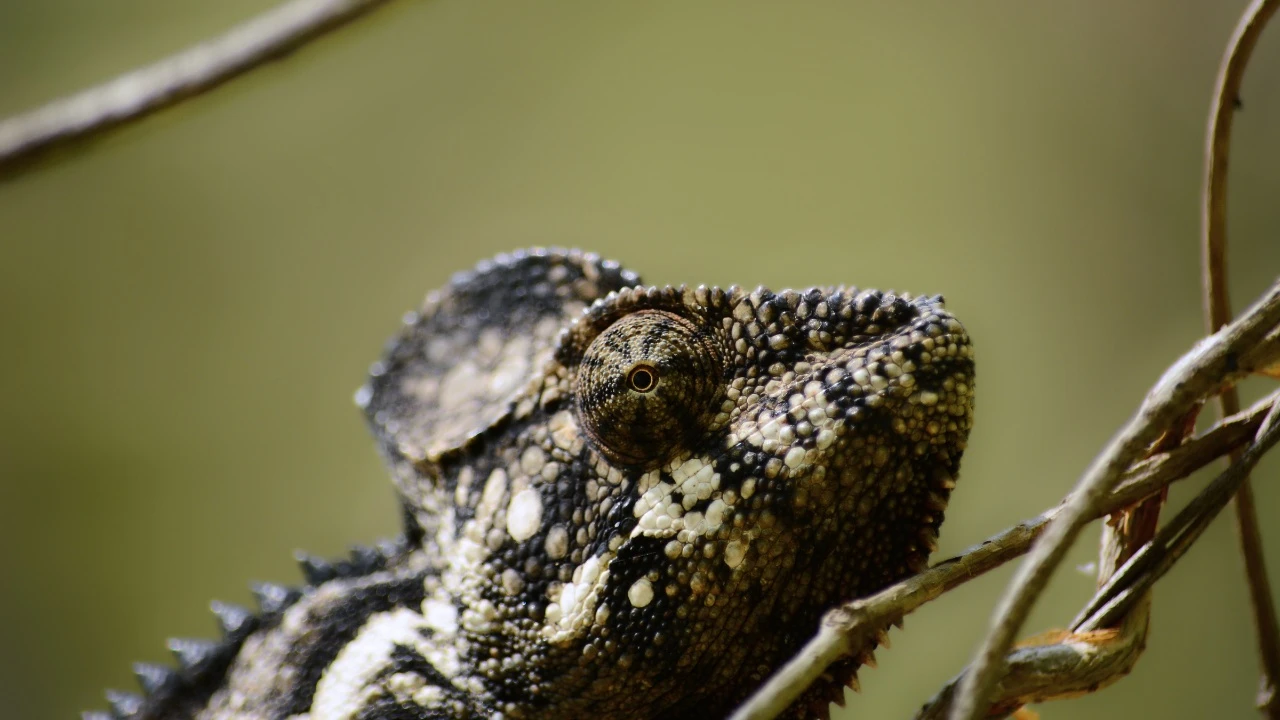
The light arrives not as a flood, but as a fine powder, filtering through the skeletal canopy of deciduous trees to dapple the red earth. In the cool air before the day’s heat, the dominant sound is an expansive silence, broken only by the dry rustle of a leaf. This is not the humid jungle of the eastern rainforests; it is a more subtle theater, a forest that holds its breath and demands a commensurate stillness from those who enter.
This is Menabe Antimena, a critical, vanishing fragment of western dry deciduous forest. The entire ecosystem is shaped by an extreme seasonal cycle, forcing its inhabitants into remarkable adaptations for survival. It stands as one of the most endangered habitats in Madagascar, a final bastion for some of the island’s most specialized and threatened wildlife, including its largest carnivore.
The park is under immense pressure from slash-and-burn agriculture and illegal logging, which shrink its borders year by year. Its continued existence is a fragile balance, supported directly by the presence of responsible ecotourism which funds patrols and provides a sustainable alternative for local communities on the front line of its defense.
The park is accessible only by 4×4 tracks from Morondava, and the best wildlife areas are deep within the protected zone — which is why this ecosystem remains genuinely off the standard circuit.
Why Visit
- Track the fosa, Madagascar's largest carnivore, on guided night walks
- Search for Madame Berthe's Mouse Lemur, the world's smallest primate
- Observe the “dancing” Verreaux’s Sifaka leap across the forest floor
- Walk beneath towering Grandidier's baobabs in their natural forest
- A critically endangered ecosystem, accessible only by a guided 4x4
- The profound quiet of a forest without ambient human noise
Explore in Detail
Landscape & Geography
+The Experience
+When to Go & Access
The only practical time to visit is during the dry season, from June to November. During these months, the lack of foliage offers better wildlife visibility, and the unpaved tracks are more reliable. Access is the primary logistical challenge. The park entrance lies several hours from Morondava along sandy and often rough 4x4 tracks. There is no public transport, and reaching the core wildlife areas requires a private 4x4 transfer from Morondava arranged as part of a fully planned itinerary. The wet season (December to March) renders many roads impassable.
Conservation & Community
+Wildlife to Encounter
Frequently Asked Questions
A minimum of two nights is essential to allow for at least two nocturnal walks, which are the main event. A three-night stay provides a more relaxed pace and a better chance of significant wildlife sightings.
The terrain is mostly flat, but walks can be several hours long in potentially high daytime heat. Nocturnal walks require sure-footedness and attentiveness. The difficulty is less about elevation gain and more about patience and endurance.
While never guaranteed, Menabe Antimena offers the highest probability of seeing a fosa in the wild, particularly during the dry season (June-November). Success depends on the expertise of your guide and your willingness to spend time on nocturnal walks.
Access is exclusively via a private 4x4 vehicle with a driver experienced in the local track conditions. The journey takes several hours and is part of the guided experience, as there are no public transport options to the core forest areas.
Menabe Antimena is one of the most threatened protected areas in Madagascar. Satellite data shows alarming rates of deforestation on its periphery. Your visit, through a responsible operator, directly contributes to funding patrols and providing local employment, creating a tangible economic reason to protect the forest.
In the Field
Private Expeditions
Ready to Experience the Wild?
Every journey is tailor-made by our Madagascar experts — seamless, private, and unforgettable.