
Nosy Mangabe Special Reserve: Island of the Aye-Aye & Ancestral Spirits
a rainforest island sanctuary, ancestral tombs, and the world's best place to see the aye-aye
The crossing from Maroantsetra leaves the mainland’s noise behind, as the Bay of Antongil gives way to a single, green dome of ancient rainforest rising from the sea. The air changes upon arrival, becoming heavy and scented with damp earth. Here, the dense, humid quiet is punctuated by insect hum, lapping waves, and the faint, percussive tap of an aye-aye’s skeletal middle finger searching for grubs inside a seed pod.
This 5.25-square-kilometer island, Nosy Mangabe Special Reserve, is a self-contained fragment of eastern lowland rainforest insulated from the pressures of the mainland. Its primary conservation purpose, established in 1965, was to provide a protected refuge for the aye-aye. In 1962, researcher Jean Jacques Petter transferred nine of these primates here to escape mainland persecution driven by superstitions that branded them harbingers of death. This translocation likely saved the species, securing the island’s status as a critical sanctuary.
The reserve’s identity is equally woven into the spiritual life of the Betsimisaraka people, for whom it remains an ancestral ground. Walking its trails means tracing this history past unmarked tombs, where the boundaries between ecology and human heritage blur. The forest acts as a sanctum, preserving both biological diversity and deep cultural memory.
Access logistics here reward advance planning: the seasonal flight schedules into Maroantsetra and private boat availability mean the timing of arrival shapes everything that follows.
- The world's most reliable location to see the rare aye-aye
- A self-contained rainforest island, a 45-minute boat ride from Maroantsetra
- Betsimisaraka ancestral tombs hidden within a sacred forest
- Night walks reveal leaf-tailed geckos and tiny mouse lemurs
- Former pirate refuge in the historic Bay of Antongil
- A critical reserve established in the 1960s to save a species
Nosy Mangabe functions as a self-contained ecosystem—a 5.25-square-kilometer special reserve preserving pure eastern lowland rainforest. Rising as a single dome directly from the Bay of Antongil, its isolation has cultivated extraordinary botanical integrity. The sheer diversity of giant hardwoods is remarkable; researchers in 1989 documented 12 distinct species of fruiting Diospyros (ebony) in a single day. These giants, alongside strangler figs, form a dense canopy that filters the tropical sun into a diffuse light. Lianas hang like thick ropes, and every surface is coated in mosses, lichens, and epiphytic orchids. This intensely vertical architecture serves as a living reference point for the coastal forests that once covered the entire region of Analanjirofo.
Let us design a private itinerary built entirely around what matters to you.
Design Your Private Trip With Us →The reserve's distinct allure crystallizes after dark. Venturing out with a specialist guide, your focus narrows to a headlamp's beam. Tracking the aye-aye requires sharp hearing, anticipating the scrape of incisors on a ramy nut or the rhythmic tapping of an elongated finger against bark. The nocturnal forest yields other encounters: a mouse lemur rustling in the undergrowth, or the perfectly camouflaged form of a leaf-tailed gecko flattened against a trunk. Daylight hikes past cascading streams may reveal rare Incoltorrida beetles clinging to wet rocks. Ultimately, witnessing a wild aye-aye remains the definitive highlight—a raw, powerful encounter with an extraordinarily adapted primate.

Where the rainforest floor meets the Tampolo coral reef.
View Property →The best time to visit is during the drier season from April to November, when trails are more navigable and rainfall is less persistent. Access is by private boat from the town of Maroantsetra, a 45-minute to one-hour journey across the Bay of Antongil. Reaching Maroantsetra itself requires a domestic flight from Antananarivo. One of the main logistical constraints is the reliability of these domestic flights, which are subject to frequent schedule changes and cancellations. Planning with a buffer on either side of your visit is a wise, field-tested strategy that reduces stress and protects the core of your itinerary.
Nosy Mangabe's modern protected status is inextricably linked to the aye-aye. Facing imminent extirpation on the mainland due to a fady (taboo) branding it a harbinger of ill fortune, the species found sanctuary here in 1965. Today, the descendants of those initial translocated individuals provide a vital population for scientific study, demonstrating the efficacy of targeted island refuges. Visitor presence, managed by Madagascar National Parks, directly funds the patrols that secure the reserve. This oversight protects both the exceptional biodiversity and the profound cultural importance of the Betsimisaraka ancestral burial grounds.
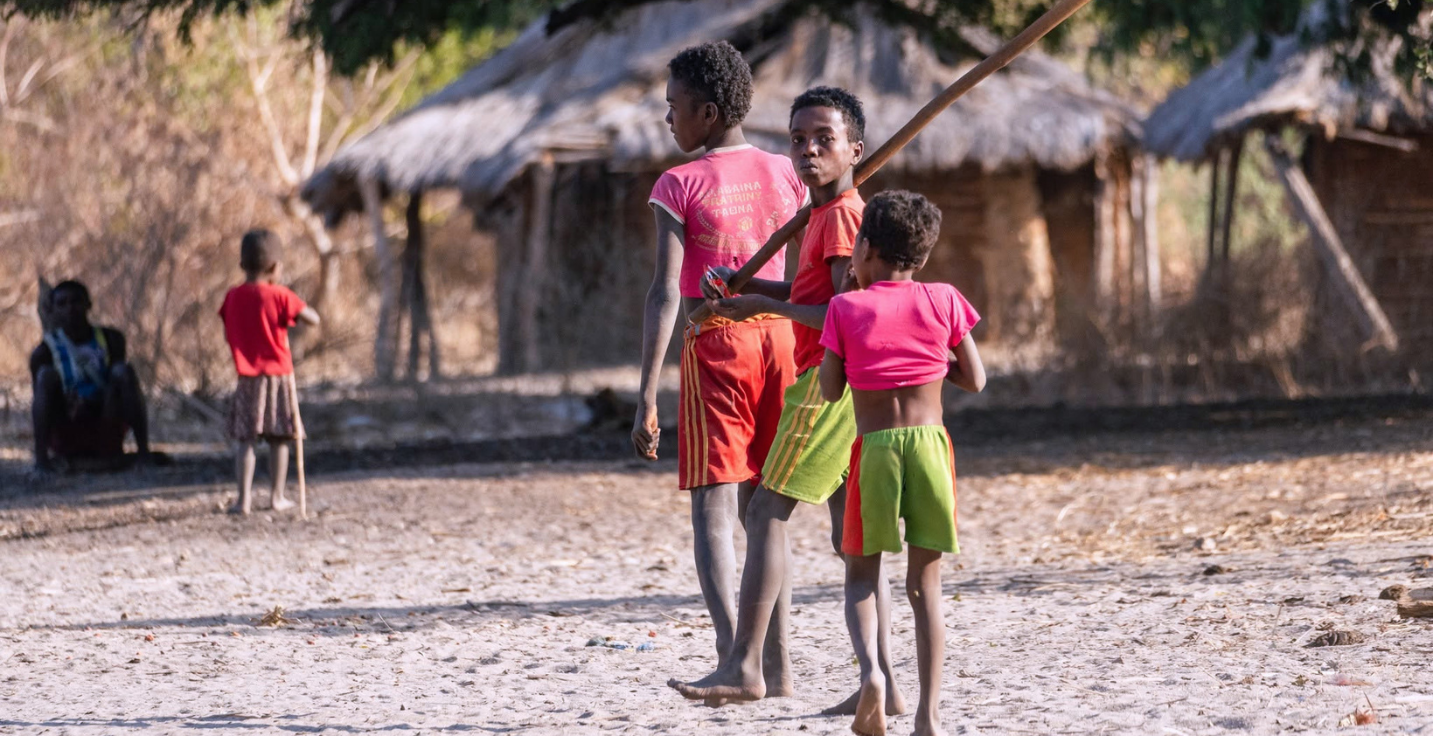
“Best visited April – November — drier, cooler, and far easier for walking.”
Contact Us to Design Your Journey| Aye-aye | The world's largest nocturnal primate; located on night walks by listening for its distinctive percussive foraging—a high-probability sighting with a skilled local guide. |
| Giant Leaf-tailed Gecko (Uroplatus fimbriatus) | Masters of camouflage often found resting head-down on tree trunks; spotting their textured bark-like skin requires a guide's expert eye. |
| Common Brown Lemur | A diurnal lemur often seen in the trees around the main campsite and beach area, readily visible without a guide. |
| Rufous Mouse Lemur | One of the world's smallest primates, this tiny nocturnal animal is best spotted by the reflection from its eyes in a headlamp's beam during night walks. |
| Stump-tailed Chameleon (Brookesia superciliaris) | Minute, terrestrial chameleons that mimic dead leaves on the forest floor; spotting one requires slow, deliberate searching in the leaf litter with a guide. |
The world's most reliable location to see the rare aye-aye
Frequently Asked Questions
Sightings are highly probable but never guaranteed. The local guides are experts at locating them by sound, and an overnight stay gives you the best odds. Success requires patience and a willingness to walk quietly in the dark.
The terrain is not mountainous, but the trails are a solid 'moderate' in difficulty. Expect uneven ground, slick roots, and high humidity. Trails can become very muddy and slippery after rain, so good, closed-toe walking shoes with grip are essential.
An overnight stay is strongly recommended. This allows for a proper night walk to search for the aye-aye and other nocturnal creatures, which is the primary reason for visiting. A day trip feels rushed and misses the island's most important dimension.
Access is a two-step process. First, you must take a domestic flight to the town of Maroantsetra. From the port there, it's a 45-minute to one-hour boat transfer across the bay to Nosy Mangabe. All transfers must be arranged in advance.
Camping on the island is the most immersive way to experience it. Facilities are very basic—a shared toilet block, a simple covered dining area, and tent sites. For those who prioritize atmosphere over comfort, it is the best option. The alternative is staying in a hotel in Maroantsetra and making day/evening trips.


Private Expeditions
Ready to Experience the Wild?
Every journey is tailor-made by our Madagascar experts — seamless, private, and unforgettable.