
Tsitongambarika Forest: The Whispering Corridor of the Southeast
a low-altitude rainforest corridor for cryptic lemurs and ancestral knowledge
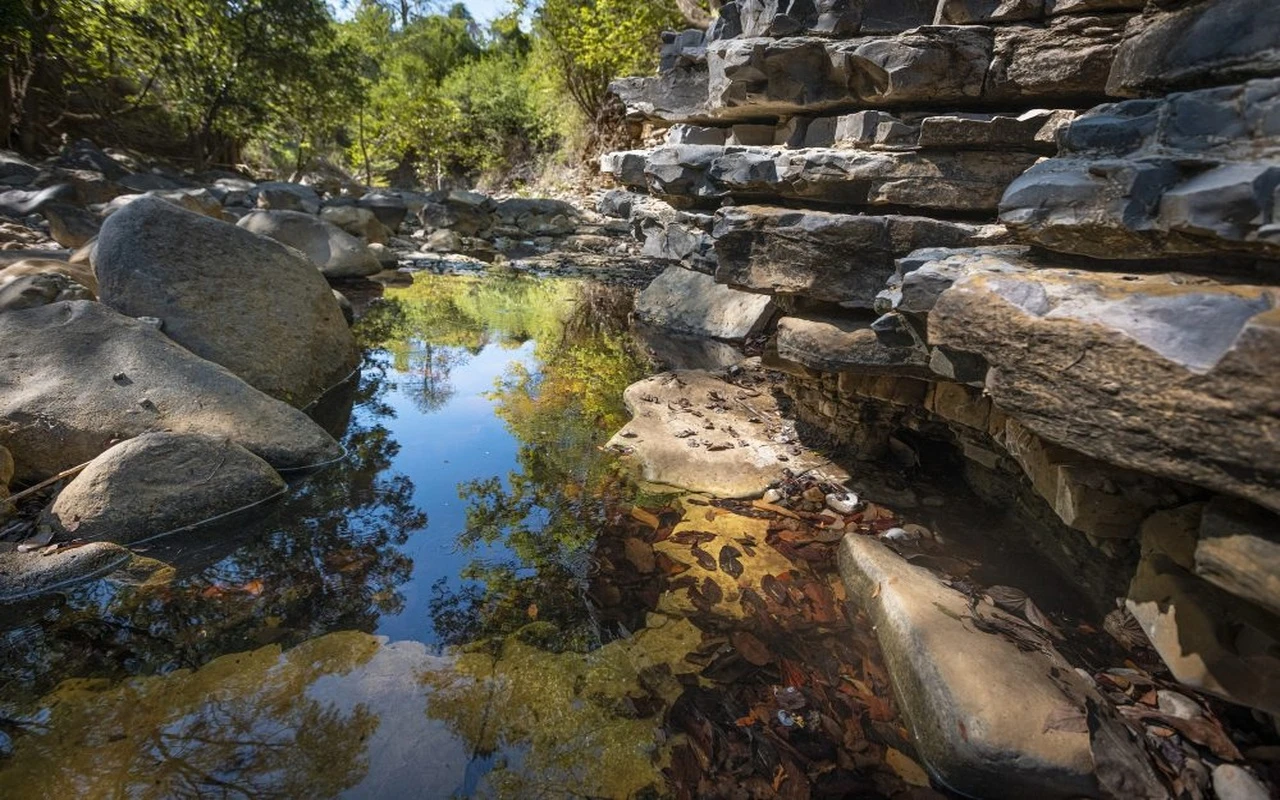
Dawn does not arrive here; it seeps. Light filters from black to indigo to a deep, chlorophyll green, illuminating motes of dust in the humid air. The quiet is not an absence of noise, but a dense acoustic fabric woven from the electric hum of unseen insects, the soft fall of a leaf, and the weight of humid air itself. The ground breathes a scent of damp earth, vanilla, and decay, the smell of a forest entirely occupied with the process of living.
This is Tsitongambarika, one of the last and largest remnants of low-altitude littoral rainforest in Madagascar. Designated as a Key Biodiversity Area, it functions as a vital green corridor, a genetic highway allowing wildlife to move between fragmented territories in the island’s far southeast. Its protection is a recent and urgent triumph, securing a landscape that holds species found nowhere else on earth, in a forest type that has all but vanished.
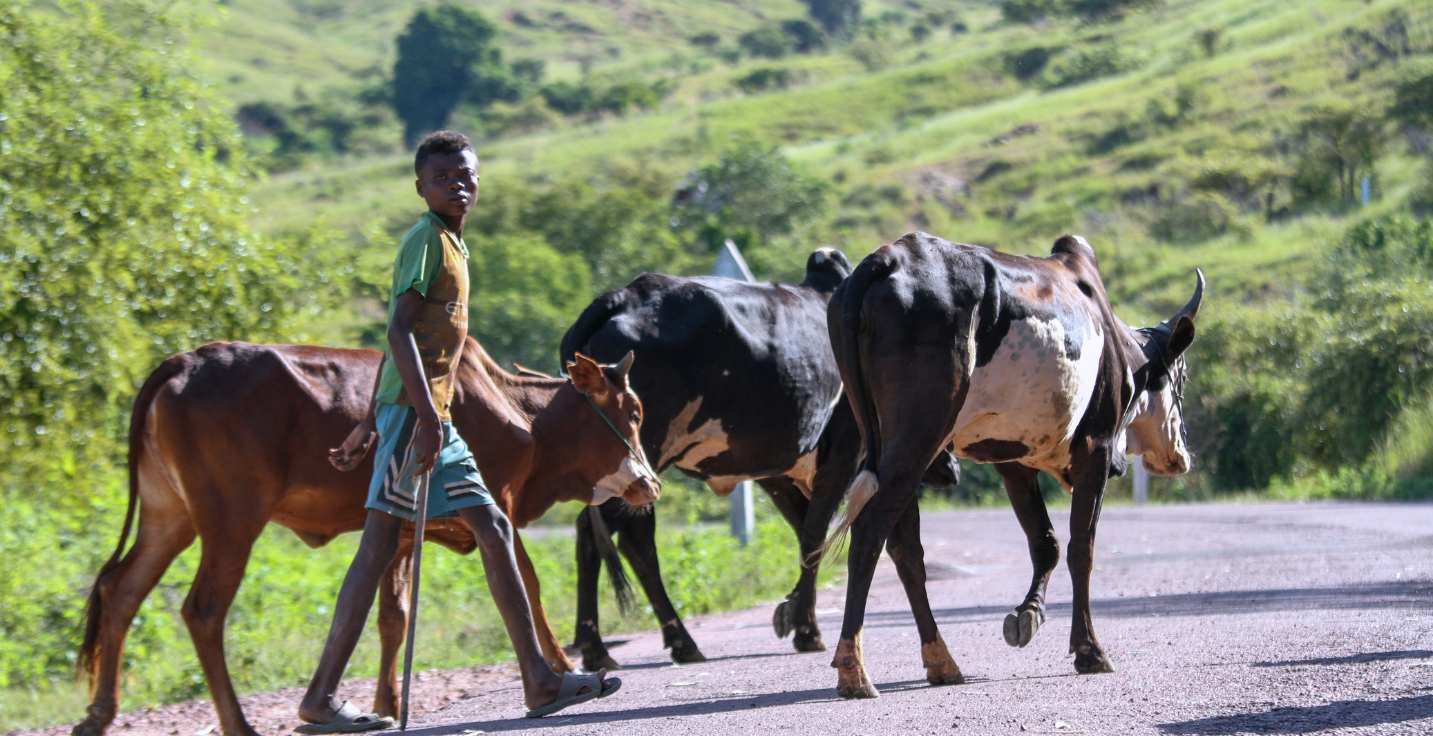
The protection of this forest is intrinsically linked to the surrounding communities, whose ancestral knowledge is the key to navigating and interpreting it. This is not a park of signposted trails, but a landscape read through subtle signs: a broken twig, a distant call, a track in the mud. A visit here is an act of participation in a conservation story that is still being written, supporting the communities who are its primary stewards.
Access logistics here reward advance planning: the 4×4 transfer from Tôlanaro and securing the right ancestral guide means the timing of arrival shapes everything that follows.
Why Visit
- Traverse one of the last low-altitude rainforests in southern Madagascar
- Key refuge for the endangered Southern Woolly Lemur and Collared Brown Lemur
- Expeditions led by local guides with deep, ancestral forest knowledge
- Accessed from Fort Dauphin—a genuine off-circuit wilderness experience
- An urgent conservation success story you can support directly
- Sightings of the world's largest chameleon, the Parson's Chameleon
Explore in Detail
Landscape & Geography
+The Experience
+When to Go & Access
The ideal window for a traverse is during the dry season, from April through October. During these months, the trails are more passable and the humidity is less intense, making for more comfortable trekking conditions. Access is a key part of the adventure, beginning in Tôlanaro (Fort Dauphin) with a multi-hour 4x4 journey over rough tracks to the forest edge. This transfer is not just a logistical step but the beginning of the immersion, leaving the developed world behind. Due to the expeditionary nature and the need for specialized guides, all arrangements must be made well in advance.
Conservation & Community
+Wildlife to Encounter
Frequently Asked Questions
A meaningful traverse requires a minimum of three to four days, including the 4x4 transfer time from Tôlanaro (Fort Dauphin). This allows for genuine immersion and accounts for the unhurried pace required to appreciate the forest.
A traverse is physically demanding. You should have a high level of hiking fitness, be comfortable with multi-hour walks on uneven, muddy, and unmarked trails, and prepared for basic camping conditions. The challenge comes from the terrain and humidity, not from altitude.
The dry season, from April to October, is the only recommended time. This period offers cooler temperatures, lower humidity, and more manageable trail conditions. The wet season (December to March) can make access roads and forest paths impassable.
The journey begins from the town of Tôlanaro (Fort Dauphin) in a 4x4 vehicle. The drive to the forest edge takes several hours over challenging roads and is an integral part of the expedition, transitioning you from the coast into the remote interior.
No. Unlike in some other parks, wildlife in Tsitongambarika is truly wild and often cryptic. Sightings are a reward for patience and the skill of your guide. The experience is about the search and the signs of life, with every encounter feeling deeply earned.
There are no marked trails. The guides are not just naturalists; they are navigators whose ancestral knowledge allows them to read the forest. They are essential for safety, navigation, and for revealing the wildlife that an untrained eye would certainly miss.


Private Expeditions
Ready to Experience the Wild?
Every journey is tailor-made by our Madagascar experts — seamless, private, and unforgettable.