
An hour from Antananarivo, Saha Maintsoanala occupies the space between research station and tourist destination—and that ambiguity is precisely what makes it worth knowing.
The Mandraka Valley holds fragments of eastern rainforest that shouldn’t exist this close to the capital. Twenty-six hectares of primary forest, preserved by accident more than design, now accessible through careful management rather than preservation rhetoric. Former students from ESSA still recognize the trails they walked as researchers. The difference is who walks them now.
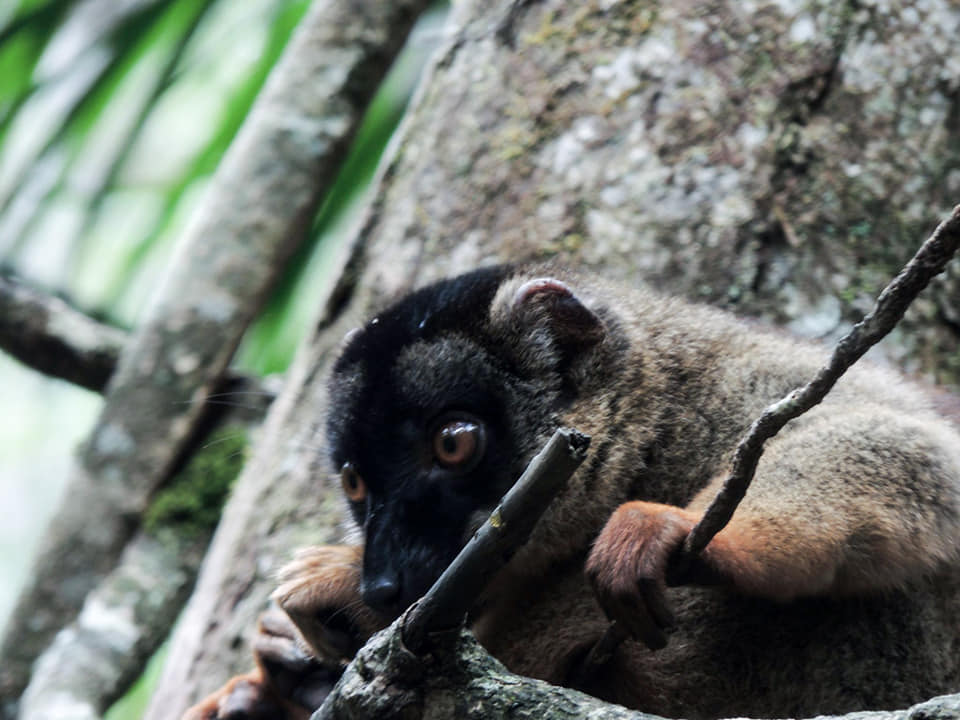
Saha Maintsoanala transformed into a visitor site in 2013, but its value lies in what didn’t change. The Eulemur fulvus that move through these trees have never been relocated or managed for tourism. The Uroplatus fimbriatus that press themselves against bark at dusk follow patterns established long before anyone thought to charge admission. This is not wildlife display. This is wildlife that happens to be displayable.
The Forest at Research Station Distance
Sixty kilometers from Antananarivo means something specific in Madagascar. Close enough for a day visit without the commitment of Andasibe. Far enough that the forest feels separate from the city’s reach. Unlike Lémurs’ Park near the capital, Saha Maintsoanala functions as an intact ecosystem rather than a curated collection.
The botanical trails follow research paths, not tourist logic. You encounter Bulbophyllum orchids where they chose to grow, not where someone decided they should be seen. The endemic plants here represent eastern Madagascar’s flora compressed into accessible space—but still functioning as forest, not garden.
What the Guides Actually Know:
Local guides here speak from observation, not scripts. They know which trees the flat-tailed geckos prefer and why. They can distinguish between lemur calls that signal territorial behavior and those that indicate feeding time. This knowledge comes from watching the same animals in the same forest for years, not from training manuals written elsewhere.
“In Madagascar, the best wildlife experiences happen not when animals perform for visitors, but when visitors learn to see what was already there.”
The Orchidarium and What It Reveals
The dedicated orchid house at Saha Maintsoanala contains species that require specific microclimates to survive. Not the showy varieties that photograph well, but the subtle epiphytes that demonstrate Madagascar’s evolutionary peculiarities. These are plants that reveal their secrets slowly, to visitors who take time to look closely.
Morning visits offer the clearest view of how this forest functions. Lemur activity peaks early, before the heat builds. The chameleons that seemed invisible the previous afternoon emerge with deliberate precision. Unlike the more remote forests such as Kirindy, timing here accommodates visitors who need to return to Antananarivo the same day.
Facilities That Don’t Compromise the Forest:
The rustic chalets and camping areas at Saha Maintsoanala occupy clearings that existed before tourism. Simple accommodations that allow overnight stays without requiring extensive infrastructure. For travelers who want something between Antananarivo hotels and wilderness camping, these facilities provide middle ground.
Families find this setup practical—children can experience Madagascar forest without the logistical complexity of reaching Andasibe or more distant reserves. The picnic areas function during dry season; the trails remain accessible year-round. Unlike Vakôna Private Reserve, activities here depend more on forest rhythms than visitor schedules.
Beyond the Standard Circuit
Experienced guides can lead deeper forest excursions for visitors who want to move beyond the established botanical trail. These routes require more time and better preparation, but they access areas where human presence remains uncommon. The forest here connects to larger wilderness—not an island of trees, but part of a corridor.
For travelers building longer Madagascar itineraries, Saha Maintsoanala serves as introduction rather than destination. A place to understand eastern forest ecosystems before committing to more remote locations. The species here—both flora and fauna—prepare visitors for what they’ll encounter in places like Andasibe, but without the investment of time and distance those reserves require.
Conservation work here happens through visitor fees and employment of local guides, not through external funding or international programs. Sustainable tourism that functions because it remains small-scale and community-managed. The forest stays protected because it stays valuable to people who live nearby.
Experience Madagascar’s Accessible Wilderness
Plan your visit to places where Madagascar’s forest ecosystems remain intact, accessible, and authentically experienced.