Seven freshwater lakes shimmer against limestone cliffs in Madagascar’s southwest, fed by underground springs that surface where geology permits. Most travelers bound for this region never hear of the Onilahy Lakes — which explains why reaching them requires planning that extends well beyond pointing at a map.
The Onilahy Lakes occupy a stretch of the Onilahy River basin where karst topography creates conditions found nowhere else in this corner of Madagascar. Here, in a landscape defined by seasonal drought, permanent water supports ecosystems that biologists describe in terms usually reserved for much wetter climates. The contrast shapes everything: the species you encounter, the access routes that work, and the guides who know enough to get you there safely.
Getting There: Beyond the Standard Routes
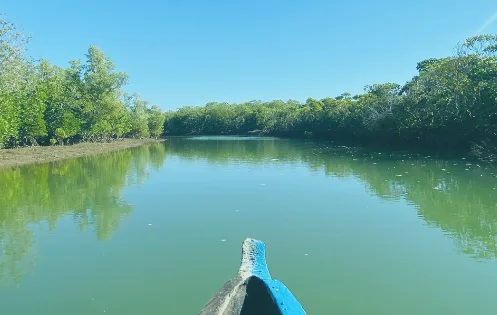
The journey from Toliara follows the old Route Nationale 9 through Ambohimahavelona — a road that teaches respect for Madagascar’s interior rhythms. Vehicle access terminates at Ranomay or Tongobory, where the real approach begins. Multi-day pirogue expeditions down the Onilahy River reveal the lakes gradually, each bend offering glimpses of the gallery forests that signal their proximity.
Local guides in these villages possess knowledge that no guidebook captures: seasonal water levels, wildlife movement patterns, and the precise locations where underground springs create the clearest viewing conditions. This expertise determines whether you spend your time observing Madagascar’s endemic species or simply crossing open water. Understanding vehicle limitations before attempting the overland portion prevents the kind of delays that compress your time at the lakes themselves.
What the Water Reveals
Seventy-nine bird species utilize these freshwater habitats — a density that reflects the rarity of permanent water in southwestern Madagascar. Humblot’s Heron and the Madagascar Night Heron represent the prize sightings, though their presence depends on seasonal patterns that vary year to year. Early morning hours yield the most consistent wildlife activity, when mist rising from the springs creates optimal conditions for photography.
The lakes function as an ecological island within Madagascar’s dry southwest — permanent water creating biodiversity hotspots that exist nowhere else in the region.
Gallery forests extend along the riverbanks, harboring lemur species and endemic reptiles that include Nile crocodiles. The aquatic fauna encompasses freshwater fish and turtle species found only in these isolated systems. Each lake maintains slightly different characteristics: depth, vegetation, and mineral content that influences which species thrive where.
The Springs Called Rano-may
Hot springs punctuate the lake system, known locally as Rano-may and historically utilized for medicinal purposes. These thermal features maintain consistent temperatures that support unique microclimates within the larger ecosystem. Local communities in Ranomay preserve traditional knowledge regarding these springs — information that enhances any serious naturalist’s understanding of the area.
The mineral content of these springs influences plant growth patterns that create distinct zones of vegetation. Observing these variations requires time and guidance from residents who recognize subtle environmental indicators invisible to most visitors.
Conservation and Access Considerations
Current discussions regarding protected reserve designation reflect growing recognition of the site’s biological importance. This potential change could alter access protocols, making current travel opportunities particularly valuable for travelers seeking authentic wilderness experiences.
The fragile nature of these freshwater ecosystems demands responsible visitation practices. Low-impact camping, waste management protocols, and respect for wildlife viewing distances preserve the conditions that make the lakes worth visiting. Local communities depend on sustainable tourism that supports conservation efforts without disrupting traditional land use patterns.
Compared to Madagascar’s more accessible national parks, the Onilahy Lakes demand greater preparation but reward visitors with encounters largely unchanged by heavy tourism pressure.
Timing and Practical Considerations
Dry season visits (April through October) offer the most reliable access conditions, though wildlife activity patterns vary throughout this period. Early season timing provides optimal water clarity for observing aquatic species, while later months concentrate wildlife around permanent water sources.
Multi-day expeditions require complete logistical planning: camping equipment, water purification systems, and food supplies sufficient for remote area travel. The nearest reliable provisioning occurs in Toliara, making thorough preparation essential. Understanding payment methods becomes particularly relevant when arranging guide services and pirogue transport in remote villages.
Beyond Wildlife: Cultural Context
Communities surrounding the lakes maintain cultural practices that predate European contact. Traditional relationships between local populations and these water sources provide context that enriches any naturalist’s experience. Elders possess detailed ecological knowledge passed through generations — information that reveals seasonal patterns invisible to short-term visitors.
Evening hours around the lakes offer opportunities for stargazing in areas with minimal light pollution. The clarity of Madagascar’s southern sky creates conditions that rival the island’s recognized astronomical viewing locations, adding another dimension to multi-day expeditions.
Why the Onilahy Lakes Matter
These seven bodies of water represent Madagascar’s capacity to create biodiversity refuges in unlikely places. The Onilahy Lakes demonstrate how geological features — limestone karst, underground springs, permanent water — combine to support ecosystems that exist nowhere else on the island.
For travelers accustomed to Madagascar’s highland rainforests or coastal environments, the lakes present entirely different ecological relationships. Species adaptations, water-dependent behaviors, and seasonal rhythms follow patterns unique to southwestern Madagascar’s semi-arid climate. Understanding these differences requires time, local expertise, and willingness to travel beyond established tourism circuits.
The remoteness that protects these lakes also creates opportunities for visitors seeking authentic Madagascar experiences. No crowds, no established infrastructure, no predetermined viewing schedules — just permanent water in a dry landscape and the endemic species it supports.