“`html
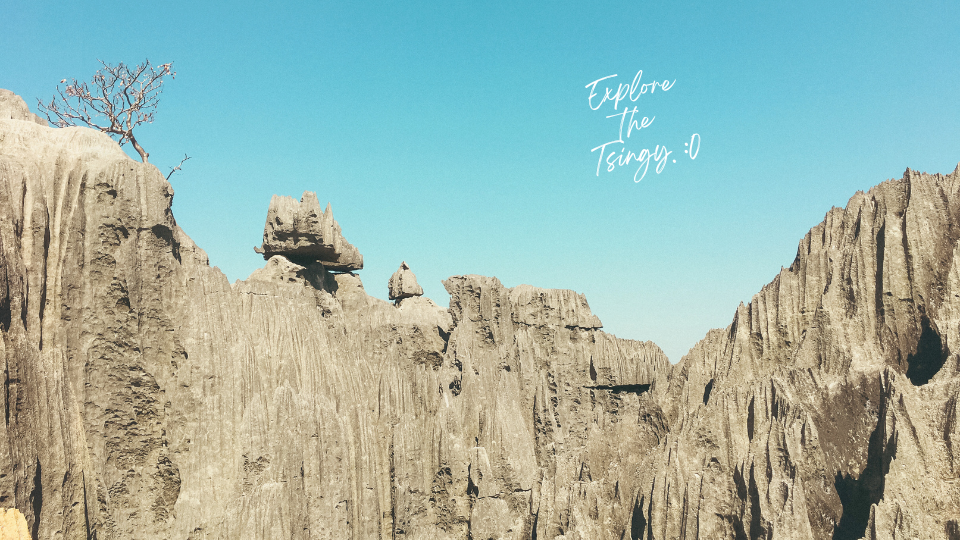
The jeep stops where the road stops. From here, the Tsingy de Bemaraha reveals itself not as a destination you visit, but as terrain you negotiate. These limestone pinnacles, sharp enough to slice through hiking boots, have been testing travelers long before UNESCO recognized them in 1990.
Madagascar’s western wilderness holds few secrets from satellite imagery, but Tsingy de Bemaraha National Park remains defiantly analog. The 157,710-hectare preserve demands old-fashioned commitment: four hours of bone-rattling road from Morondava, harnesses that matter, and the kind of guide who knows which limestone teeth will hold your weight.
What the Tsingy Actually Demands
The word “tsingy” translates roughly to “where one cannot walk barefoot”—Malagasy understatement at its finest. These razor-sharp karst formations, carved by underground rivers over twenty million years, create a landscape that functions more like a vertical maze than conventional terrain.
Access requires Via Ferrata equipment and nerves that don’t falter at exposure. The park’s two circuits, Petit Tsingy and Grand Tsingy, separate casual hikers from committed climbers within the first hundred meters. Madagascar’s climbing culture has developed entirely around formations like these, where traditional mountaineering techniques meet tropical wilderness.
The limestone cuts through gloves. The humidity soaks through technical fabrics. The wildlife watches from crevices you cannot reach.
Beyond the Geological Theater
The park’s 370 catalogued species include residents found nowhere else. Decken’s sifakas navigate the pinnacles with precision that makes human climbers look clumsy. Madagascar hissing cockroaches the size of smartphones emerge from limestone cracks at dusk. Thirteen lemur species call the Tsingy home, though spotting them requires patience measured in hours, not minutes.
The preserve’s isolation has created evolutionary pockets that continue surprising researchers. Endemic reptiles, including several Brookesia chameleon species smaller than your thumb, have adapted to limestone-specific microhabitats. Birds nest in cavities that predators cannot reach.
The Practical Reality of Getting There
Seasonal accessibility defines everything. April through November offers the only reliable window, when the Tsiribihina River crossing remains passable and the limestone dries enough for safe climbing. Vehicle requirements go beyond four-wheel drive—you need ground clearance, spare parts, and drivers who understand Madagascar’s rural road logic.
The park entrance sits 17 kilometers from Bekopaka village, itself three hours by 4×4 from the nearest paved road. Most visitors underestimate this approach. The journey from Morondava takes six hours in optimal conditions, longer when river levels fluctuate.
Inside the Tsingy’s Operating System
The limestone labyrinth operates on vertical principles. Underground rivers still carve new passages. Surface erosion sharpens existing pinnacles. The ecosystem exists in three dimensions, with species occupying specific altitude zones within the same few acres.
Navigating requires local expertise that cannot be downloaded or YouTubed. Guides from Bekopaka village have developed climbing knowledge passed through families. They know which formations remain stable, where lemurs feed at specific times, and which passages connect to underground cathedral chambers.
The park’s management maintains fixed climbing routes, but weather and limestone erosion shift difficulty levels seasonally. What feels manageable in May can become technical by October.
The Conservation Economics
Park fees support both preservation and local employment, though the economics remain fragile. Conservation initiatives depend on tourism revenue that fluctuates with Madagascar’s political climate and international accessibility.
The communities around Bekopaka provide guides, porters, and accommodation, creating economic incentives for protection. But the Tsingy’s remoteness limits visitor numbers, which both preserves the ecosystem and constrains funding for advanced conservation programs.
What Makes the Investment Worthwhile
The Tsingy de Bemaraha delivers experiences that resist Instagram compression. Climbing between limestone pinnacles creates physical engagement with geological time. The silence between wind gusts carries weight that crowded parks cannot match.
For travelers who have exhausted conventional safari circuits, the Tsingy offers genuine discovery. Madagascar’s park system includes easier options, but none deliver the Tsingy’s combination of geological drama and biological isolation.
The preserve rewards preparation over spontaneity. Visitors who arrive understanding the physical requirements, seasonal limitations, and logistical complexity experience landscape that functions more like expedition than sightseeing.
The Honest Calculus
Time investment: minimum four days from Antananarivo, including travel. Physical requirements: comfort with heights, basic climbing fitness, and heat tolerance. Financial commitment extends beyond park fees to specialized transport, equipment, and guides whose expertise makes the difference between adventure and emergency.
The Tsingy rewards travelers who approach Madagascar as discovery rather than vacation. It offers no luxury lodges, no air conditioning, no cellular service. What it provides cannot be replicated: geological formations that predate human evolution, ecosystems that exist nowhere else, and the satisfaction of reaching places that still require effort.
Whether Tsingy de Bemaraha National Park justifies the investment depends entirely on what you consider valuable. For travelers seeking experiences that resist commodification, few places on Earth offer more authentic returns on commitment.
“`