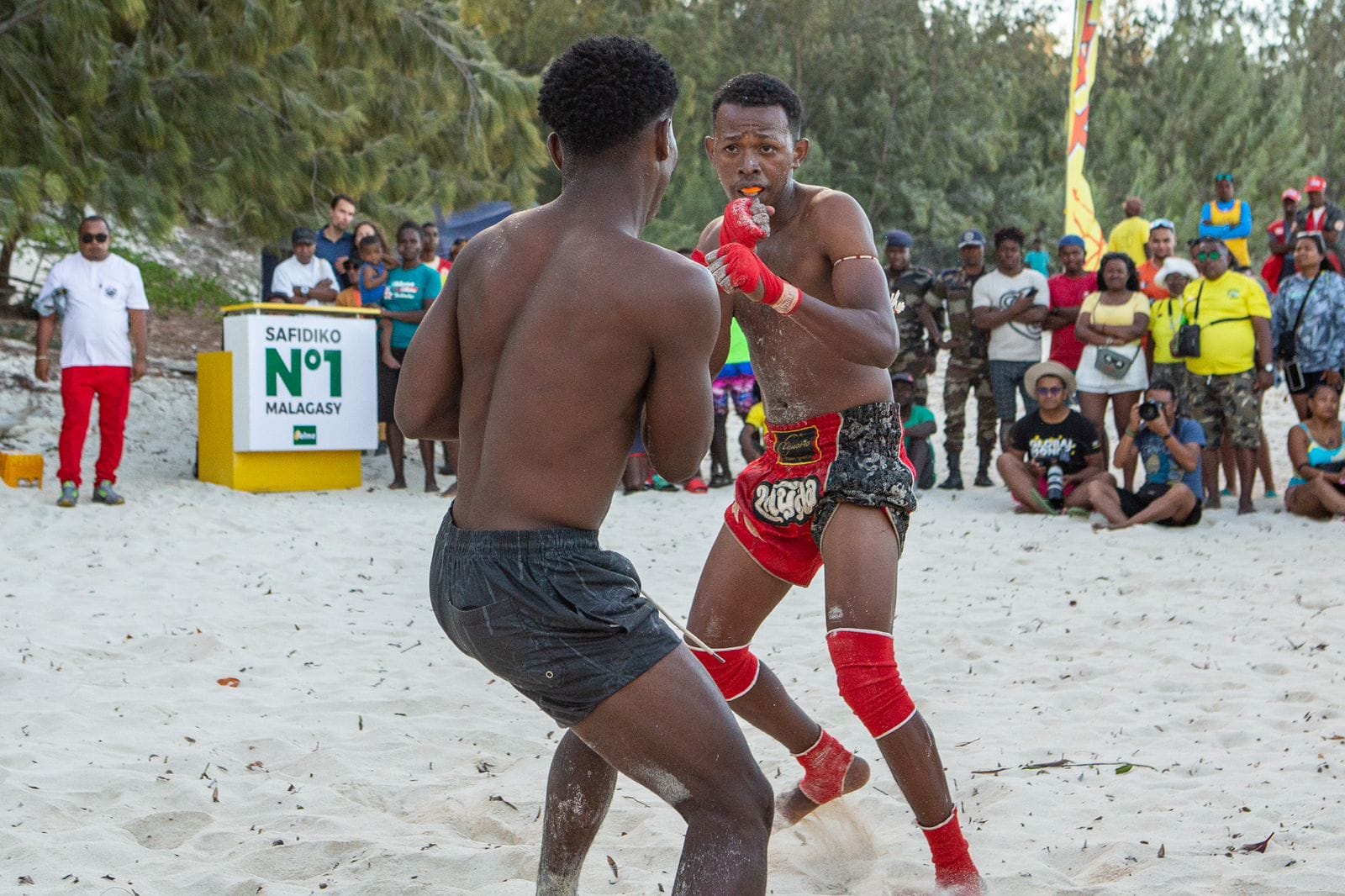
Moraingy is an iconic traditional combat sport from Madagascar, offering insight into the island’s culture and history. Known under various spellings—Moringue, Morengy, or Mourengué—this sport is deeply rooted in Malagasy culture, particularly in the Sakalava region. Martial arts enthusiasts and those interested in local traditions will find Moraingy a unique experience that illustrates Malagasy customs and values.
History and Origins
Originating in the northwest Sakalava region, Moraingy is a combination of boxing and wrestling. Initially introduced from Africa, it developed in Madagascar as both a training method for royal warriors and a form of entertainment. By the 15th century, it became an essential part of the region’s cultural life. Fights are conducted barehanded, relying on strength, speed, and agility. Originally a male-only discipline, women, known as fagnorovavy, now also participate, reflecting the sport’s evolving inclusivity.
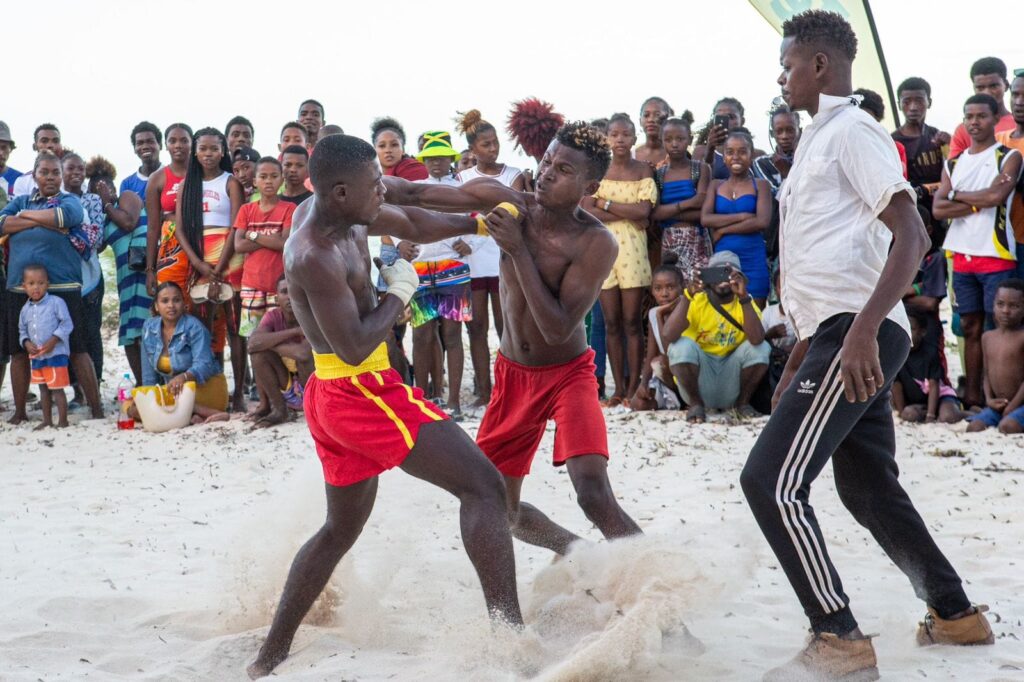
Where to Watch Moraingy
For an authentic experience, visit La Banane in Dzamandzar (Djamandjary) on Nosy Be around 4:00 PM. There, local performers demonstrate traditional Moraingy techniques, where every strike and movement showcases the agility and skill of the fighters. In Antsiranana and Nosy Be, Moraingy is practiced as a lively celebration of Malagasy culture, accompanied by traditional music such as hiragasy and local dances.
Cultural Significance
Moraingy symbolizes fihavanana, Malagasy solidarity, and community spirit. The fighters, called fagnorolahy, engage in intense but regulated combat, with rules prohibiting attacks on vital points or unsportsmanlike conduct. The sport is often featured during major festivals, public holidays, and community events, highlighting the traditions and social values of northern Madagascar, known as Tavaratra.
Experience Moraingy Yourself
Witnessing a Moraingy fight provides a direct connection to Malagasy culture and history. Whether you are a martial arts enthusiast or a lover of traditional customs, attending these performances in Nosy Be or Antsiranana is an unforgettable way to experience the sport’s energy and historical significance.
Photo credit : Mintour Madagascar