
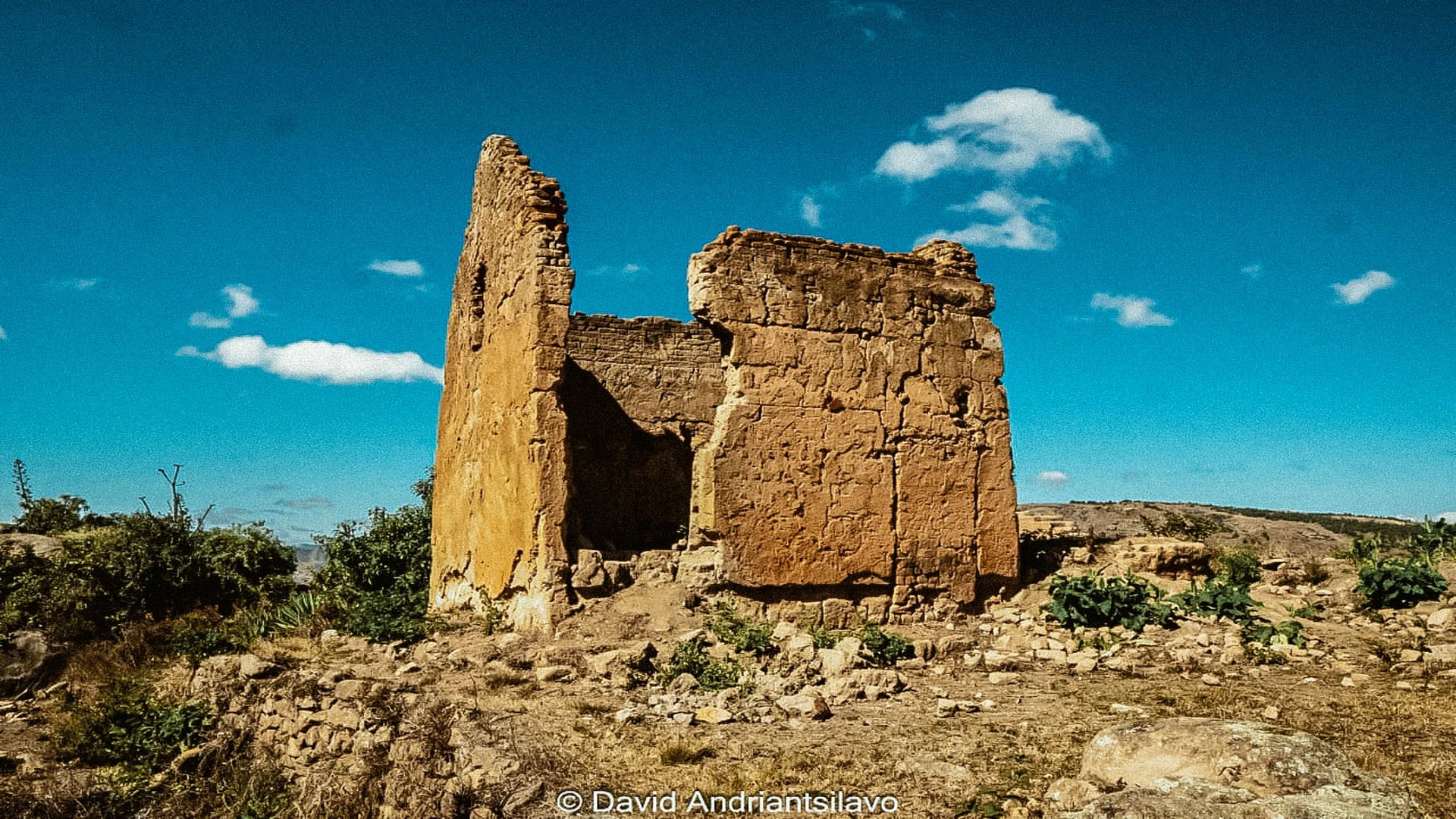
In Madagascar, you are not defined by what you own or what you do. You are defined by your fanahy.
There are certain words you encounter on the road that do more than name a thing. They offer a key to an entire worldview, a way of seeing that shifts your own perspective. In Madagascar, one of those words is fanahy. The simple translation is “spirit” or “soul,” but like so many things on this island, the simple translation misses the point entirely.
Unlike the Western concept of a soul, often tied to religion or an afterlife, fanahy is a more grounded, present-day notion. It is the substance of a person’s character, their inner disposition, their moral conscience. It is the faculty of thought and reflection that governs how one behaves. When we travel, we are often focused on the external—the landscapes, the wildlife, the itinerary. The idea of fanahy invites us to consider the internal landscape, both our own and that of the people we meet.
The Spirit That Makes the Person
There is a common saying in Malagasy: Fanahy no maha-olona. “It is the spirit that makes the person.” This isn’t just a proverb; it’s a foundational principle. It suggests that our humanity is not a given, but something cultivated through conscience, integrity, and our way of being in the world. It is the invisible architecture of social life here, influencing everything from hospitality to negotiation. To have a “good” fanahy is the highest compliment.
This is expressed in another common phrase, olona tsara fanahy. It describes someone of “good spirit”—a person who is kind, benevolent, and well-disposed toward others. It’s a quality you feel before you can name it. You sense it in the guide who pauses not because the schedule demands it, but because he sees you need a moment of quiet. You recognize it in the host who shares a story that illuminates a small detail of her village, connecting you to the place in a way no guidebook could. It is a currency of character, valued above all else.
“Ny fanahy no olona. The spirit is what makes the human being.”
Traveling with Awareness
Understanding fanahy doesn’t require fluency in Malagasy. It requires a shift in attention. It means looking beyond the transaction of a journey and seeing the human connection. It’s about recognizing that the quiet dignity and reserve you may encounter are not signs of distance, but expressions of a culture that places immense weight on inner character and thoughtful conduct. The word itself is flexible, encompassing spirit, conscience, and temperament all at once.
For the traveler, it marks the difference between being a tourist and being a guest — shaping how you move through the country, how you interact with your guides, and what you take away from your encounters. You begin to see that the real journey is not just about charting a course across the island’s red earth, but about navigating the subtle, meaningful currents of human character. You start to look for the tsara fanahy, the good spirit, in others and, perhaps, to cultivate it more consciously in yourself.
Madagascar’s landscapes are immense, its wildlife is without parallel, but the enduring texture of a journey here is woven from these human threads. The country doesn’t just show you a different world; it offers a different way to measure a person’s worth. And that is a perspective that stays with you long after you’ve returned home.
Explore the Malagasy Ethos
A journey through Madagascar is an encounter with a different way of being. Let us help you navigate it.