
Mikea: In the Realm of Nomads and Ancient Kings
Here, in the deep southwest of Madagascar, the land keeps its own counsel. This is Mikea, a vast and cryptic wilderness of thorn and sand, where the clock is measured not in hours, but in the slow, patient growth of baobabs and the ancient rhythms of its elusive human guardians.
The first light arrives not as a flood, but as a fine, silvered dust, catching the upper branches of the octopus trees and illuminating the ochre sand. The air is still and carries the scent of dry earth and sun-baked resin. This is not the humid, riotous green of the island’s eastern rainforests; it is a landscape of profound subtlety and silence, a spiny desert that cedes its secrets reluctantly. To enter the Mikea forest is to step into a world apart, a biocultural sanctuary where the line between myth and biology blurs, and where one of Africa’s last nomadic peoples continues to live in quiet symbiosis with an ecosystem found nowhere else on Earth.
This journey is not for the passive observer. It is an immersion, a rare invitation to understand a place on its own terms, guided by the whispers of the wind through the thorns and the soft footfalls of those who call this formidable terrain home. It is a slow, deliberate exploration of one of the planet’s most singular and least understood territories.
The Living Labyrinth
To walk through Mikea is to navigate a masterpiece of adaptation. This is the realm of the spiny forest, a surrealist’s garden where the Didiereaceae family of plants—endemic to this corner of the world—rise like thorny columns and candelabras toward an unforgiving sun. Their strange, leafless architecture creates a landscape that feels both primal and otherworldly. Threading through this formidable maze are the giants: the magnificent, water-swollen trunks of Grandidier’s baobabs, their smooth, gray bark a stoic contrast to the aggressive flora surrounding them. This is a forest that demands your full attention, a botanical kingdom where every plant tells a story of survival against the odds.
A Cryptic Kingdom of Wildlife
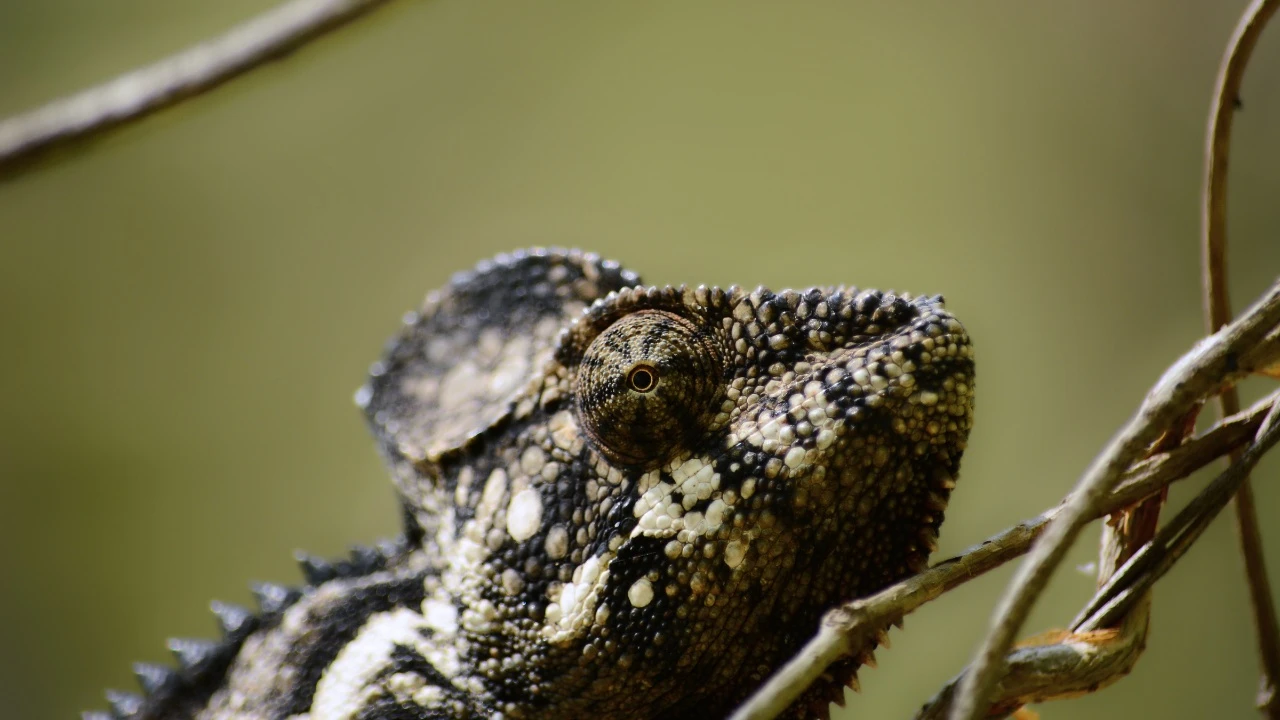
The fauna of Mikea is as secretive as the forest itself. While the charismatic Verreaux’s sifaka may drift like white ghosts through the canopy by day, the true prize of Mikea reveals itself only after dusk. This is the exclusive domain of the Mikea sportive lemur, Lepilemur mikea, a nocturnal primate so perfectly adapted to this specific habitat that it was only described by science in 2006. Sighting this creature, with its oversized eyes and deliberate movements, is a privilege reserved for the patient. A night walk here, guided by an expert tracker, is a lesson in listening—for the rustle of a tenrec in the leaf litter or the soft call of a scops owl.
Walking with the First People
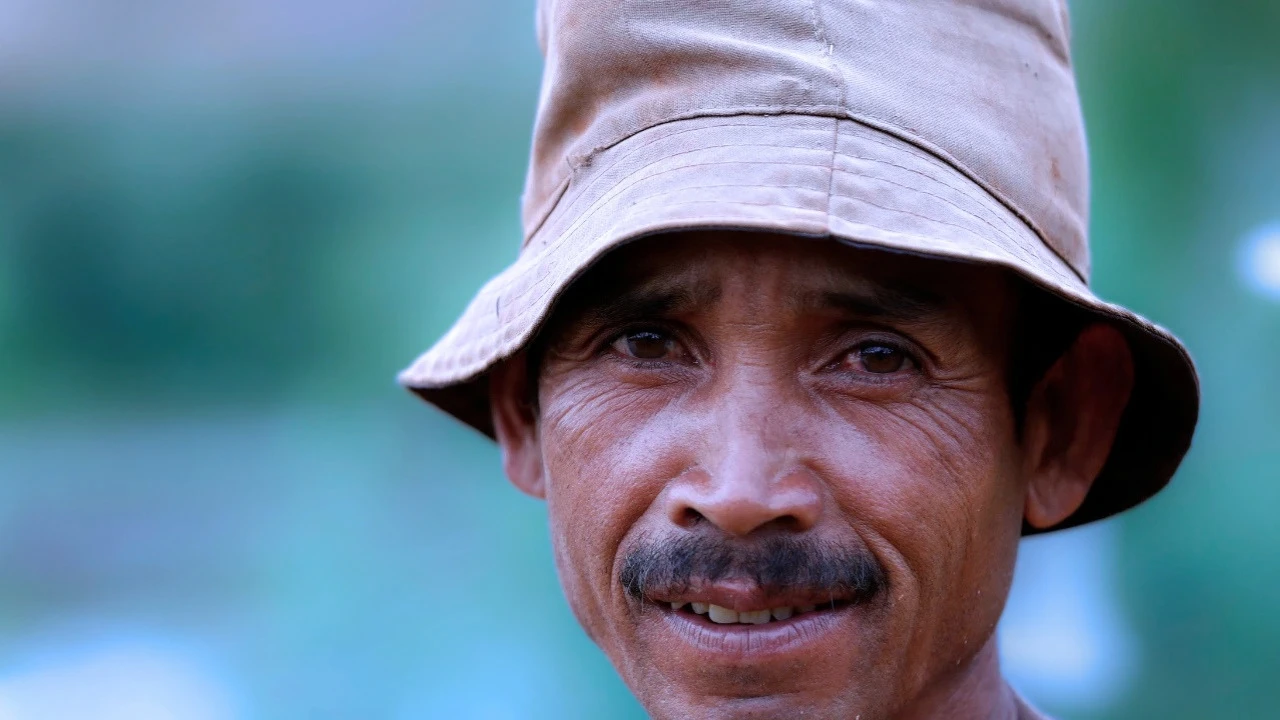
The soul of this place is inextricably linked to the Mikea people, the semi-nomadic hunter-gatherers for whom the park is named. A guided trek alongside them is the defining experience of any visit, an honor that transcends conventional tourism. This is not a performance, but a quiet, respectful sharing of ancestral knowledge. You will learn to see the forest through their eyes: where to find water hidden in the roots of a tuber, how to read the subtle language of tracks in the sand, and which plants provide medicine and sustenance. It is a profound and humbling encounter with a deep, intuitive ecology that modern life has all but forgotten.
From Thorny Heart to Turquoise Shore
The final revelation of Mikea is its unexpected coastline. After days spent in the arid, enclosed world of the spiny forest, the trail can emerge suddenly onto a secluded cove. Here, the Mozambique Channel unfolds in shades of impossible turquoise, its waters lapping at a shore of fine white sand, completely untouched. This dramatic transition from the demanding interior to the serene, empty coast is a powerful denouement. It is a moment of elemental reward—a private Eden earned through deep immersion, where the only footprints on the beach will be your own.
A Legacy of Thorns and Trust
Mikea National Park is more than a repository of rare species; it is one of the world’s last great biocultural landscapes. Its preservation is a two-fold challenge: to protect the fragile, endemic-rich spiny forest from deforestation and to honor and support the cultural integrity of the Mikea people, whose identity is inseparable from this land. For the conservation-minded traveler, a visit here is a direct investment in a model of conservation that places indigenous wisdom at its core. Protecting this forest means safeguarding not just a unique ecosystem, but a unique way of being human.
Places like this are rarely visited — they are carefully reached. Through Vivy Travel Madagascar, a private journey to Mikea can be seamlessly woven into a bespoke Madagascar itinerary.
Where to Stay
Regional Context
PRACTICAL INTELLIGENCE
Park Category: National Park
Key Wildlife Species: Mikea Sportive Lemur (Lepilemur mikea), Verreaux’s Sifaka, Subdesert Mesite, Grandidier’s Baobab (Adansonia grandidieri)
Best Season to Visit: May through October, during the dry season for cooler temperatures and optimal accessibility.
Medical Resources: Proximate medical facilities are extremely limited. Comprehensive travel insurance with emergency medical evacuation coverage is mandatory. Vivy Travel Madagascar ensures all expeditions are equipped with satellite communication and expedition-grade medical kits.
Access & Transfer Note: Access is via private 4×4 transfer from the coastal towns of Morombe or Toliara. For a more seamless and comfortable journey, a private charter aircraft to a nearby airstrip is recommended and can be arranged as part of a comprehensive itinerary.
Booking Recommendation: The bespoke nature of journeys into Mikea requires significant advance planning. We advise contacting your travel designer well in advance to orchestrate a seamless and respectful expedition.
The Quietest Journey
This is an expedition for the traveler who has seen the great migration in the Serengeti and tracked gorillas in the Virungas, and who now seeks something quieter, deeper, and infinitely more rare. It is for the individual who understands that true luxury is not about opulence, but about access—access to solitude, to authenticity, and to a world that remains profoundly untouched. To journey through Mikea is to do more than visit a park; it is to bear witness to an ancient conversation between a people and their land, and to leave with the quiet understanding that the world’s most valuable treasures are those hidden in plain sight.
Searching for Something Wild?
Vivy Travel Madagascar curates private journeys through the island’s most extraordinary wilderness.
+261 34 46 326 00